Materials
MIT Engineers Use Machine Learning to Develop Ultra-Strong Aluminum Alloy for 3D Printing
Creating alloys means combining two or more metals to achieve new and improved properties, such as greater strength or resistance to corrosion. Traditionally, researchers test countless combinations to find the perfect formula, a process that can take months or even…
- 3 min read
- Materials
- Six more stories

Creating alloys means combining two or more metals to achieve new and improved properties, such as greater strength or resistance to corrosion. Traditionally, researchers test countless combinations to find the perfect formula, a process that can take months or even years. Simulations can speed things up, but a team of MIT engineers has found an even faster route. In a recent study, they used machine learning to identify a lightweight, 3D-printable aluminum alloy that is five times stronger than conventionally manufactured aluminum. Instead of running over a million simulations, their model narrowed the field to just 40, leading them straight to the ideal mix.
When the team printed the aluminum alloy, it performed as predicted. It was as strong as the most robust aluminum alloys produced today through traditional casting methods. This new material could be used to create strong, lightweight, and heat-resistant components, like fan blades in jet engines. “If we can use lighter, high-strength material, this would save a considerable amount of energy for the transportation industry,” Mohadeseh Taheri-Mousavi, who led the work as a postdoc at MIT and is now an assistant professor at Carnegie Mellon University, said.

The alloy design concept (Credit: Taheri-Mousavi et al.)
The Role of Machine Learning
The research came out of a course that Taheri-Mousavi took at MIT in 2020, where the students had to use computational simulations to design high-performance aluminum alloys. One of the keys to achieving a strong alloy is having its microscopic constituents, its “precipitates,” be as small and as densely packed as possible. So, the class methodically combined aluminum with various types and concentrations of elements to simulate and predict the resulting alloy’s strength. However, the tests failed to deliver a stronger result, leading Taheri-Mousavi to wonder if machine learning could do better.
More from the desk
Six other notes from the rest of the bench.
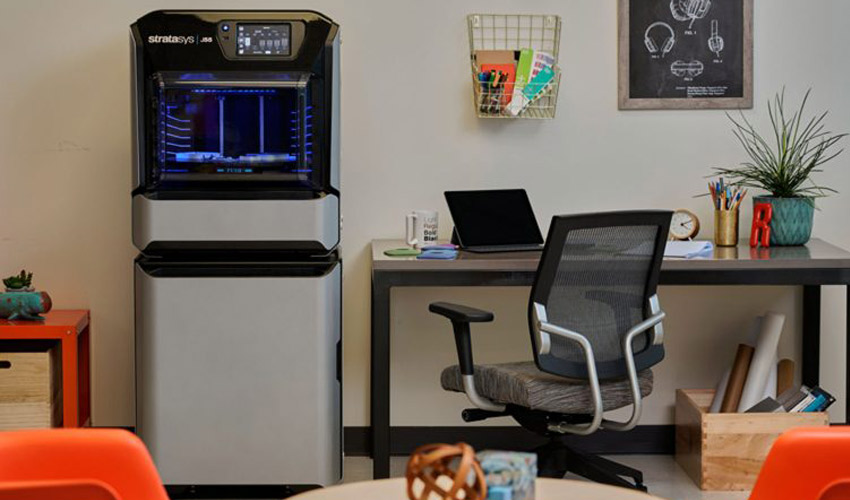 PrintersStratasys J55: A PolyJet desktop 3D printer that offers thousands of coloursThe manufacturer Stratasys has just launched its new PolyJet machine: the J55 is a compact solution, suitable for all designers who want to bring their designs to life. The printer is smaller but retains its multi-material and multi-colour capabilities: it…
 News3D Printing Job Market Trends in 2020While many industries were heavily impacted by the health crisis during 2020, the field of additive manufacturing continued to grow. Companies are more confident in the technology and continue to invest in order to continue their development. But that’s not…
 GuidesPrintSyst.ai proprietary AI engine enables 3D printing with confidencePrintSyst.ai is a startup that has focused over the last couple of years on developing artificial intelligence to solve the significant cost of the pre-printing processes in additive manufacturing. Today, analyzing parts before 3D printing is a crucial step that…
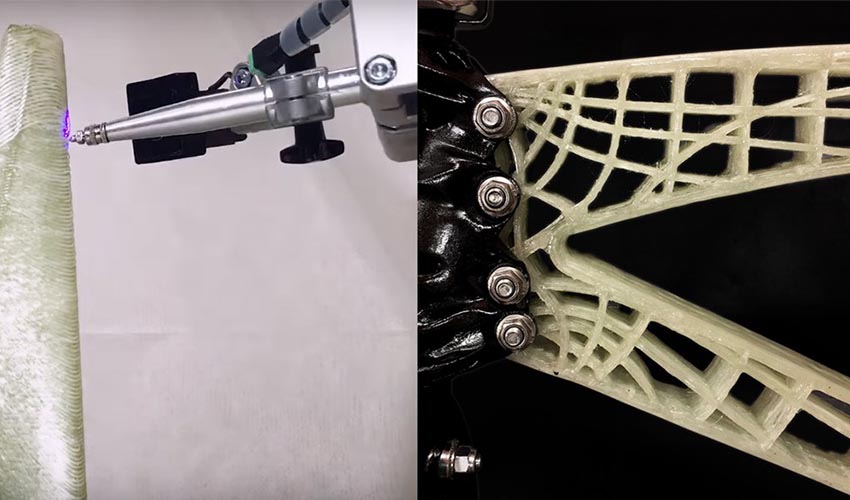 Guidesmoi: redefining manufacturing by 3D printing compositesComposites manufacturing is a form of additive manufacturing that enables more structural efficiency for the finished part. Instead of creating a part layer by layer on a flat surface as you would with a 3D printer, this method manufactures in…
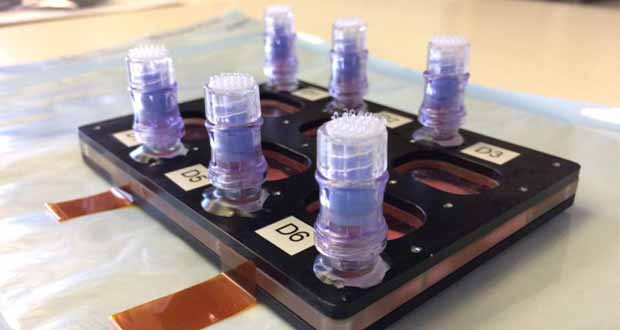 Applications3D Bioprinting in space could accelerate cancer researchAt the University of Colorado in Boulder, a research center affiliated with NASA is using 3D bioprinting to develop more realistic cancer cell structures aboard the International Space Station. Under a research project called Magnetic 3D Cell Culturing, Their hopes…
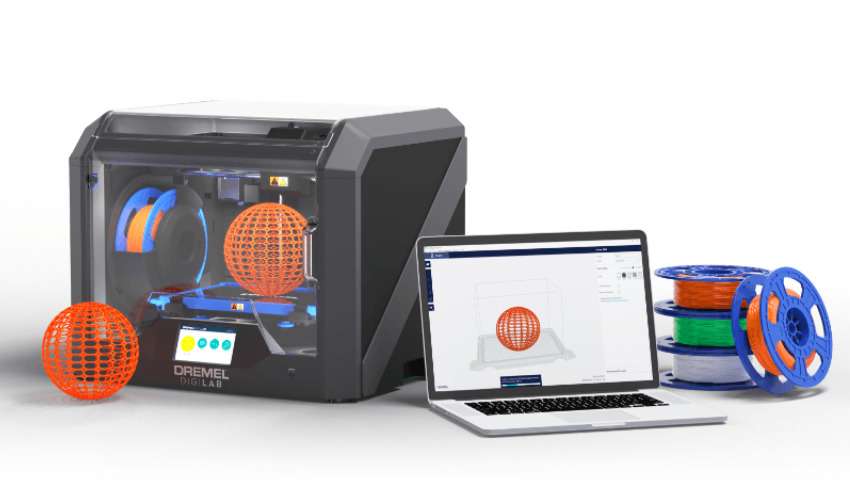 PrintersWhich Dremel 3D Printers Are Currently On the Market?In 2014, Dremel Manufacturing Company moved into 3D printing market with their offshoot, Dremel DigiLab. In line with their focus to shape the new generation of pioneers, their motivation, according to the website, centers around using their products and machines…