Guides
PrintSyst.ai proprietary AI engine enables 3D printing with confidence
PrintSyst.ai is a startup that has focused over the last couple of years on developing artificial intelligence to solve the significant cost of the pre-printing processes in additive manufacturing. Today, analyzing parts before 3D printing is a crucial step that…
- 3 min read
- Guides
- Six more stories
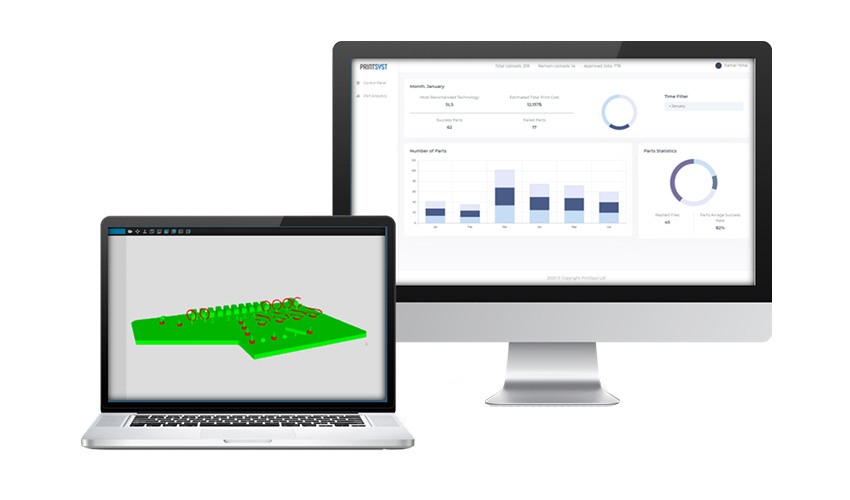
PrintSyst.ai is a startup that has focused over the last couple of years on developing artificial intelligence to solve the significant cost of the pre-printing processes in additive manufacturing. Today, analyzing parts before 3D printing is a crucial step that requires a lot of time, and that bears significant risks to company’s ability to meet the desired lead times and regulations. Moreover, this manual process results in a high average rate of parts that turn out dysfunctional. Recently, PrintSyst.ai announced the launch of its next generation proprietary AI engine, the 3DP AI- PerfecterTM. This tool will enable industries such as aerospace, defense and automotive to fully leverage the potential of 3D printing by significantly increasing printed parts’ consistency and reliability while reducing labor, time and cost. To learn more we spoke to Itamar Yona, CEO and Co-Founder of PrintSyst.ai!
3DN: Can you present yourself and tell us about your relationship with 3D printing?
Itamar Yona is the Co-Founder and CEO of PrintSyst.ai, which enables 3D printing with confidence using an advanced AI engine. Itamar is an accomplished 3D printing expert and mentor, who combines his passion for 3D printing with strong technological background. Itamar is a third generation in the printing business and has a B.Sc degree in Electrical Engineering.

Itamar Yona
3DN: Why did you decide to create PrintSyst.ai?
PrintSyst.ai grew from a deep understanding of the problems and pain points that 3D service bureaus constantly face, and especially as they print industrial-grade, sophisticated parts. My brother and I are deeply rooted in traditional printing; we began offering 3D printing as a service, we received a lot of jobs and even more questions. These questions led to answers that formed a bridge to understanding additive manufacturing and helped clients to make the most of the new technology.
More from the desk
Six other notes from the rest of the bench.
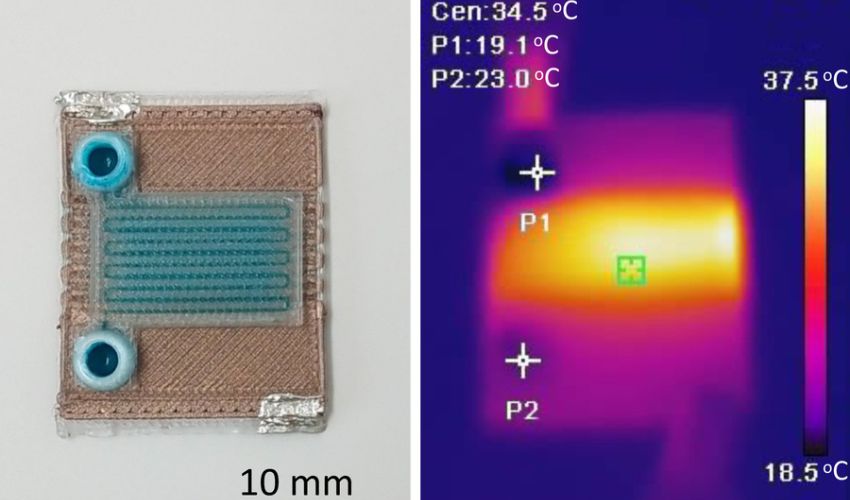 ApplicationsMIT Researchers Use 3D Printing to Create a Self-Heating Microfluidic DeviceYou don’t have to be an engineer with extensive technical knowledge to come into contact with microfluidics and their applications. The aim of microfluidic systems is to control small quantities of liquids in tiny networks and channels, and to discuss…
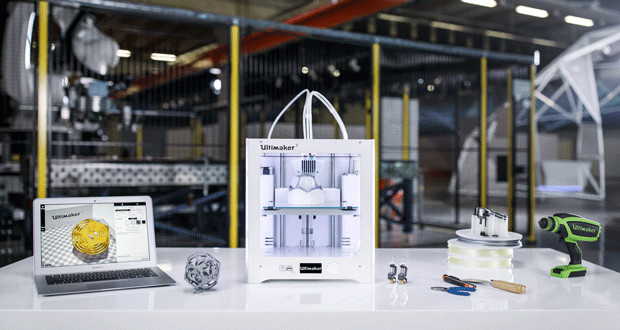 News3Dnatives Lab: Testing the Ultimaker 3Unveiled to the surprise of many last October, the Ultimaker 3 3D printer is the latest printer from the Dutch manufacturers, Ultimaker. Already well known for being one of the most popular brands of desktop 3D printers, the brand has…
 ApplicationsInfographic: 3D Printing in the Maritime IndustryA few weeks ago, we took a look at the applications of additive manufacturing in the railway industry, and now it is time to take a closer look at the impact of 3D technologies on the maritime sector. This sector…
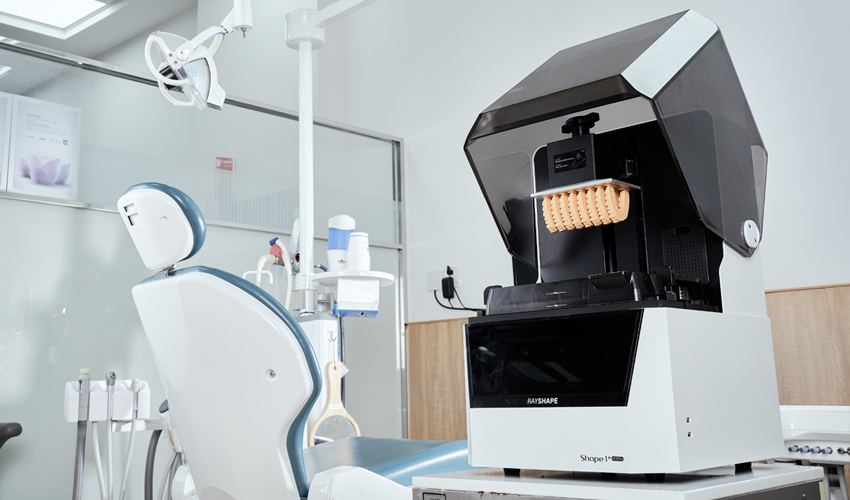 NewsRAYSHAPE Arrives in Europe, Expanding its 3D Printer Partners and ResellersAdditive manufacturing is an increasingly widespread technology worldwide and one of the continents experiencing considerable growth is Europe. The greatest European demand for 3D printing comes from small and medium-sized companies looking not only for prototyping, but also for
 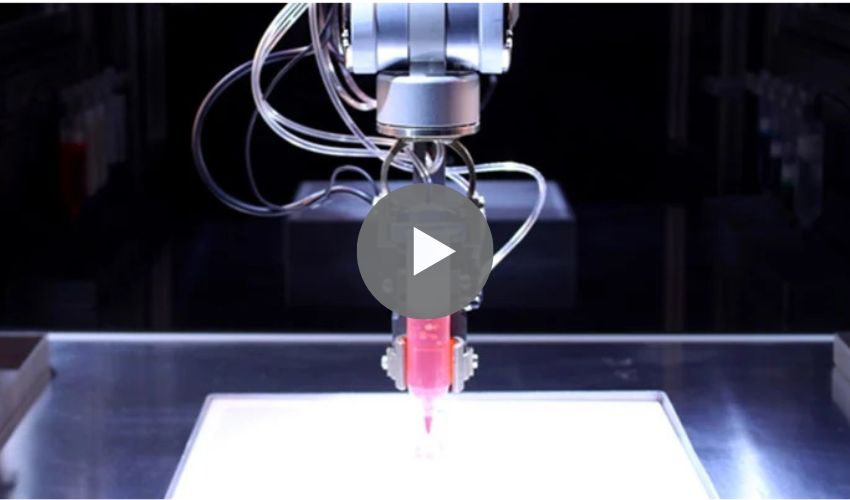 NewsTop 5 Videos: The Future of Bioprinting in MedicineIt’s the special time of the week again and you know what that means! Like every Sunday, we present you with what’s new and exciting throughout the world of 3D printing. We start off with a video that takes a…
 NewsBANYAN ECO WALL, fully 3D printed self-watering wallThe BANYAN ECO WALL is a fully 3D printed irrigated green wall, featuring an embedded drainage system, which also showcases bionic design. It is the work of NOWLAB using BigRep’s large-format 3D printers. This prototype is a perfect example of…