Applications
3D Bioprinting in space could accelerate cancer research
At the University of Colorado in Boulder, a research center affiliated with NASA is using 3D bioprinting to develop more realistic cancer cell structures aboard the International Space Station. Under a research project called Magnetic 3D Cell Culturing, Their hopes…
- 3 min read
- Applications
- Six more stories
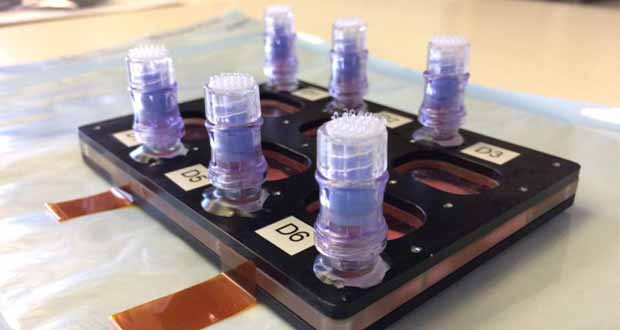
At the University of Colorado in Boulder, a research center affiliated with NASA is using 3D bioprinting to develop more realistic cancer cell structures aboard the International Space Station. Under a research project called Magnetic 3D Cell Culturing, Their hopes are that this will ultimately help them understand how these cells develop and form in the body, thus advancing research on cancer treatment.
Studies conducted by researchers today on cancer cells are harder to understand and more difficult to conduct, because of the form of the cancer cells that they study. In the human body, cancer cells develop into a complex, spherical like structure. In the in vitro labs where cancer studies are conducted, the cells they study do not share this same shape characteristic as the cells are in a layer form.
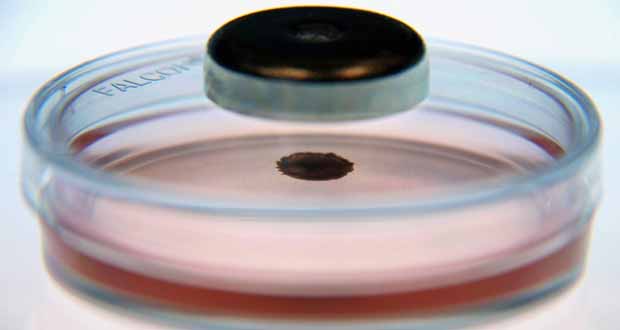
An in vitro cell culture
Researchers at the BioServe Space Technologies Center believe that they have found a solution to this, with a new method called Magnetic 3D Cell Culturing. Through this method, researchers believe that they will be able to create cancer cell structures that are more similar to those found in the human body, by using the microgravity of the Space Station to effectively control cell movements through magnetism.
More from the desk
Six other notes from the rest of the bench.
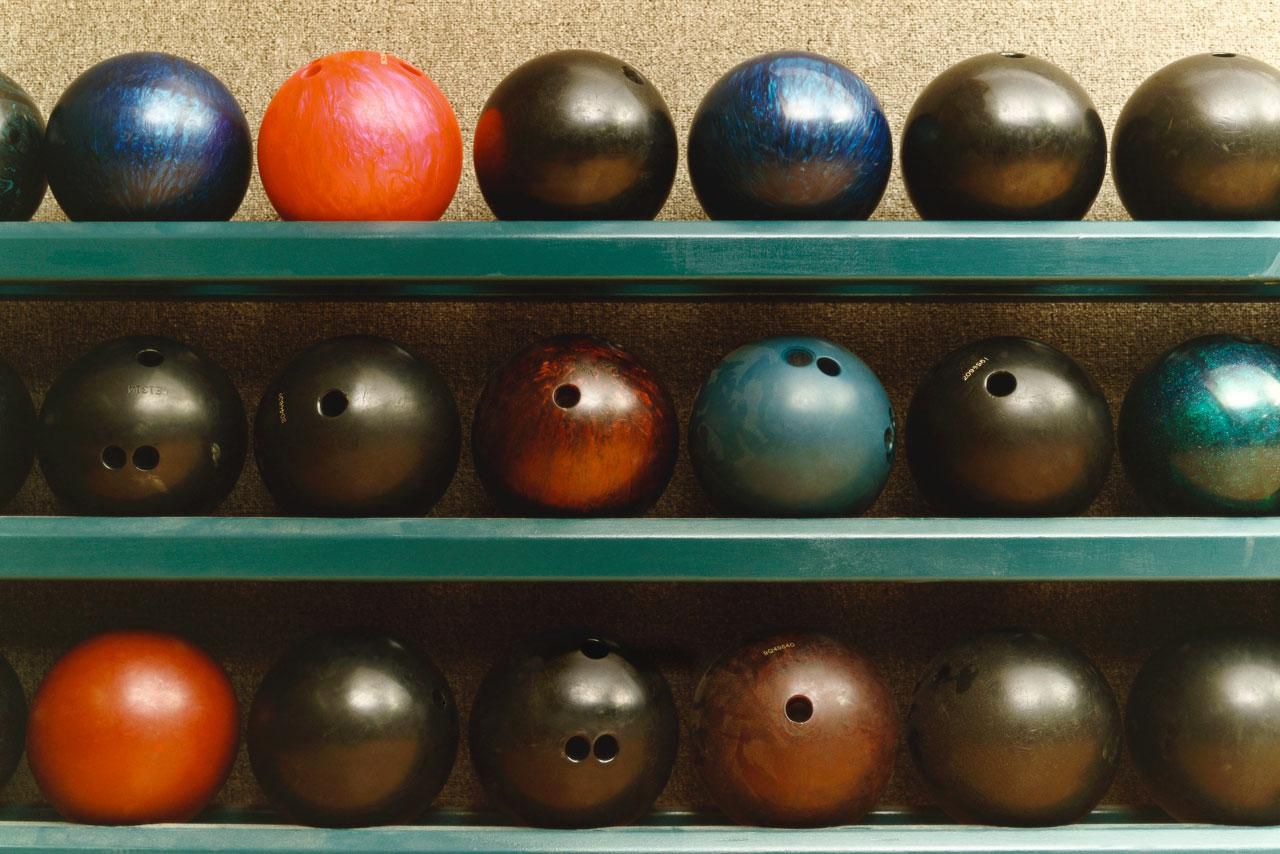 MaterialsGet bowled over by these 3D-printed bowling ballsStart-up Freshmade 3D from Ohio have recently announced that they have created a material strong enough to create 3D-printed bowling balls from. The material, called AMClad, is an “isotropic Engineered Sand Composite (ESC)”, that they say is “ideal for 3D&hellip
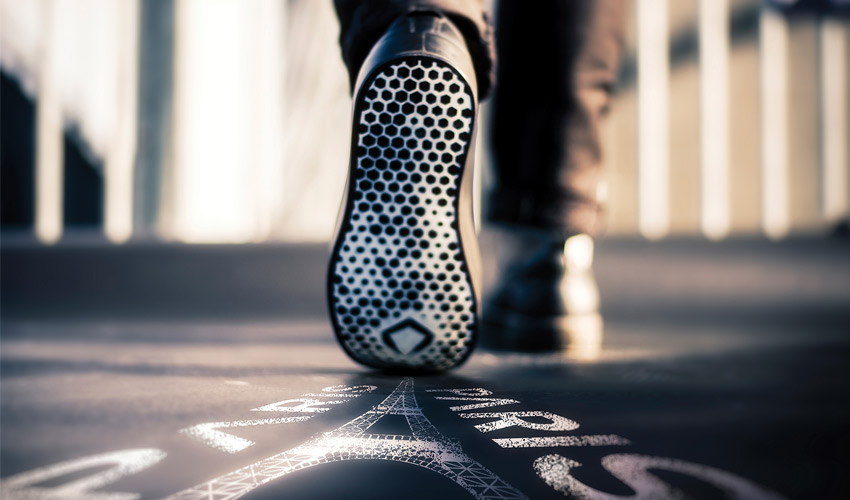 NewsCustomised and 3D Printed Insoles from ECCOThe Danish shoe manufacturer, ECCO showcased its customised shoes at Bon Marché Rive Gauche in Paris. For the first time in Europe, visitors will be able to test QUANT-U, a project in collaboration with Dassault Systèmes, which aims to create…
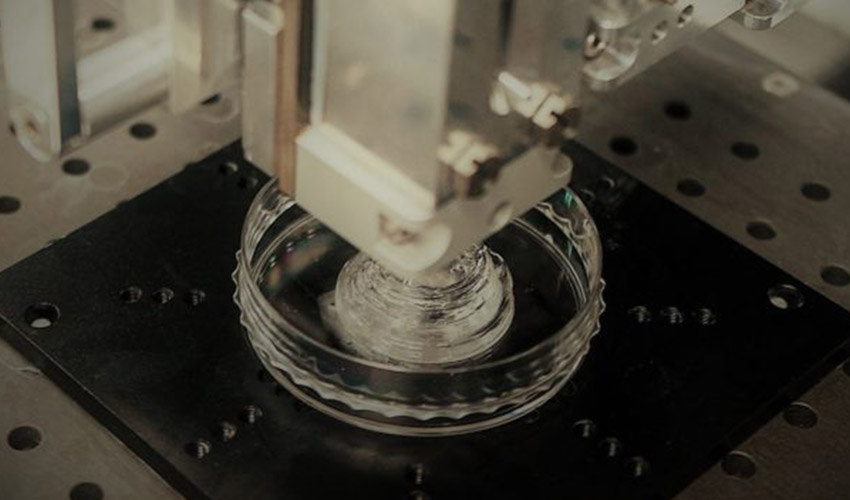 ApplicationsBioprinted epithelium model could accelerate COVID-19 vaccine testingDuring the current COVID-19 pandemic, many 3D printing companies launched initiatives to curb the spread of the virus. Many have put their solutions at the service of medical staff and patients by creating 3D printed respirators, ventilators, and other medical…
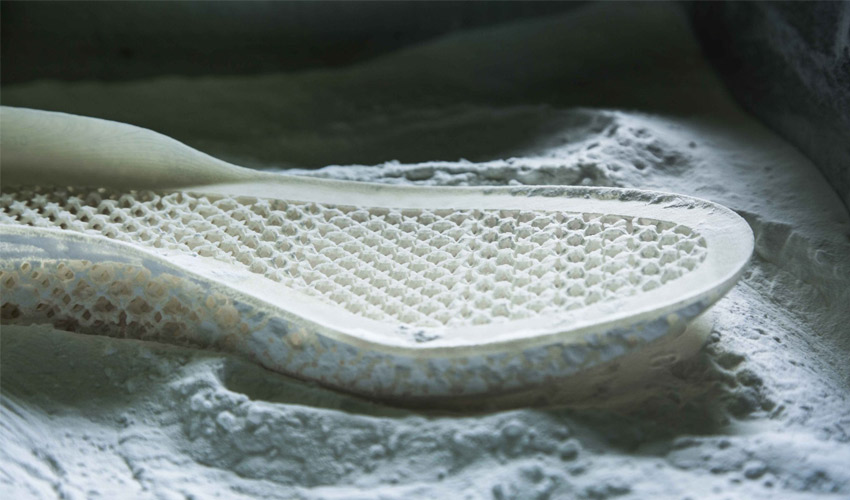 News3D printed footwear, a market in full growth?The research firm SmarTech Analysis, specialised in additive manufacturing, recently published its latest report on the role of 3D technologies in the footwear sector. The use of additive manufacturing in this industry is expected to generate more than $6.5 billion…
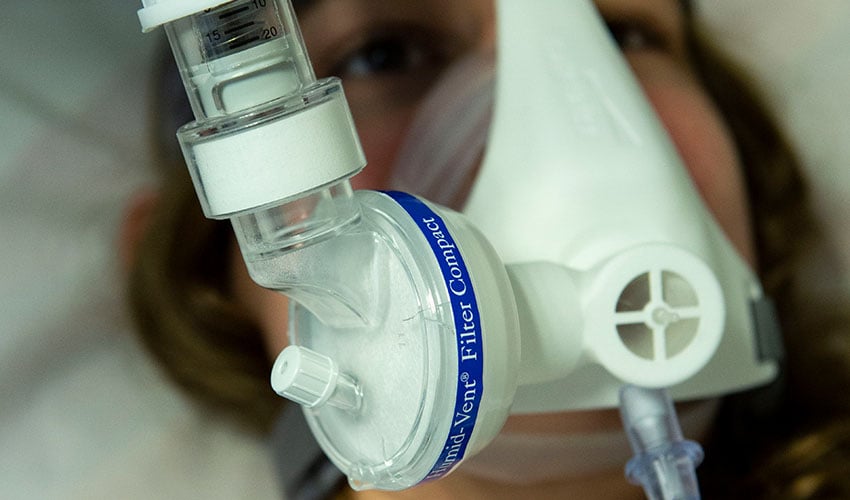 NewsCOVID-19: new 3D printed device could address shortage of ventilatorsThe Belgian company Materialise has developed a new solution to cope with COVID-19, and that solution is the Materialise NIP Connector. It converts standard equipment available in most hospitals into a non-invasive PEEP mask (NIP) that can be connected to…
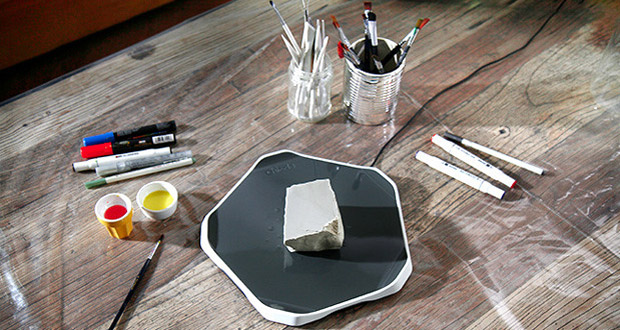 PrintersChizzle, the new 3D scanning tool with a modeling surfaceChizzle is a new tool that makes it easier than ever to create objects from clay, thanks to a connected modeling surface and a 3D scanner. The startup has recently started its crowdfunding campaign, hoping to give a solution to…