News
Preserving Palm Leaf Wisdom With 3D Printing
As recent examples have shown, 3D printing and scanning technologies are becoming widespread and essential tools for preserving cultural works and items of historical significance. Among many of the benefits afforded by 3D printing, the inexpensive means to print a…
- 3 min read
- News
- Six more stories
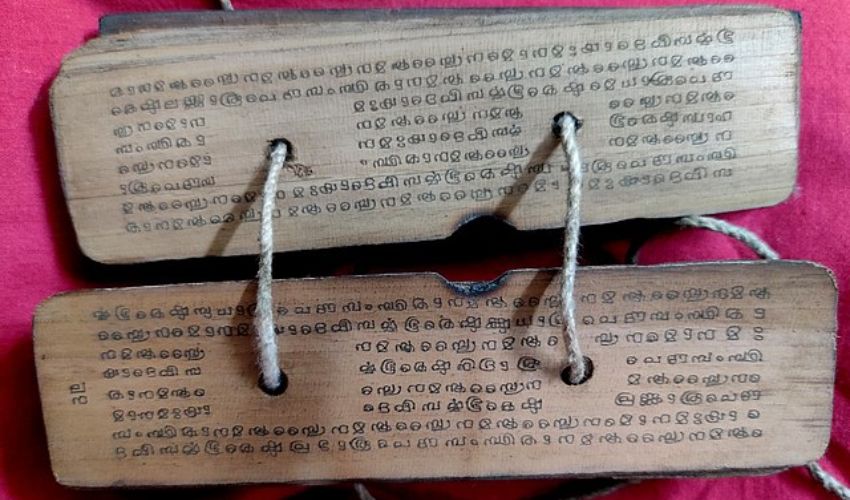
As recent examples have shown, 3D printing and scanning technologies are becoming widespread and essential tools for preserving cultural works and items of historical significance. Among many of the benefits afforded by 3D printing, the inexpensive means to print a durable facsimile of an object captured in great detail with the help of 3D scans has been the key to ensuring the legacy of many historical works and pieces of cultural and world heritage. Now news from India has brought another collection of historic works into the 21st century with the use of 3D printing. The Tara Prakashana nonprofit trust based in Bengaluru has recently launched a pilot program that aims to preserve the knowledge of over 3,300 ancient palm leaf manuscripts through 3D printing replica palm leaves which are more resistant to time and the elements.
The collection of palm leaf manuscripts cared for by the Tara Prakashana organization largely concerns Vedic literature and teachings, which can date back centuries. Vedicism is one of the ancient religions of the subcontinent and stands prominent as one of the major influences which shaped the development of early Hinduism. The Tara Prakashana trust, established in 2006 by Dr. P.R. Mukund, pursues the mission of preserving and passing along knowledge from ancient Vedic sources, whose religious rituals and philosophical teachings can still be found today.
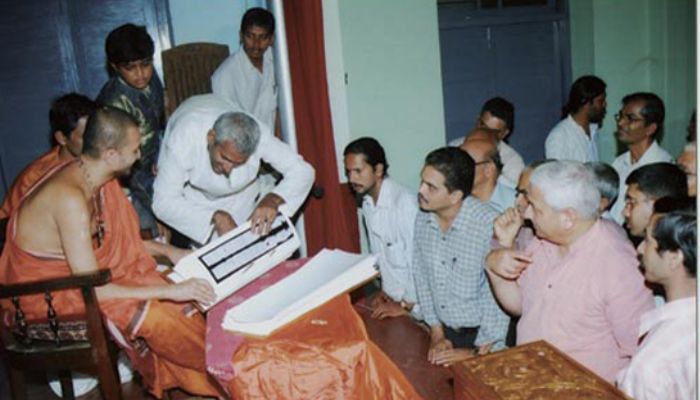
The preservation of ancient palm leaf manuscripts is the goal of Dr. Mukund and Tara Prakashana (Photo credits: Rochester Institute of Technology)
Dr. Mukund, who founded the nonprofit organization is a professor emeritus at the Rochester Institute of Technology in New York and has dedicated many years to the preservation of ancient manuscripts, beginning in 2005. Indeed, Dr. Mukund has previously been in the news for his early work with Tara Prakashana, when the organization began utilizing digital imaging and scanning in order to begin archiving and preserving Vedic and Hindu writings on palm leaves. The use of modern technology allowed for the recreation and enhancement of the faded writing on the aging texts.
More from the desk
Six other notes from the rest of the bench.
 GuidesMeeting the creators of the 3D printed floating house, PRVOKA few weeks ago, we presented the first house with 3D printed walls erected in the Czech Republic, not just any house as it is floating! As you probably know, 3D printed houses are more and more a reality that…
 NewsLotus House; the 3D printed solar houseAs part of the Solar Decathlon China 2018 competition, students designed and built a 3D printed solar house called the Lotus House. The Chinese symbol of purity, the lotus flower, inspired this house designed to achieve optimum energy efficiency. The…
 NewsCoronavirus: which 3D printing events have been postponed?Events around additive manufacturing – trade fairs, conferences, meetups, maker faires – are important events for the sector allowing many players and users to exchange and discover the latest market trends and technologies. With the worldwide spread of the coronaviru
 ApplicationsImproving Cardiovascular Surgical Outcomes with 3D Printed GraftsWhat is the most dangerous disease in the world? Although most would point to cancer, it is actually heart disease that takes that role and even curing it can be deadly for sufferers of a variety of cardiovascular conditions. Thankfully,…
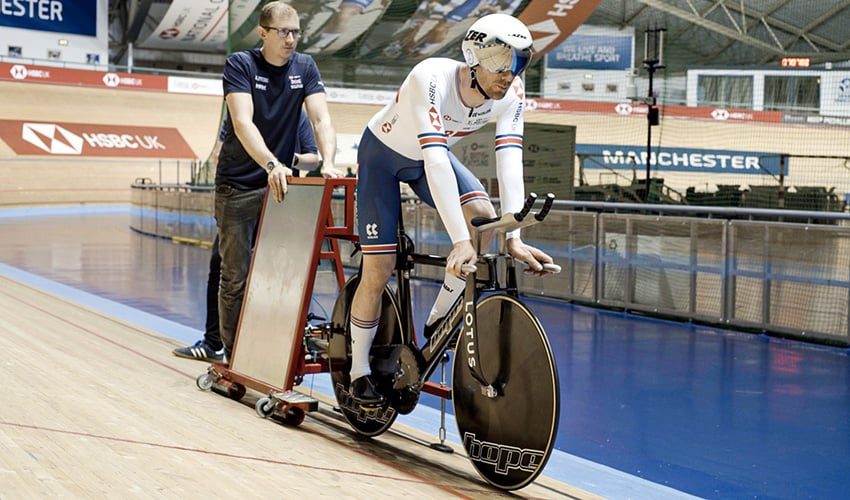 NewsRenishaw and British Cycling on Track for the 2024 Olympic GamesIn 2019, British Cycling, the cycling federation of Great Britain, turned to Renishaw, a metal 3D printing specialist to help design lightweight, high-performance parts for athletes’ equipment. With this collaboration, the goal was to create faster bikes for the track&helli
 NewsNicolas Cage Transforms into Dracula with 3D Printed Dentures for ‘Renfield’ MovieOne of the most awaited flicks to soon be coming to cinemas is “Renfield”, wherein Nicolas Cage is set to star as the legendary vampire Dracula. The supernatural comedy-horror will be retelling the classic novel from the perspective of an insane…