Guides
Meeting the creators of the 3D printed floating house, PRVOK
A few weeks ago, we presented the first house with 3D printed walls erected in the Czech Republic, not just any house as it is floating! As you probably know, 3D printed houses are more and more a reality that…
- 3 min read
- Guides
- Six more stories
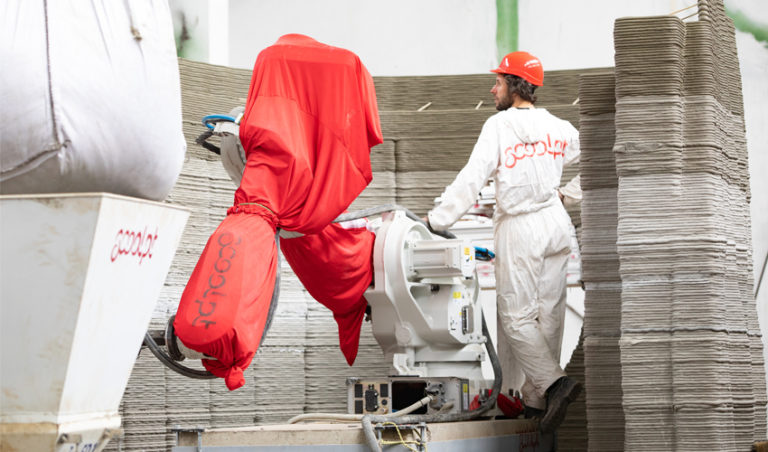
A few weeks ago, we presented the first house with 3D printed walls erected in the Czech Republic, not just any house as it is floating! As you probably know, 3D printed houses are more and more a reality that is changing the construction industry. The PRVOK project was created by the Scoolpt architectural firm in the Czech Republic and should be a revolution for the industry in this country. With an area of 43 square metres, the structure highlights the possibilities of large-scale additive manufacturing and the future of construction. To find out more about the project, we spoke to Jiří Vele, a member of the Scoolpt team.
3DN: Can you introduce yourself and your relationship with 3D printing?

My name is Jiří Vele and I am the engineer and architect behind the PRVOK project, as well as a member of the Scoolpt team. Two years ago I graduated from the Technical University of Prague with a Master’s degree in architecture. I was fascinated by FDM 3D printers during my studies, this technique being very useful when I needed prototypes of architectural models. I couldn’t afford to buy a printer, so I decided to build my own. For two years, I developed ten more printers and I now run the 3D printing center at the Faculty of Architecture. A year ago, I started using 3D concrete printing on a large scale.
3DN: Can you tell us more about PRVOK and the additive manufacturing technologies used in this project?
Prvok is the first 3D printed house in the Czech Republic. I hope that this project will show the advantages of large-scale 3D printing and its potential in the construction sector. To print the concrete, we use an industrial robot, a pump and a mixer. The computer reads the data, just like a traditional builder, and guides the nozzle to the target with millimetre precision. The concrete material, which we use to make the house, is specially adapted for 3D printing and took 2 years to develop. This concrete contains additives such as accelerators, plastic fibers and plasticizers, which make it more suitable for large format 3D printing.
More from the desk
Six other notes from the rest of the bench.
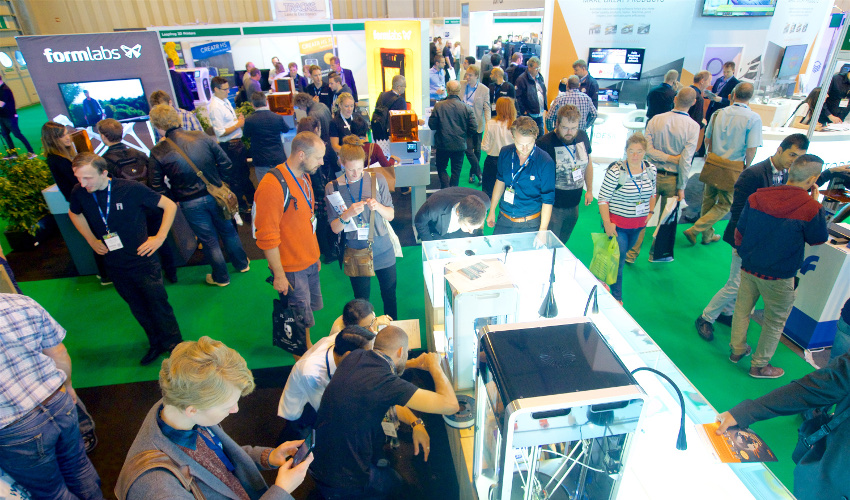 GuidesTCT Show 2017 Open their doors this September in BirminghamTCT Show is one of the largest 3D printing events in the world and will be taking place in Birmingham, England in only a couple weeks. This event is known for both wowing their visitors and bringing together some of…
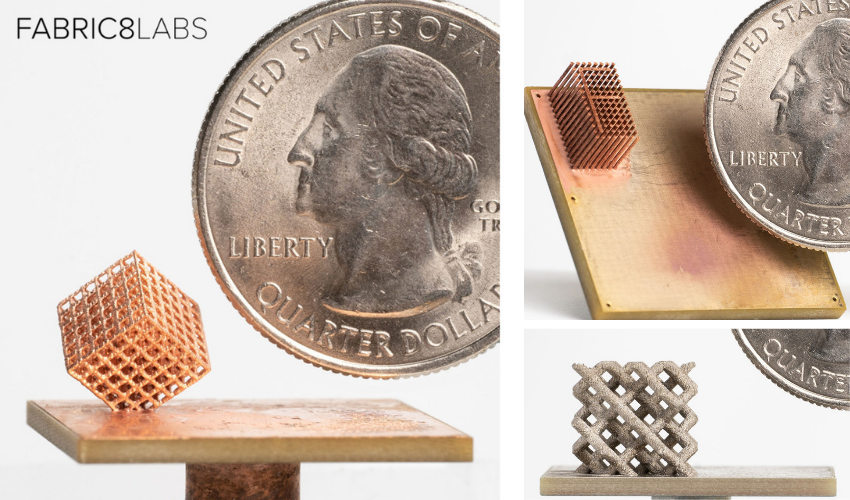 NewsFabric8Labs Raises $19.3M in Series A Funding and Aims to Commercialize Unique Metal TechnologyFabric8Labs, an additive manufacturing (AM) startup from San Diego, has announced the closing of a $19.3 million Series A financing round. The startup hopes that the money will help to accelerate commercialization of its proprietary AM process, allowing them to…
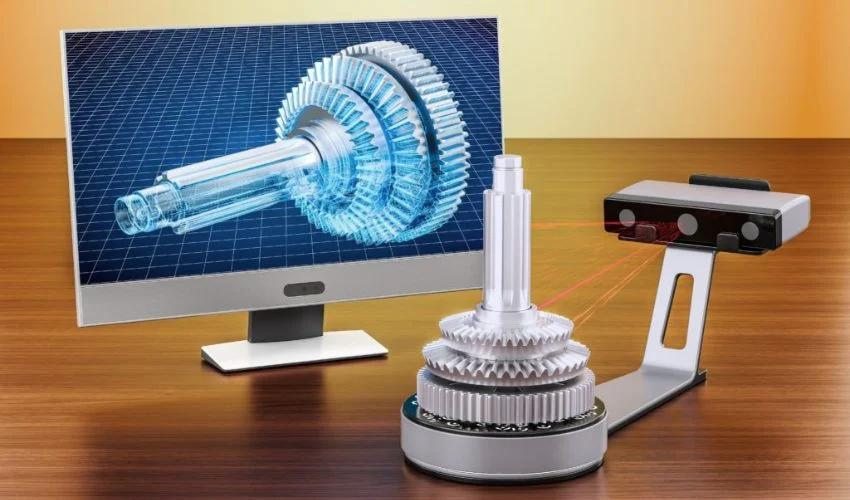 Printers10 Reasons Why 3D Scanning Is Useful for 3D Printing3D scanning is a non-contact, non-destructive process used to capture the shape and dimensions of real objects or environments. Utilizing lasers and cameras, this technology collects detailed data that can be transformed into high-precision 3D models for a variety of…
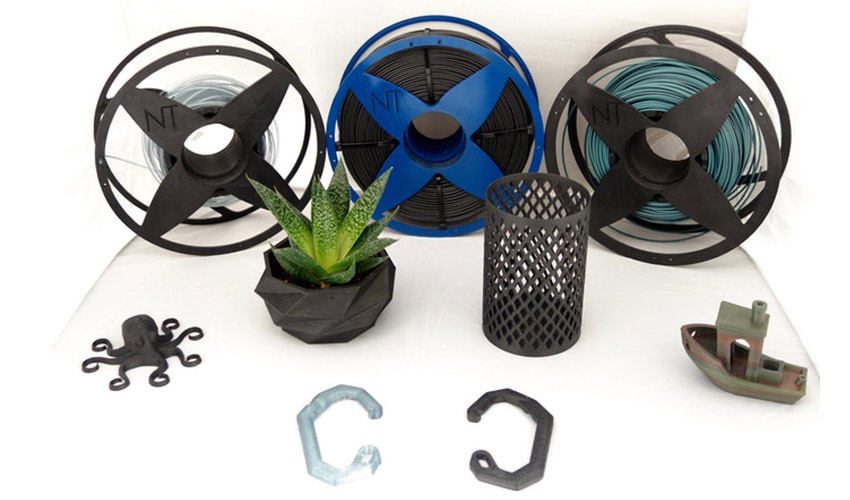 MaterialsNefilatek and its 100% recycled 3D printing filamentNefilatek is a young Canadian company that has just launched its range of 100% recycled 3D printing filaments. Founded in 2018 after a successful Kickstarter campaign, the startup aims to offer more environmentally friendly materials and make 3D printing a…
 Applications3D Printed Prosthetic Beak Saves Bird’s LifeAdditive manufacturing has already proven to be a valuable asset to the medical department on countless occasions. In some cases, its use can even help to save lives, like in the recent case of Crescent, a Great Indian Hornbill from…
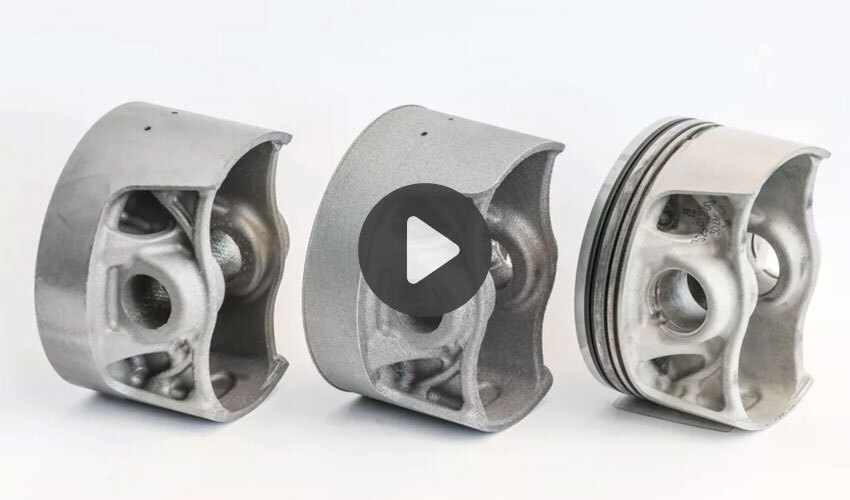 NewsTop 5 Videos: Porsche 3D prints pistonsThis week we found the top 5 videos about 3D printing and the way additive manufacturing is changing production. The technology has infiltrated many sectors, from medical to automotive – check our selection of the week to keep up with the innovations! If you enjoy these, you&hell