Materials
All You Need to Know About Polypropylene (PP) for 3D Printing
Today’s additive manufacturing sector is characterized by a wide variety of materials, from plastics and metals to ceramics and concrete. If we look at the family of polymers, the diversity is great, with many thermoplastics that are more or less…
- 3 min read
- Materials
- Six more stories
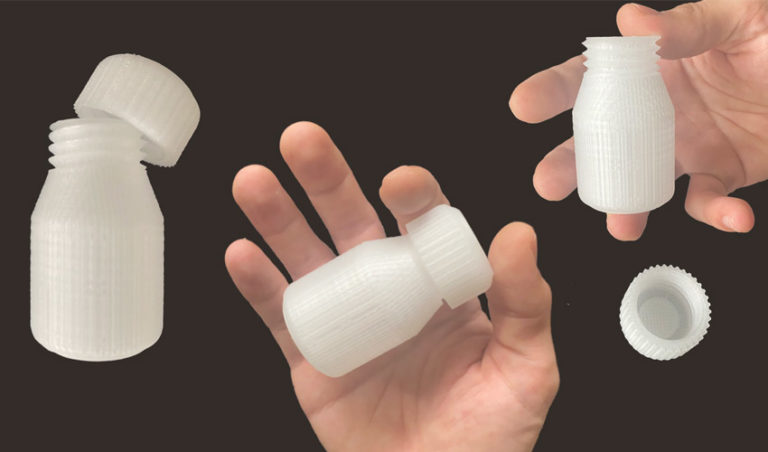
Today’s additive manufacturing sector is characterized by a wide variety of materials, from plastics and metals to ceramics and concrete. If we look at the family of polymers, the diversity is great, with many thermoplastics that are more or less easy to print. Among them is polypropylene (PP), a semi-crystalline material belonging to the family of polyolefins, also known as polyalkenes. Widely used in the plastic injection industry, it has a number of interesting characteristics for industrialists such as lightness, resistance to chemicals, to fatigue, and good electrical insulation. On the 3D printing market, however, it remains quite rare. Difficult to print, it requires rigorous control in its heat treatment and particular attention to adhesion, whether on a plate or between layers.
Polypropylene is a semi-crystalline thermoplastic, i.e. it has an ordered molecular structure with very precise melting points, unlike amorphous materials which soften gradually as the temperature rises. This structure influences its crystallinity and orientation. Didier Fonta, Director of Operations at Pollen AM, explains: “Polypropylene has very clear melting points and will be very demanding in terms of its transformation. This is why temperature fluctuations have to be limited in order to regain homogeneous properties.” Depending on the polymerization conditions (temperature, pressure and reagent concentrations) different grades of polypropylene can be obtained. There are currently 3 forms of polypropylene which depend on the arrangement of the methyl groups in relation to the plane of the main carbon chain.

A methyl group. The arrangement of the methyl groups influences the type of Polypropylene (PP) obtained.
The characteristics of Polypropylene
PP is one of the most widely used thermoplastics in the industrial sector, with global demand expected to reach 45 to 62 million tonnes by the end of the year. It is mainly found in the packaging industry (30% of the total market), in the manufacture of electrical products and equipment (13%), in the automotive industry (10%) and in household appliances (10%). Among its main benefits are its low price, low weight and low friction which makes its surface relatively slippery. In terms of characteristics, PP has good resistance to chemical products and is hydrophobic, making it an ideal material for the manufacture of containers for cleaning products, foods, etc. It also has very good fatigue resistance, which will allow it to retain its shape even after many torsions, which is why it is used to produce hinges. Finally, it has good impact resistance and excellent electrical insulation.
More from the desk
Six other notes from the rest of the bench.
 NewsChris Brown Launches Limited Edition 3D Printed Slides by ZellerfeldZellerfeld, a leading company in the 3D printed footwear industry, has just announced the early release of the NAMI Slide, a collaboration with global superstar Chris Brown, Nos Ailes, and The Auracles, a streetwear and culture company. These limited edition…
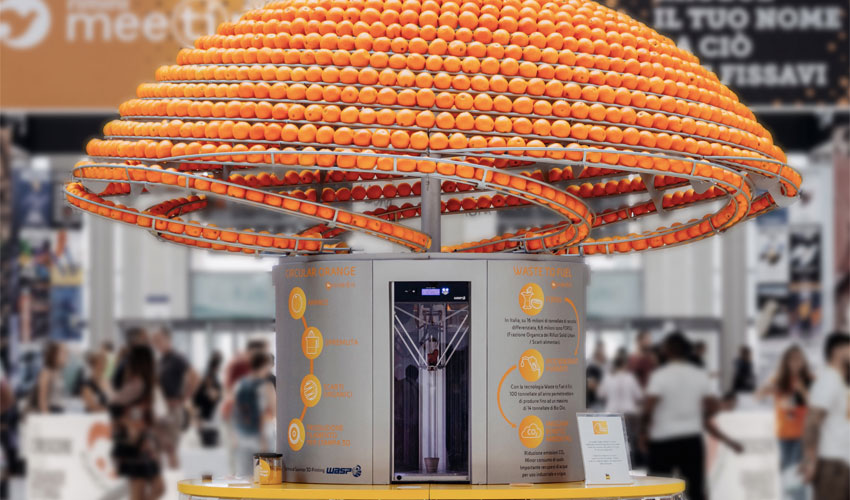 MaterialsA juice bar transforms orange peels into 3D printed cupsWould you like an orange juice squeezed into a 3D printed cup? This is the project imagined by the architect Carlo Ratti who developed a rather special juice bar, this one allows for orange peels to be transformed into 3D…
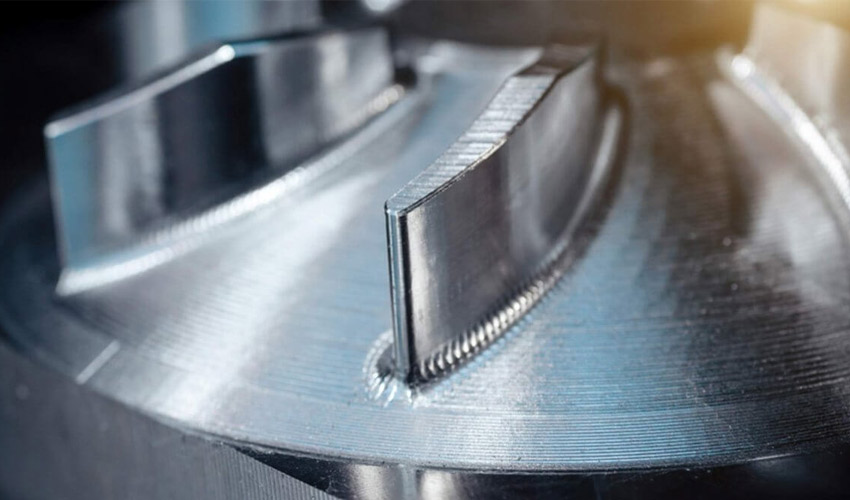 MaterialsWhat is the environmental impact of metal additive manufacturing?Not so long ago, the Additive Manufacturer Green Trade Association (AMGTA) released its report on the environmental impact of metal additive manufacturing. Conducted by Jeremy Faludi of Delft University of Technology and Corrie Van Sice of Dartmouth College, the study…
 GuidesFrom Waste to Wind on 3D Printing Wind Turbines Using Plastic WasteIn recent years, wind power has been developing around the world in order to provide a more sustainable alternative for electricity production. In the US for example, total annual electricity generation from wind energy increased from 6 billion kilowatthours (kWh)…
 NewsTop 5 Videos of the Week: 3D printed frames and much more!This week we found the top 5 videos about 3D printing and the way additive manufacturing is shaping our society. The technology has infiltrated many sectors, from medical to automotive! Check out our selection of the week to keep up with the innovations! This week we…
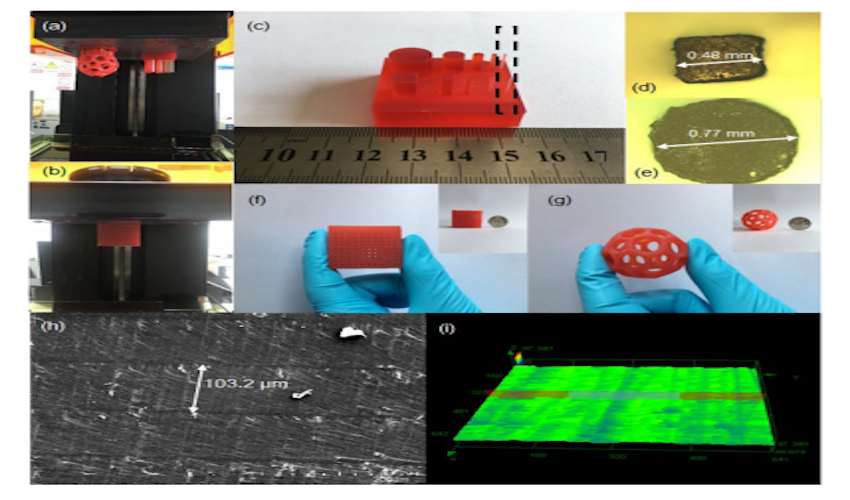 MaterialsResearchers develop 3D printing resin from vegetable oilWith global concern for fast depleting natural resources and environmental pollution growing, sustainable economy has been a hot topic in recent years. More and more companies are starting to feel the need to invest in circular economy development, and the…