Materials
Researchers develop 3D printing resin from vegetable oil
With global concern for fast depleting natural resources and environmental pollution growing, sustainable economy has been a hot topic in recent years. More and more companies are starting to feel the need to invest in circular economy development, and the…
- 3 min read
- Materials
- Six more stories
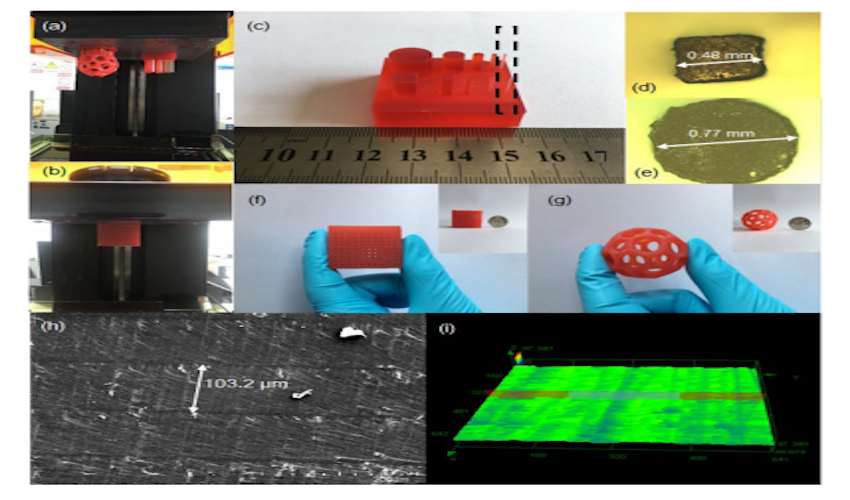
With global concern for fast depleting natural resources and environmental pollution growing, sustainable economy has been a hot topic in recent years. More and more companies are starting to feel the need to invest in circular economy development, and the additive manufacturing field is no exception. Therefore, vegetable oil has been the subject of more than just one research – it is one of the best biodegradable base-materials, particularly for resins. A few days ago, a new research was published on this topic by scientists from Guangdong University of Technology, China. They have discovered that dual-curing resin with vegetable oil can be the key to high-performance environmentally-friendly 3D printing!
Resins for SLA technology
3D printing technologies based on photopolymerization use UV-sensitive resins to create objects layer by layer. Technologies include SLA, DLP, and even Material Jetting (PolyJet). When it comes to the “standard” resin, the surface finish of the part will be good given the photopolymerization process, but mechanical properties will be moderate. However, if we take the biodegradable photopolymers, their mechanical properties are even less impressive.
In additive manufacturing, biodegradable photopolymers are the ones that can be recycled and repurposed, in order to not end up on a landfill contributing to the environmental pollution. Such resins are typically made from acrylate-modified polymers, cellulose-derived polymers, and vegetable oil-based acrylates.
More from the desk
Six other notes from the rest of the bench.
 NewsMicrolight3D Shatter Limitations of Microfabrication 3D PrintingMicrolight3D have 3D printed the world’s smallest replica of the statue of liberty to commemorate inauguration day in the USA (the swearing in of the President of the United States took place on January 20th) and show off their new…
 NewsNano Dimension Acquires Markforged and Positions Itself as a Market LeaderLast night, Israeli manufacturer Nano Dimension announced its intention to acquire Markforged, an American 3D printing solution provider, renowned in particular for its composite machines. Nano Dimension has agreed to buy all the outstanding shares of the American company, in&hel
 NewsA Virginian Family Has Moved Into Habitat for Humanity’s First, Completed 3D Printed HomeIn some good news from the holidays, a family has officially moved into Habitat for Humanity’s first completed 3D printed home. Completed only a few short weeks ago, the home was built in a partnership between Alquist, a 3D printing…
 NewsMIT researchers create 3D printed soft brain implantsAt MIT, a team of researchers is currently working on 3D printing neural implants as soft and flexible as rubber. Traditionally, brain implants are made of metal – this new method would allow for the brain implant to better adapt…
 ApplicationsDaimler Buses is Allowing its Customers to 3D Print Spare PartsBefore long, bus companies Mercedes-Benz and Setra will be able to 3D print parts for their vehicles themselves. The news comes directly from an announcement by the component manufacturer Daimler Buses in a press release. With this initiative, the manufacturer…
 News3D printed fingerprints: implications for our securityResearchers at Michigan State University have created a wearable fingerprint that is recognised by all 3 types of fingerprint readers. These fingerprints, created from 3D-printed molds, use a silicone material to mimic human skin. So successful are these ‘targets’, th