Applications
Renishaw’s 3D printed device delivers successful clinical trials for Parkinson’s
Global engineering company and 3D printer manufacturer, Renishaw, has developed a drug delivery system that could change treatment of neurodegenerative, and other debilitating neurological conditions such as Parkinson’s disease. Parkinson’s is caused by the break-down of do
- 3 min read
- Applications
- Six more stories
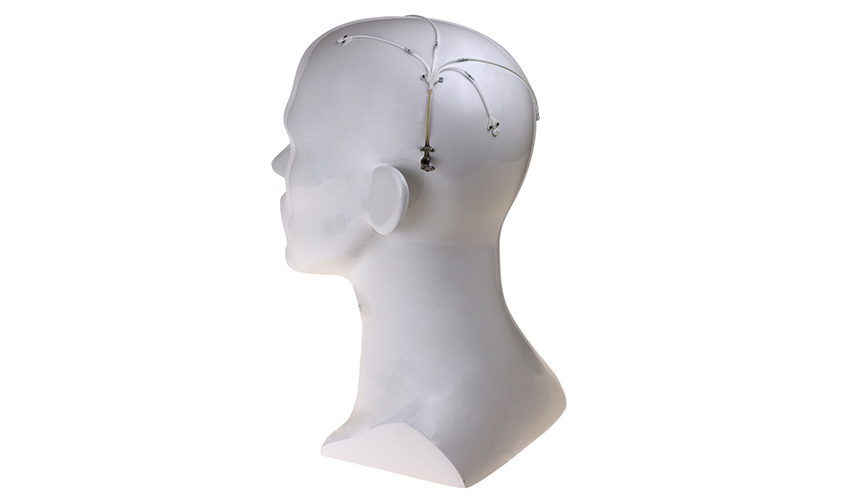
Global engineering company and 3D printer manufacturer, Renishaw, has developed a drug delivery system that could change treatment of neurodegenerative, and other debilitating neurological conditions such as Parkinson’s disease. Parkinson’s is caused by the break-down of dopamine producing neurons in the brain, which leads to involuntary shaking, stiffness of muscles, slowing down of movement and other non-motor symptoms such as memory loss and depression.
Whilst these symptoms can initially be managed with medication, there is currently no treatment available that effectively prevents disease progression, or that treats the motor and non-motor symptoms together. Renishaw’s neuroinfuse™ drug delivery system seeks to provide treatment for Parkinson’s. After the completion of the main part of a clinical trial, the company is positive that their device can play a critical role in treatment for Parkinson’s disease.
Credits: Chris Marshall Mint Motion
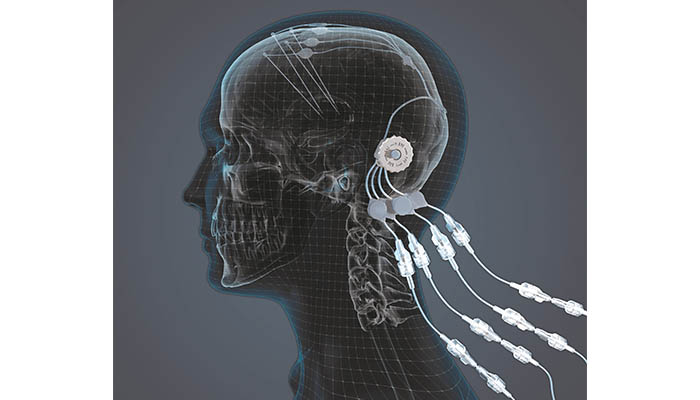
More precisely, it’s intraparenchymal drug delivery offers a practical method of bypassing the blood-brain barrier to deliver drugs to the brain. The device is made up of up to 4 catheters, which can be implanted into target areas within the brain. The catheters are accessed via a 3D printed titanium transcutaneous port implanted behind the patient’s ear, and drug-filled infusion lines are connected using an MRI compatible application set, which repeatedly locates onto the port. Retractable needles extend through a septum in the port to enable therapeutics in the external infusion lines to be infused through the implanted catheters.
More from the desk
Six other notes from the rest of the bench.
 ApplicationsCOVID-19: scaling up production of 3D printed medical equipmentVentilators are pieces of equipment that are designed to breathe for somebody that isn’t able to breathe on their own. Modern ventilators consist of a pump machine and a tube that healthcare professionals slide into the patient’s windpipe to control…
 MaterialsResearchers 3D Print Structured Fabrics Capable of Supporting 50 Times Their WeightA team of scientists from Nanyang Technological University in Singapore, and the Caltech Institute of Technology in California have developed 3D-printed structured fabrics capable of supporting 50 times its own weight. Inspired by chainmail, it could stiffen on demand and…
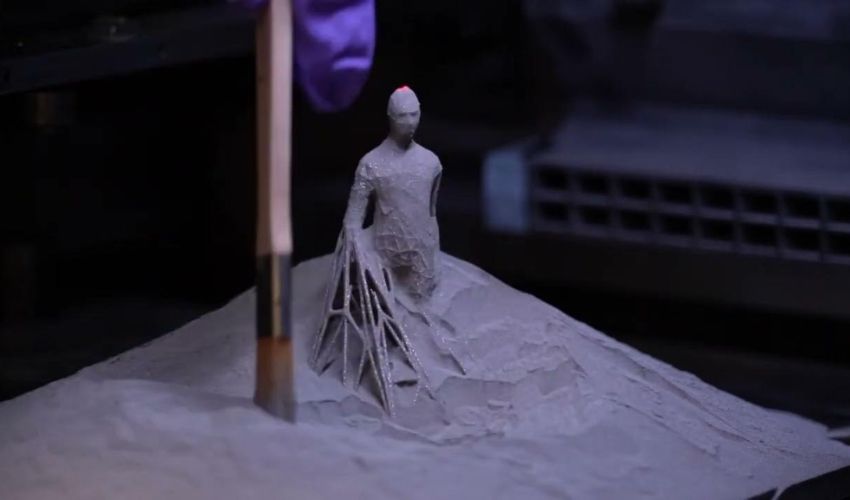 NewsMore Cost-Effective 3D Printed Steel Without “Heating and Beating”Even as metal 3D printing grows in popularity, especially as a way to create complex metal shapes, there are still obstacles to overcome. One significant one, can be the high production costs, for example due to the need for significant…
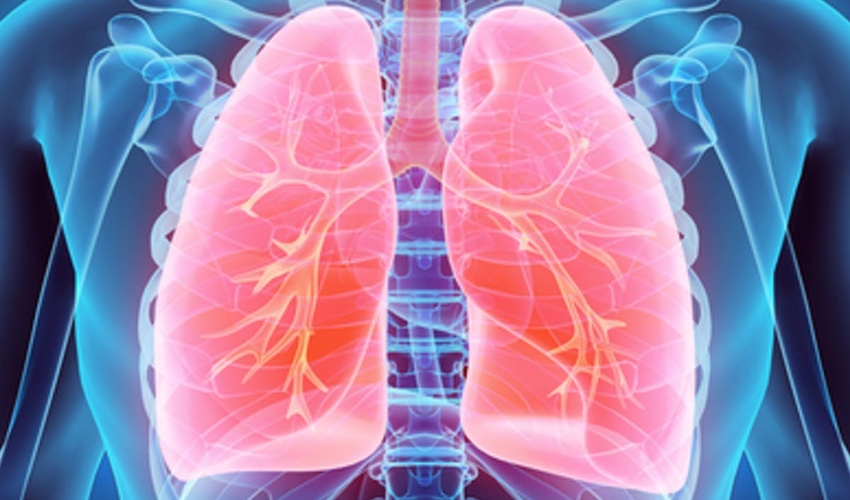 ApplicationsPOSTECH 3D Print First-of-its-Kind Lung ModelAs winter gives way to spring the newly bloomed flowers and warm weather bring with them dust, unperceived by most but an anguish to those suffering from respiratory diseases. For them, this year and last, tainted by Covid-19, has amplified…
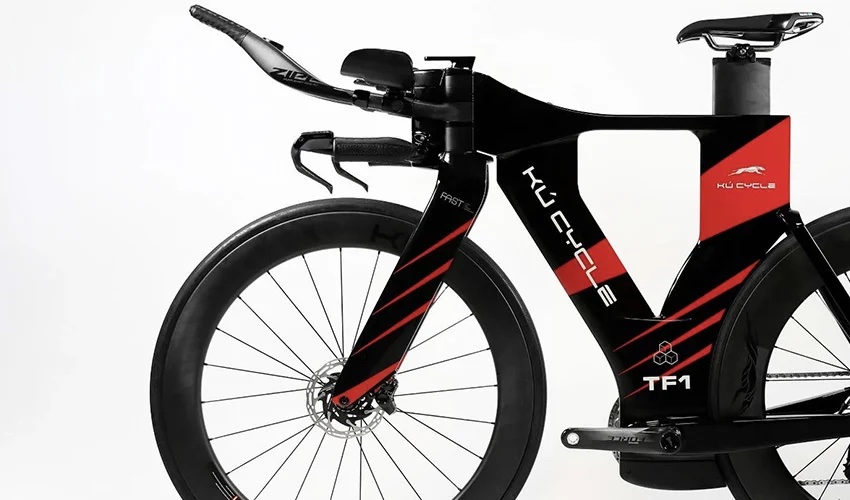 NewsCarbon and Kú Cycle Are Working Together to Improve the Performance of TriathletesIn sports like triathlon, what matters most is being the fastest. And though of course the athlete is largely responsible for the speed, high performance equipment is also paramount to going as fast as possible. Due to this, companies are…
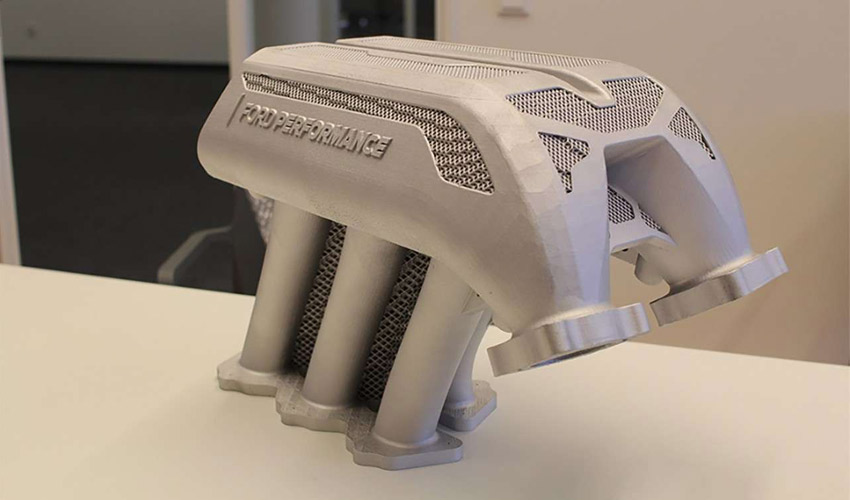 MaterialsFord produces the largest ever 3D printed metal automotive partLargest 3D Printed Metal Automotive Part in History Ford Performance, the high-performance division of Ford Motor Company, 3D printed what they claim to be the largest metal automotive part for a working vehicle in automotive history. The metal part was…