News
Polymerisation Optimisation for More Accurate SLA Parts
Researchers from the National Institute of Standards and Technology (NIST) have found that it is possible to produce more accurate and uniform parts by enhancing control over polymerisation and diffusion. They discovered this using a new method of measuring photo-polymerisation-b
- 3 min read
- News
- Six more stories
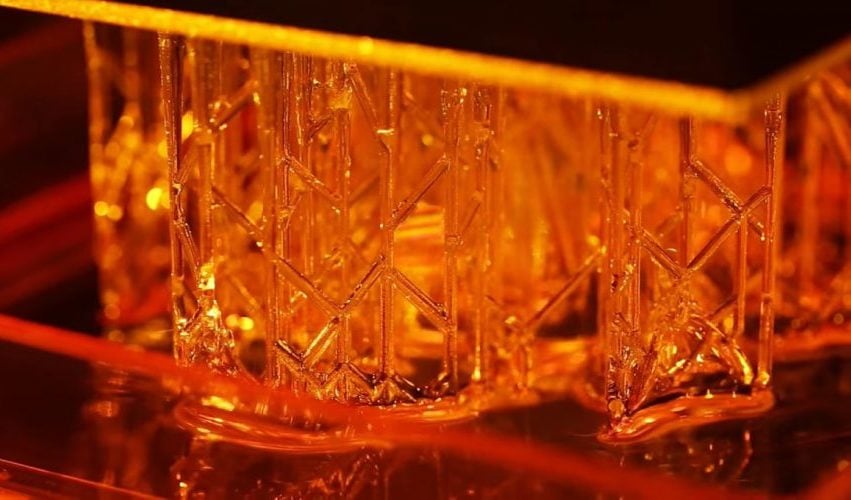
Researchers from the National Institute of Standards and Technology (NIST) have found that it is possible to produce more accurate and uniform parts by enhancing control over polymerisation and diffusion. They discovered this using a new method of measuring photo-polymerisation-based 3D printing processes. The research has important applications, particularly in the medical sector, where accuracy is essential to parts such as personalised prosthetics and dental materials. The researchers also found that this method could reduce the costs of making and testing new resins, requiring just a few microlitres of the material.
Parts printed with high-resolution stereolithography often deviate significantly from their original designs. Stereolithography (SLA) is a photo-polymerisation-based additive manufacturing technology. Other photo-polymerisation technologies include digital light processing (DLP) and Material Jetting (PolyJet). In photo-polymerisation, light-activated resins, also known as photo-polymers, are cured by a laser (SLA) or digital light projection source (DLP), typically emitting ultraviolet (UV) rays, layer by layer to produce the part.
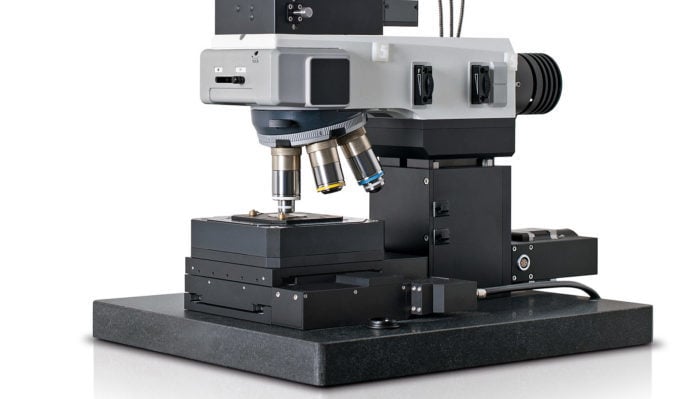
Atomic Force Microscope (AFM) by WITec (Image: WITec GmbH)
Using a custom atomic force microscope (AFM) fitted with a nanometer-scale, cylinder shaped tip, NIST’s research team were able to observe the complex process of curing resins as they reacted under light, forming polymers. The researchers were able to quantify viscosity, diffusion and conversion using a vibrating cylindrical atomic force microscope probe surrounded by a constant flow of liquid resin. The probe’s vibrations are measurable and reduce depending on the length of the cylinder and the liquid resin’s viscosity. By measuring the probe’s vibrations which alter as the resin becomes less viscous during polymerisation, the researchers were able to determine the polymer’s evolution in space and time.
More from the desk
Six other notes from the rest of the bench.
 ApplicationsHarvard Researchers Develop Microbial Ink to 3D Print Living MaterialsWhat if you were told that 3D printing is getting closer and closer to revolutionizing science? A team of researchers at Harvard University and Brigham and Women’s Hospital is rising to the challenge. Recently, they developed a microbial ink or…
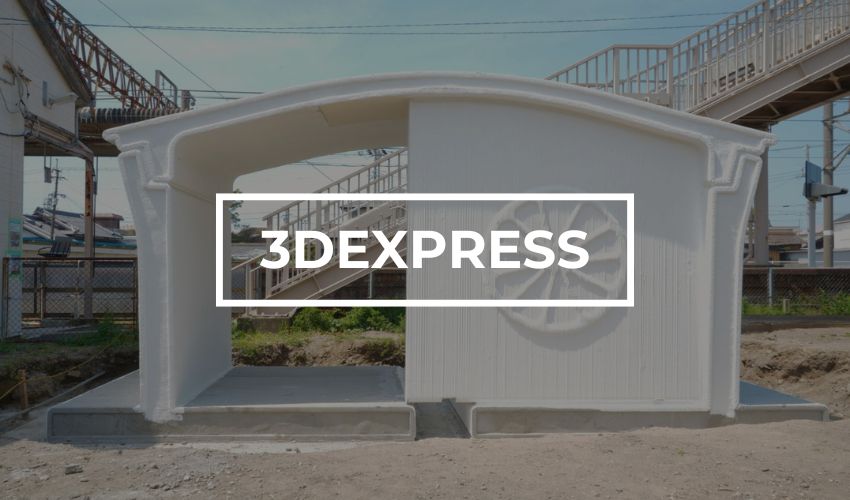 Applications#3DExpress: The 3D Printed Train Station in Japan Is Finished!There was plenty of news this week on the additive manufacturing market! And we’ll start with the progress of a project we already reported on a few weeks ago: in Japan, the 3D printed structure used as a shelter in…
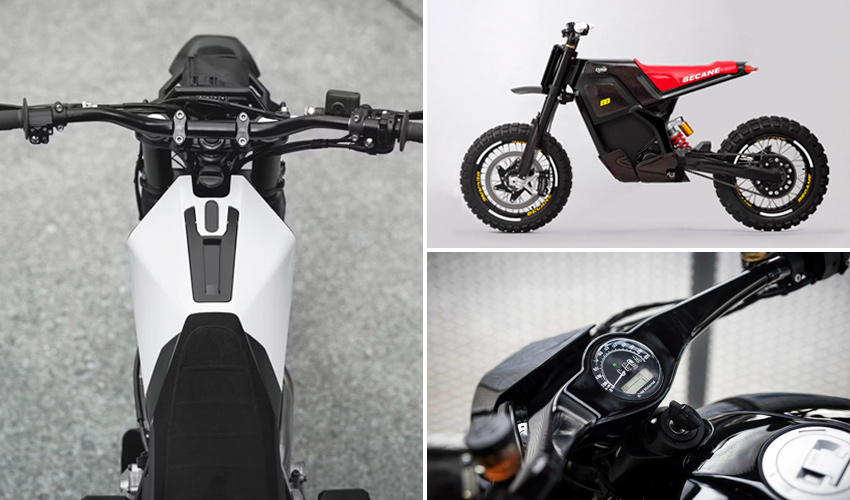 ApplicationsWhat Motorcycles With 3D Printed Parts Are on the Market?The automotive industry has been using additive manufacturing for many years. Whether for designing prototypes or finished components, in polymer or metal, 3D printing has proven very useful, bringing numerous benefits to automakers. If we zoom in on motorcycles more…
 NewsWEBINAR: How to Start and Scale a 3D Printing ServiceOn the 29th of October, 3Dnatives hosted a webinar on how to start and scale a 3D printing service. Mike Moceri, CEO of MakerOS, led this masterclass in not just how to build a 3D printing service from the ground up,…
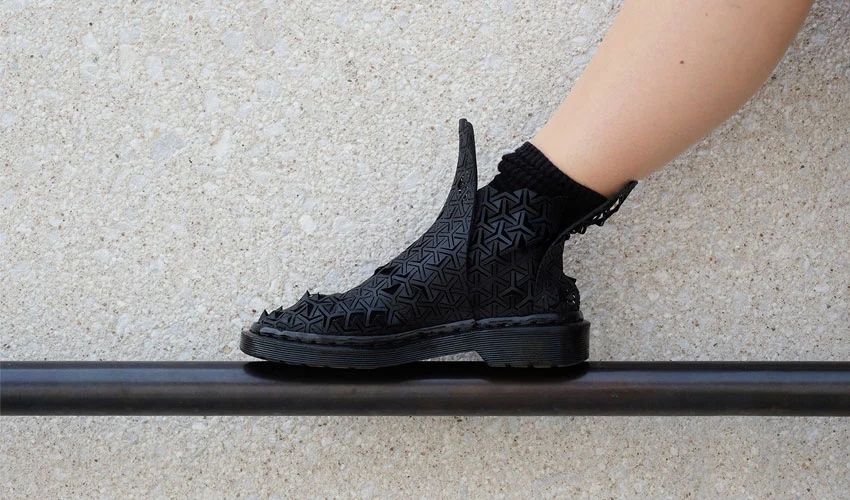 NewsAuxetic Wear, a 3D Printed Shoe That Adapts to Your FootA shoe that fits your foot, not the other way around: that’s the primary goal that inspired design studio WertelOberfell to come up with this new pair of 3D printed shoes. Using a desktop FDM 3D printer and TPU, it…
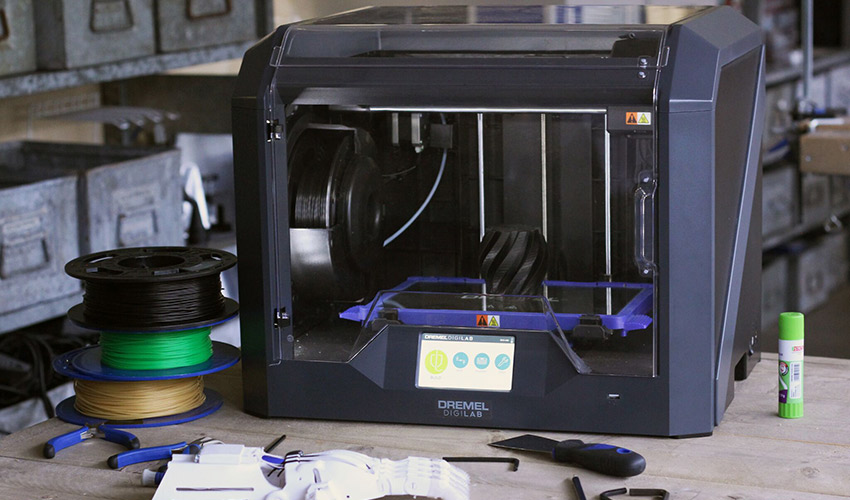 Printers3Dnatives Lab: Testing the DigiLab 3D45 3D printer from DremelBest known for its many micromachining tools for makers, the American manufacturer Dremel launched into the world of 3D printing in 2014 with a first model called Idea Builder. Since then, the brand has expanded its range, adding three 3D…