News
OpenFlexure, an open source microscope to 3D print
Professional microscopes used in laboratories are usually very expensive, therefore many educational institutions cannot afford them. Along with the DIY trend, we find a new culture of collaboration and sharing that is growing every day. This is the case of…
- 3 min read
- News
- Six more stories
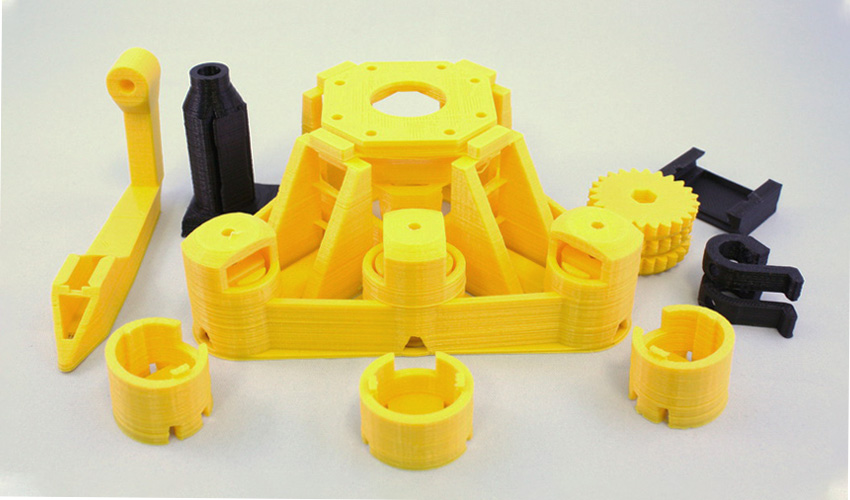
Professional microscopes used in laboratories are usually very expensive, therefore many educational institutions cannot afford them. Along with the DIY trend, we find a new culture of collaboration and sharing that is growing every day. This is the case of the OpenFlexure project, presented by Joel Collins and Richard at the University of Bath in the UK. With the aim of offering an efficient solution to schools, laboratories and universities, these open source microscopes can be created through additive manufacturing, for less than $20.
Producing a high-end microscope can cost hundreds of dollars. However, one of the main advantages of 3D printing is that it allows manufacturing costs to be reduced in small series. Both in terms of initial costs, and equipment maintenance, OpenFlexure is a microscope that is accessible to everyone. For only $18 it covers the cost of the printed plastic, a camera and some fixing accessories. Collins said, “We want these microscopes to be used all over the world: in schools, laboratories, clinics, and even homes, if they want the microscope to play with. You just need to make it and start using it. And we want it to be affordable.”
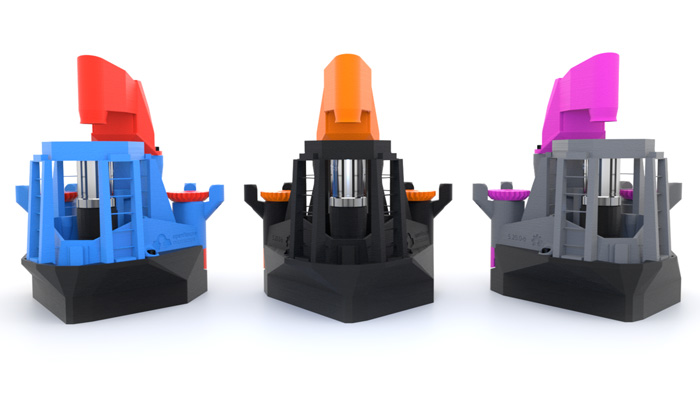
Three versions of the OpenFlexure open source microscope
How do you make your OpenFlexure microscope?
If you bet on this project, here’s what you need to know before you get started. The OpenFlexure is a fully automated laboratory grade instrument (thanks to a Raspberry Pi) with motorized sample positioning and autofocus control. Its design method makes it suitable for small spaces, such as schools or homes. In addition to its main functions, we can customize it with trans and epiluminescence lighting, polarization contrast imaging and epifluorescence imaging. It is designed with an intuitive software interface that allows easy and simple use of the microscope.
More from the desk
Six other notes from the rest of the bench.
 NewsPolish Students Create Eco-Friendly 3D Printed SneakersIf you’re looking for a new eco-friendly sneaker for this summer, then two design students from the Academy of Fine Arts in Warsaw may have just what you need. Students Zuzanna Gronowicz and Barbara Motylinska have come together to craft…
 NewsThermwood 3D prints a hull mold for a 51-foot long yachtThe manufacturer of large-format additive manufacturing solutions, Thermwood, has recently 3D printed several sections of a mold of the hull for a 51-foot long yacht. Using carbon fiber reinforced ABS, the company developed a part that was strong enough, demonstrating that additi
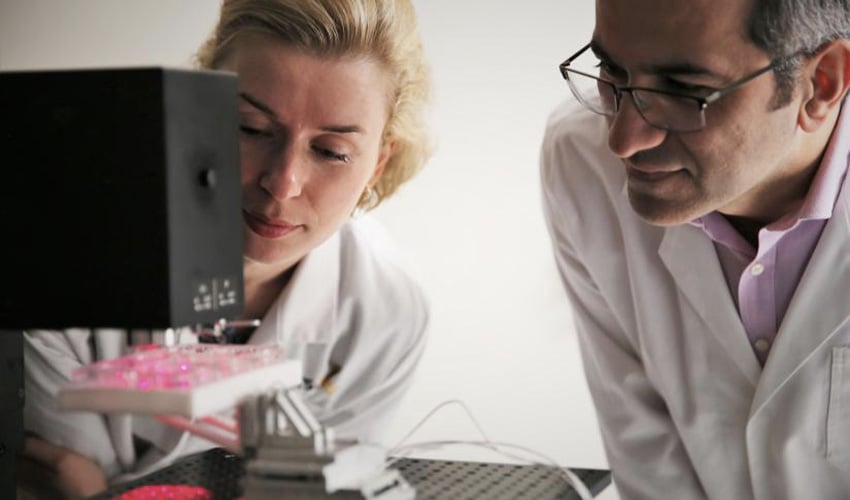 Applications3D Bioprinting to Help With Heart Transplant EfficiencyAccording to the World Health Organization, roughly 17.9 million lives are taken each year because of cardiovascular diseases (CVDs). In fact, they are the leading cause of death globally, . Heart transplantation, or heart grafting, is the most effective long-term…
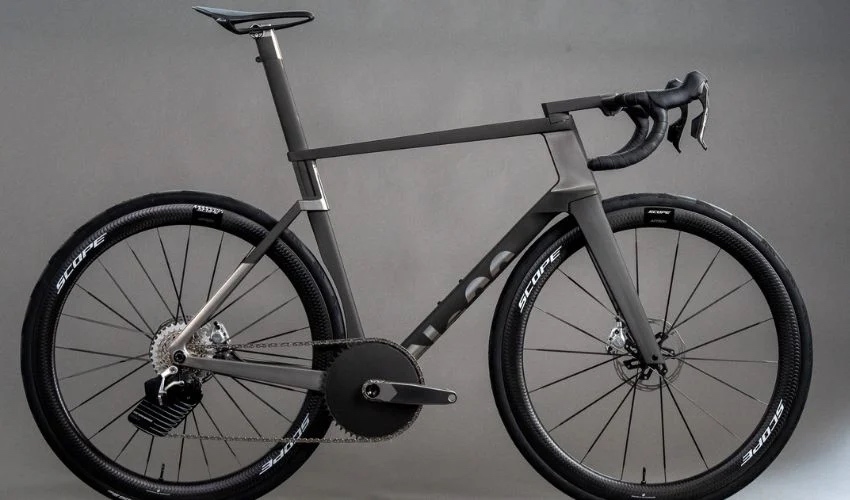 ApplicationsNo. 22 Launches Reactor Aero: The World’s First 3D-Printed Titanium Aero BikeInnovation is paramount in the world of cycling, and New York-based company No. 22 is setting new standards with the Reactor Aero, the world’s first 3D-printed titanium aero bike. The model combines state-of-the-art technology with exceptional design and promises an…
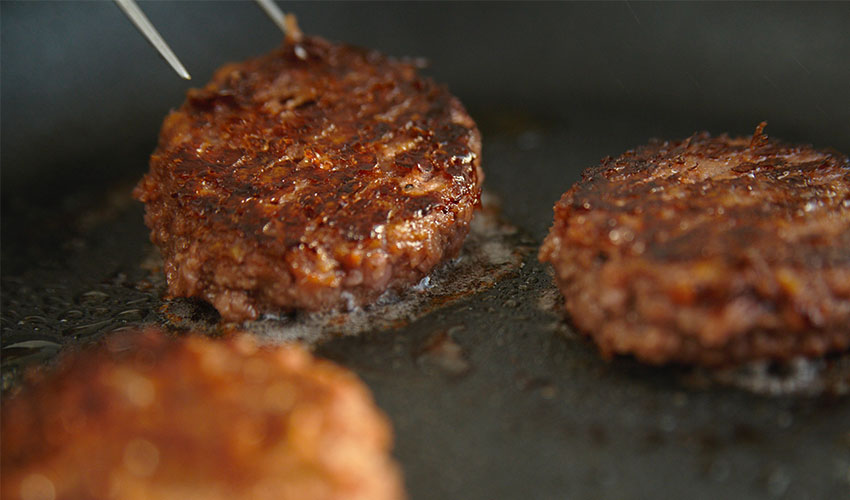 PrintersRedefine Meat raises $6M to bring its alternative meat 3D printer to marketBack in June, we shared with you the latest advancements in 3D printed meat. We had spoken to Redefine Meat, one of the key players in this market to learn more about the startup’s activities in the sector. The company…
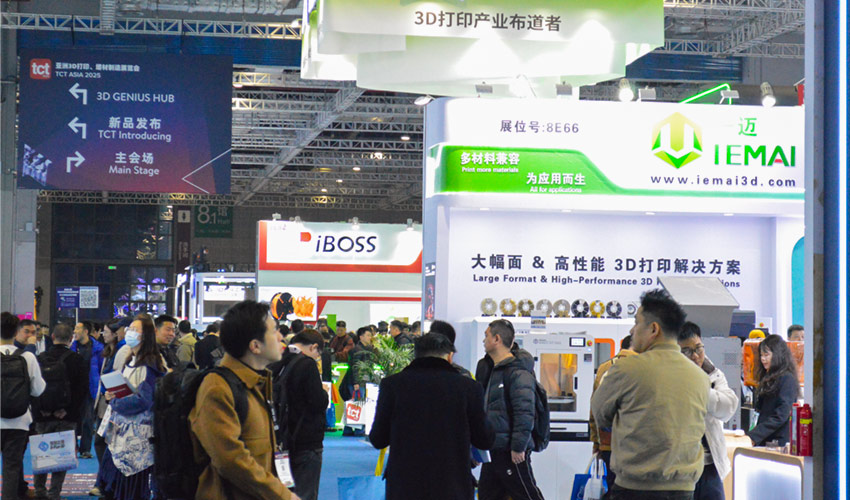 NewsTCT Asia 2025: China Consolidates Its Position in the Additive Manufacturing MarketOn March 19, the eleventh edition of TCT Asia 2025 closed its doors at the National Exhibition and Convention Center in Shanghai. With more than 450 exhibitors and after three days of intense activity in halls 7.1 and 8.1, the…