Applications
3D Bioprinting to Help With Heart Transplant Efficiency
According to the World Health Organization, roughly 17.9 million lives are taken each year because of cardiovascular diseases (CVDs). In fact, they are the leading cause of death globally, . Heart transplantation, or heart grafting, is the most effective long-term…
- 3 min read
- Applications
- Six more stories
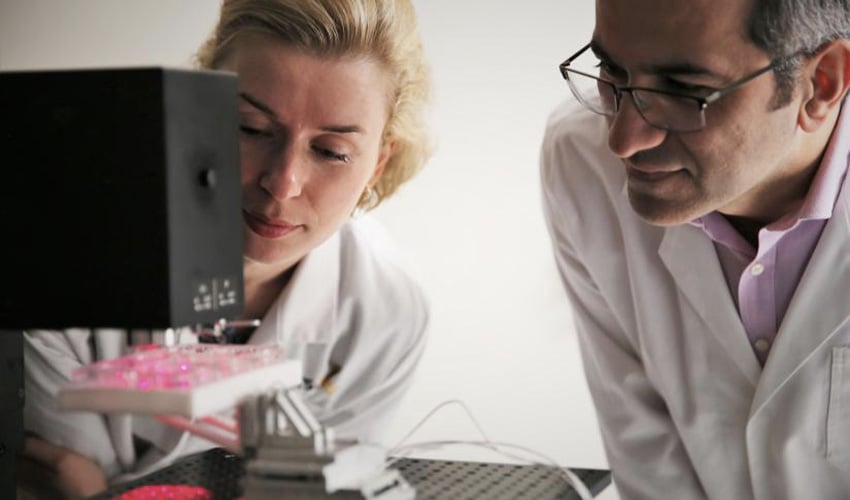
According to the World Health Organization, roughly 17.9 million lives are taken each year because of cardiovascular diseases (CVDs). In fact, they are the leading cause of death globally, . Heart transplantation, or heart grafting, is the most effective long-term treatment; however, it is associated with various complications. One of the major risks after transplantation is rejection, which can ultimately result in the death of the patient.
However, a team of researchers from the University of Technology Sydney (UTS) has made significant progress in reducing deaths caused by heart disease. They have achieved this feat by utilizing additive manufacturing to create human heart tissue using customized bio-ink, which is expected to minimize complications and the risk of rejection.
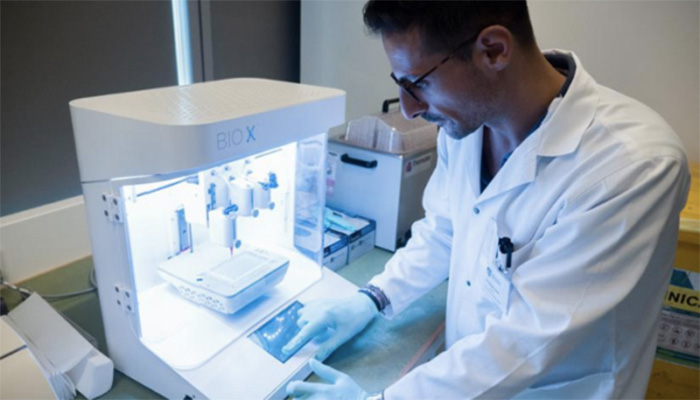
Rejection is avoided by using the body’s own stem cells (photo credits: UTS)
Head of the Cardiovascular Regeneration Group at UTS, Dr. Carmine Gentile, stated that they have developed a groundbreaking technology that enables them to 3D model and bioprint personalized hearts for transplantation using the patient’s own stem cells. As a result, there is no risk of rejection. The 3D-printed heart tissue, which is only half the size of a nail, has enormous potential. It can be used to regenerate damaged organs after a heart attack, and it can also eliminate the need for animal experimentation. The process begins with a scan of the entire heart to create a 3D model of the area that requires transplantation, and a heart patch that covers the damaged region is also modeled. The information is then used by the bioprinter to create beating heart tissue from the bioink that contains the patient’s stem cells.
More from the desk
Six other notes from the rest of the bench.
 NewsRapid + TCT 2021: A Round-Up of the News from the EventAfter over a year of exclusively virtual events, slowly in-person 3D printing conferences are coming back. The most recent one was Rapid + TCT which took place this week (September 13-15th, 2021) in Chicago. Rapid + TCT is one of…
 NewsADDITIV Italia Is the Virtual Event Dedicated to 3D Printing in ItalyThe Italian additive manufacturing market is continuously evolving and we have seen more and more an increased presence of 3D printing in the production and prototyping processes of companies in major industrial sectors. Automotive, aerospace, medical, energy, oil & gas,&hell
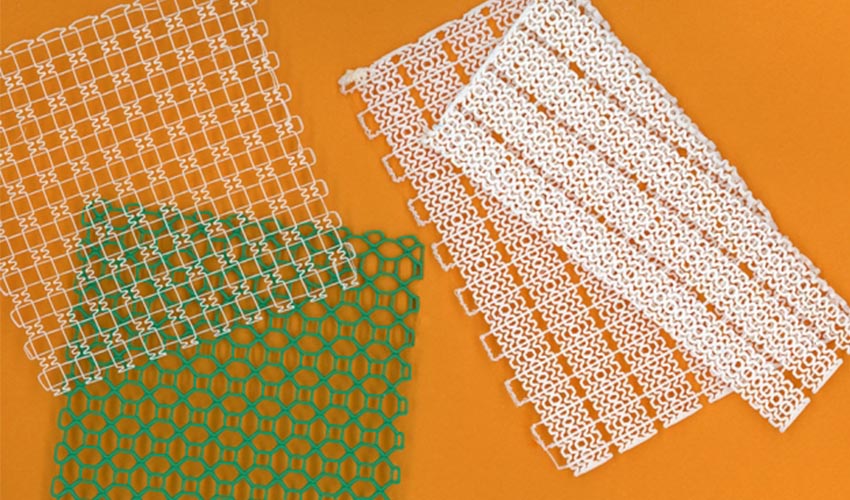 MaterialsEngineers at MIT develop 3D printed mesh for ankle and knee bracesIn our last ranking about 3D printed orthoses, we shared with you some of the projects and products being enhanced by 3D printing technologies. The ability to customise these medical devices in order to offer a personalised solution for each…
 ApplicationsAdvancing Additive Manufacturing in Aerospace and Defense: Industry Leaders Convene for Panel DiscussionIf you’re looking for game-changing Additive Manufacturing (AM) materials for Aerospace and Defense (AeroDef) applications or need to upgrade to AM materials that offer high performance, connectivity, and cybersecurity, SPE’s online Between the Layers: Panel Discussion – Ad
 ApplicationsUpcoming Trial to Use 3D Bioprinting in Improving the Treatment of Extensive BurnsBurns are the cause of death of around 180,000 people each year, according to the WHO. Severe burns, especially those affecting a large part of the body, are still a major challenge for modern medicine. Current treatments consist of skin…
 SoftwareLeopoly: A Modeling Software for 3D Design and Virtual RealityLeopoly offers a range of cloud-based 3D modeling tools, suitable for both beginners and advanced users. Tailored to cater to the demands of the 3D printing market, it also meets the needs of the virtual reality and augmented reality space,…