Guides
The Faces of Additive Manufacturing: Olaf Diegel
Our so-called The Faces of Additive Manufacturing series focuses on the pioneers who have shaped today’s 3D printing industry. Following our last portrait of Terry Wohlers, famous for his annual reports on the sector, we were present to you Olaf…
- 3 min read
- Guides
- Six more stories
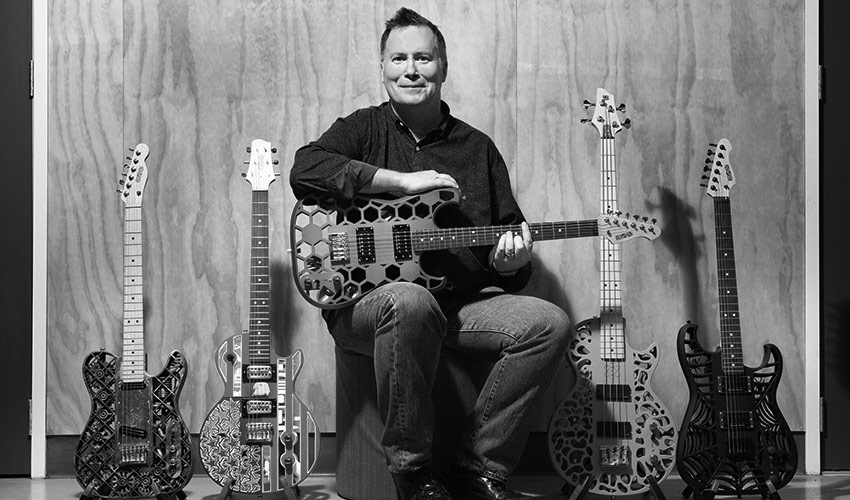
Our so-called The Faces of Additive Manufacturing series focuses on the pioneers who have shaped today’s 3D printing industry. Following our last portrait of Terry Wohlers, famous for his annual reports on the sector, we were present to you Olaf Diegel, Professor of Additive Manufacturing at the University of Auckland. Olaf Diegel understood several years ago the potential of 3D printing for the design of complex parts, whether for musical instruments, medical prostheses or jewellery. 3Dnatives went to meet him to learn more about his vision of the sector.
3DN: Could you introduce yourself and your work in regards to AM?
I am currently a professor of additive manufacturing at the University of Auckland, in New Zealand, where my area of expertise is in designing for additive manufacturing. Previous to this, I was heavily involved in product development, both in research on how to bring better products to market faster, and as a practitioner where I helped companies with their product development from finding a problem to be resolved or a market/user need, to the detailed engineering design, to the manufacturing and getting the product out to market. Over my career, I have brought well over 100 products to market in areas including theatre lighting products, home health monitoring products, marine products, musical instruments, etc.
It is this work in product development that first got me interested in additive manufacturing (or rapid prototyping, as it was known at the time). This was in the mid-90s where I would use AM strictly as a prototyping tool to test that my designs would work before investing a lot of money in production tooling. But then, as the technologies evolved over the years, I started to get more and more interested in how to use AM for production, rather than just for prototyping.
More from the desk
Six other notes from the rest of the bench.
 NewsWEBINAR: Sustainable and Custom Series Manufacturing with AMAdditive manufacturing is often seen as an environmentally friendlier production method to conventional manufacturing because of its potential for local production and because it can allow for zero-waste manufacturing. It is also seen as one of the manufacturing technologies enab
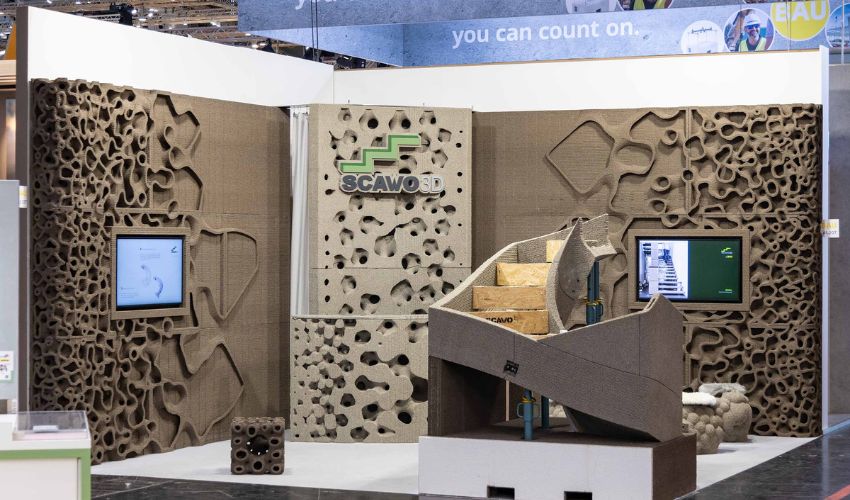 GuidesScawo3D Enables Freedom in Architecture With Inkjet Concrete PrintingAnyone involved in 3D printing is unlikely to have missed the trend towards 3D printed houses. Innovative companies are continuously driving the establishment of 3D printing in the sector. Extrusion printing is often used in current projects, with huge printing robots…
 NewsPure gold 3D printed in microstructuresWhat if you could make 3D printed microstructures of pure gold? This is the goal of research conducted by a group of scientists at the University of Twente in the Netherlands. Using a technology based on the use of a laser, researchers…
 Software3D Builder, the Free 3D Modeling Software by Microsoft3D Builder is Microsoft’s 3D modeling software that allows you to easily design a 3D model, visualize it or make any modifications quickly. It is a free solution, installed by default on all computers with Windows 10 (though since later…
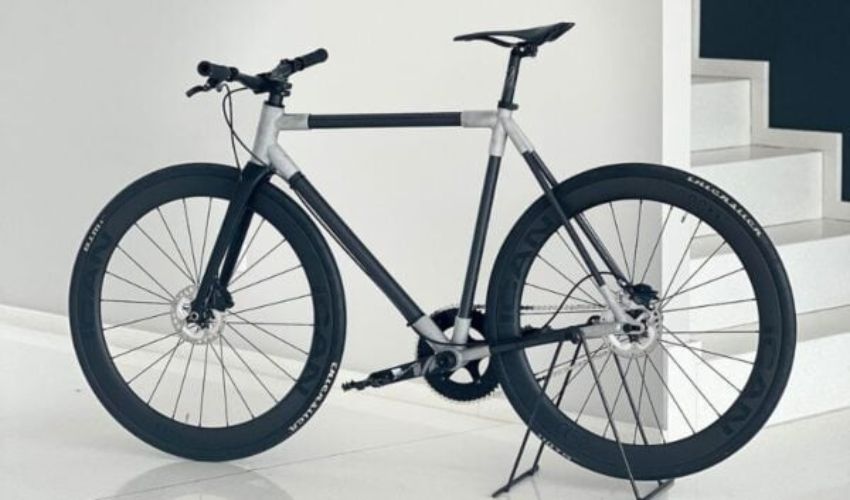 NewsMeet the Ultralight, 3D Printed Single-Speed Bike From CoreTechnologieIn 2022, between 17 and 20 million bicycles were sold around the world. Among the most desirable bikes, light, inexpensive and functional is the ideal formula that attracts the average cyclist shopper. Putting these principles into practice, CoreTechnologie has developed…
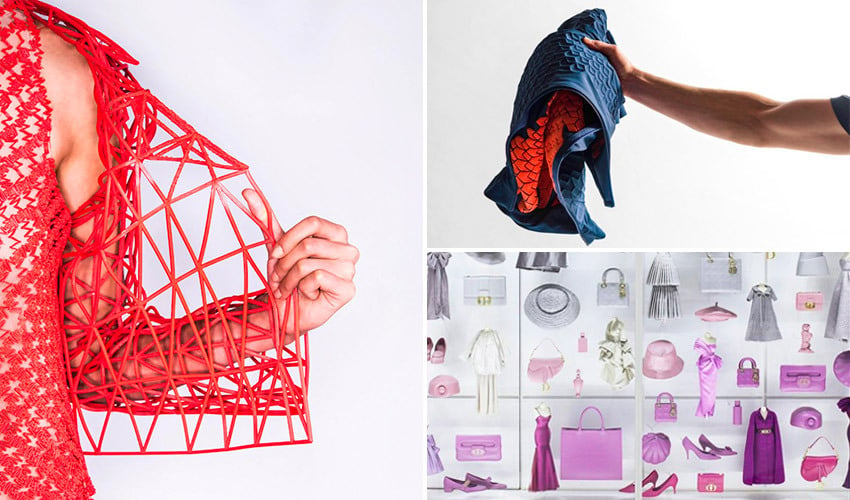 Guides3D Printed Fashion: The Top DesignsFashion brings together several industries, whether it is clothing, cosmetics, or luxury. All sorts of products are being created to embellish and affirm a style, a look, a way of being. In the world of fashion, it is necessary to…