Materials
Nylon and Sustainability, the Path to Responsible Additive Manufacturing?
Nylon, as we already know, is a synthetic polymer belonging to the polyamide (PA) group. In additive manufacturing, we can find it in filament form (PA6) for FDM technology, or in powder form (PA11 and PA12) for technologies such as…
- 3 min read
- Materials
- Six more stories
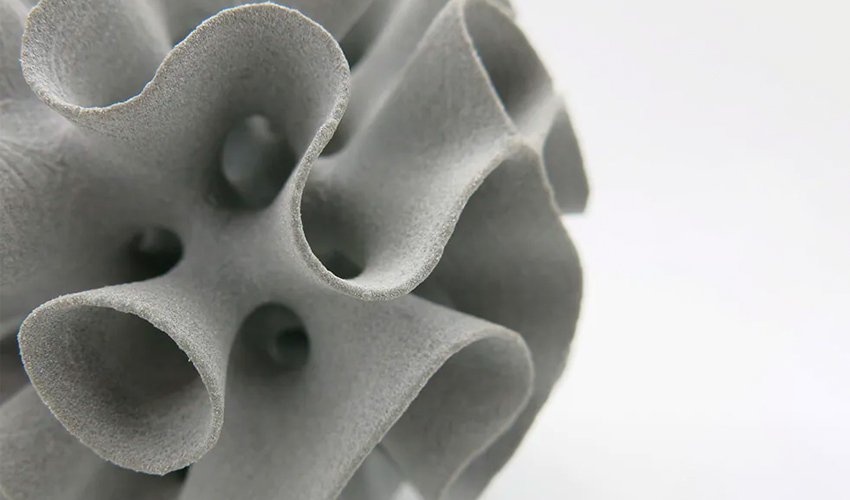
Nylon, as we already know, is a synthetic polymer belonging to the polyamide (PA) group. In additive manufacturing, we can find it in filament form (PA6) for FDM technology, or in powder form (PA11 and PA12) for technologies such as selective laser sintering or HP’s MultiJet Fusion. Despite being a highly utilized material in the 3D printing industry, nylon has been the subject of debate at times, especially as concerns its sustainability. This is due to several factors, such as the composition of some polyamides, the degree of recyclability and reusability of the material, or gas emissions during the manufacturing process. In addition, commitment to the environment is an aspect that all companies are taking and must take into consideration nowadays, something that we will also see later on.
If we focus only on nylon 3D printing, it is clear that, depending on the type of polyamide, its origin and composition, this material will have a greater or lesser impact on the environment. To better understand its role in the industry, as well as its carbon footprint, we will try to analyze the characteristics and properties of nylon, both in powder and filament form. So how are PA6 filaments printed, how do PA11 and PA12 differ, where does the 3D industry stand in terms of nylon usage and sustainability, and are there viable alternatives? Below, we will provide answers to all of these in order to understand more about how sustainable this material is and the way forward for the manufacturing industry.
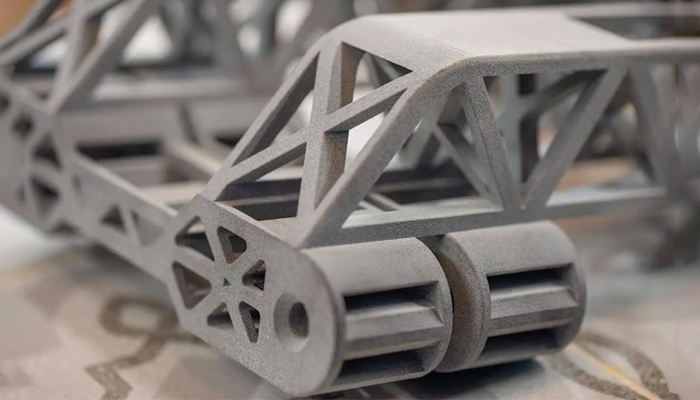
Photo Credits: FICEP S3
PA6, a demanding 3D printing filament
PA6 filament is a semi-crystalline thermoplastic polymer and is one of the most widely used polyamides worldwide. With a melting point of 220°C, PA6 is used in a wide variety of applications due to its good performance/cost ratio. Although it has traditionally been used in industrial manufacturing methods, it has gradually gained popularity in the 3D printing sector because of its interesting mechanical properties and its ability to create high-performance parts. In addition, PA6 is a much more difficult material to 3D print when compared to standard plastics such as PLA or ABS. Its operating temperature range is 250-270°C, so a suitable working environment must be ensured so that it does not shrink.
More from the desk
Six other notes from the rest of the bench.
 NewsThe Best 3D Printing Videos of 2020As 2020 draws to a close, it’s time to remember the best 3D printing videos we’ve seen over the last 12 months. This year has been heavily impacted by the Covid-19 pandemic, which is why many of the videos are…
 NewsRevo Foods and their 3D Printed SeafoodLast July, we presented a crazy concept from Legendary Vish, founded by a group of students who came up with a way to 3D print fish. A few months later, the project was structured and a startup was born: Revo…
 NewsMatterHackers Awarded $5M Navy Contract for 3D PrintersMatterHackers, the largest US-based retailer of desktop 3D printers and materials, has announced that the company was awarded a 5 year NAVAIR (Naval Air Systems Command) Tier 1 Additive Manufacturing System Contract by the US Navy. Over the course of…
 News#3Dstartup: Metallum3D offers microwave sintering for metal AMIn recent years, the metal additive manufacturing segment has experienced a strong growth, explained in great part by the arrival of players who wanted to make it more accessible to users. These players have offered technologies close to MIM or…
 Printers3D scan directly into your Sony with the Xperia XZ1 and XZ1 CompactWhat if your phone could become your new 3D scanner? This is what the Japanese manufacturer Sony wants to offer with their new phones, the Xperia XZ1 and the XZ1 Compact. These two new phones will have the ability to…
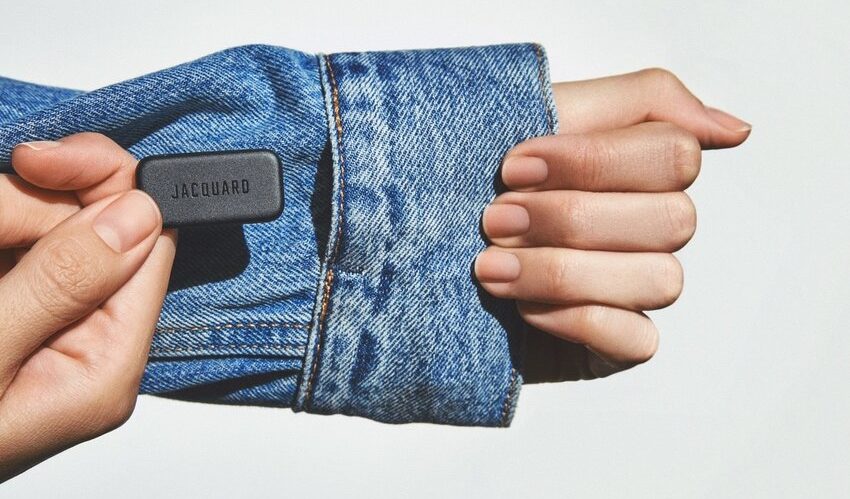 NewsJacquard by Google uses Stratasys PolyJet TechnologyThe brainchild of Google’s Advanced Technology and Projects (ATAP) group, Jacquard by Google is a wearable platform. It enables interactive digital experience through an app and a physical tag, manufactured using Stratasys PolyJet technology. The team chose this technology for&he