Guides
NuVasive prints 3D implants for the spine
Implant manufacturing has never been so fast: thanks to 3D printing, the creation of medical devices is simpler and more patient-friendly. NuVasive has also turned to 3D technologies and specialised in the creation of spinal implants. Today she is looking…
- 3 min read
- Guides
- Six more stories
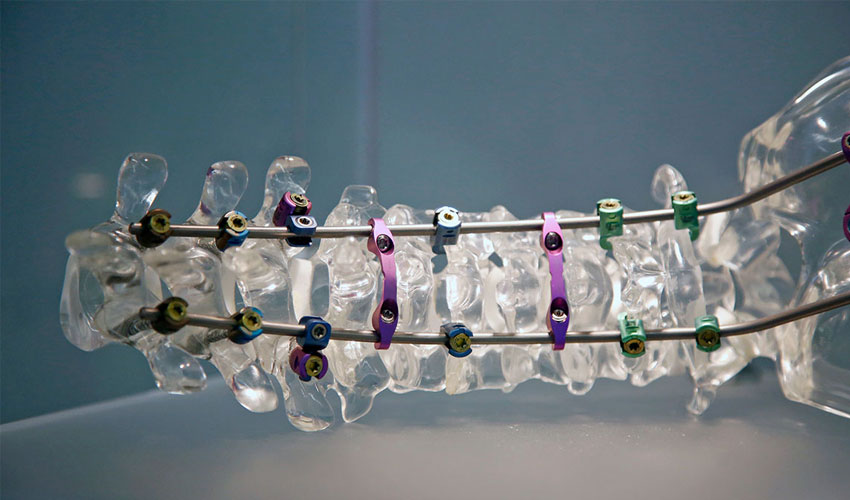
Implant manufacturing has never been so fast: thanks to 3D printing, the creation of medical devices is simpler and more patient-friendly. NuVasive has also turned to 3D technologies and specialised in the creation of spinal implants. Today she is looking to transform spine surgery by offering 3D titanium implants, clinically tested and adapted to the morphology of each patient. We met Shaeffer Bannigan, Development Manager at NuVasive to learn more about the process of creating an implant and its vision of the market.
3DN: Can you introduce yourself and your link with additive manufacturing?
My name is Shaeffer Bannigan and I’m the development manager of NuVasive’s Advanced Materials Science Interbody team. A leader in its field, the company focuses on technological innovation and today seeks to transform spinal surgery through integrated solutions. Our team focuses specifically on additive manufacturing for the development of cross-body spine implants and the surgical instrumentation used to implement them.
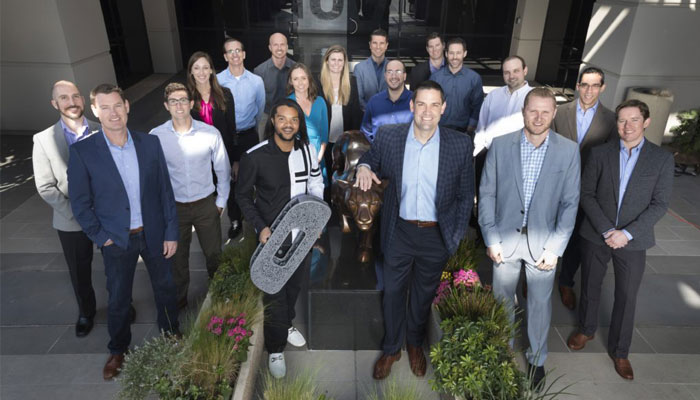
The NuVasive Advanced Materials Science Interbody Team
3DN: Can you tell us more about the process of manufacturing a 3D printed implant?
The manufacturing process at NuVasive begins with a powdered titanium alloy. Once the powder is spread flat on the printing plate in a very thin layer, which can be as thin as a human hair, a high energy laser quickly melts the powder into specified shapes according to the design of the implant. When this layer is finished, more powder is spread over the top and the process is repeated, welding the layers from below to each new layer, thus making it possible to build complex structures with a single internal geometry from the base. A single impression, consisting of 50 to 100 implants, can take several days. However,
More from the desk
Six other notes from the rest of the bench.
 NewsFast Complexity: Efficient and customizable concrete 3D printingAdditive manufacturing is starting to play a very important role in the construction industry. Concrete 3D printing keeps gaining more and more popularity among architects and construction firms for two main reasons – it is cheaper and faster than the…
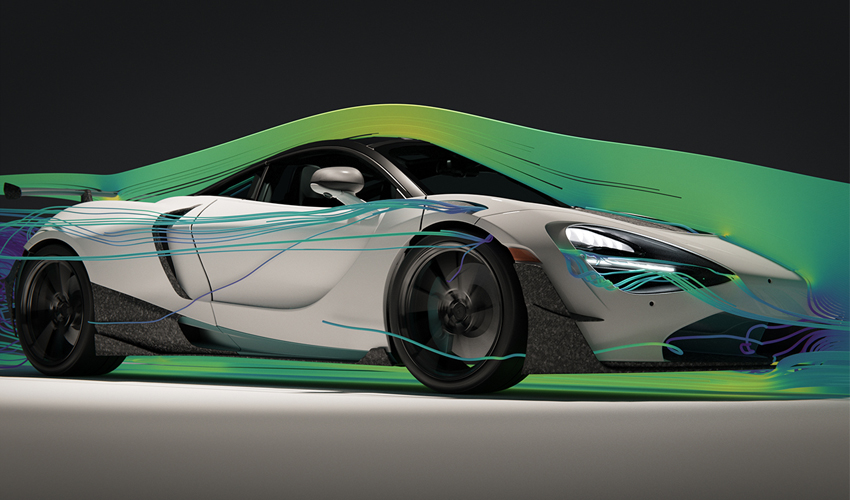 NewsThe new McLaren 720S includes 3D printed partsOne of the greatest advances we have seen in the additive manufacturing industry is the variety of applications it finds in the automotive industry. The customization of high-end vehicles is very important to many potential buyers in order to acquire…
 ApplicationsRelativity Space raises $500M and is one step closer to launching Terran 1 to orbitRelativity Space, the first company to 3D print an entire rocket, has announced that it closed a $500 million Series D equity funding round led by Tiger Global Management. The funding validates Relativity’s sector-leading momentum across commercial execution, technical milestones
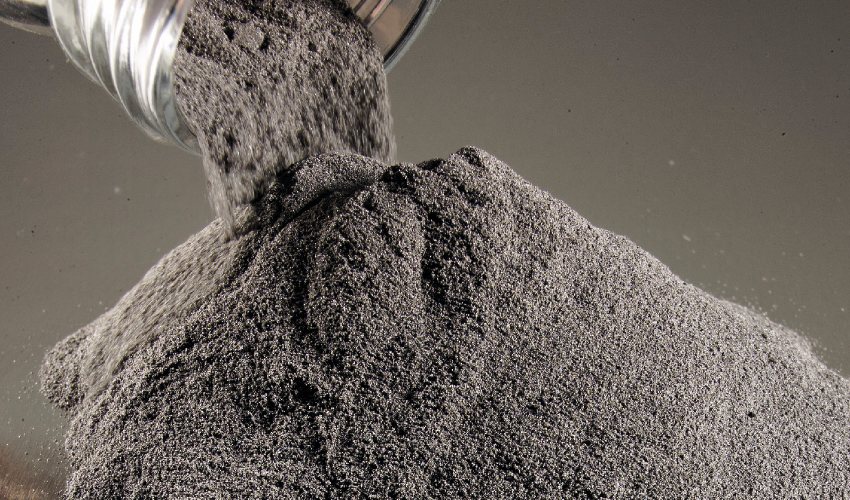 MaterialsA New Tungsten Powder Compatible with Additive ManufacturingAdditive manufacturing with metal is gaining in popularity. This is shown, among other things, by the increasing number of 3D printing companies that specialize in metal manufacturing or offer machines for metal printing. Aluminum, bronze, chrome, stainless steel, iron and&hellip
 News3D printing copper on surfaces can kill COVID-19 virusThe Australian company SPEE3D has developed and tested a fast and affordable way to 3D print antimicrobial copper onto metal surfaces. Laboratory tests have shown that touch surfaces modified by this process kill up to 96% of SARS-CoV-2 – the…
 NewsFormnext Connect: what to expect from the event in 2020?Formnext is one of the largest professional meetings for the additive manufacturing industry and will take place on 10-12 of November this year. Even if it is 100% virtual (due to the global pandemic), the event will try to fulfill…