Guides
Nicole Hone and her “Hydrophytes”, 4D printed aquatic plants
Hydrophytes is a project that seeks to show what plants of the future might look like. Created through 4D printing, their intelligent manufacturing materials allow them to develop movements very similar to real aquatic plants. The creator of this project is Nicole Hone,…
- 3 min read
- Guides
- Six more stories
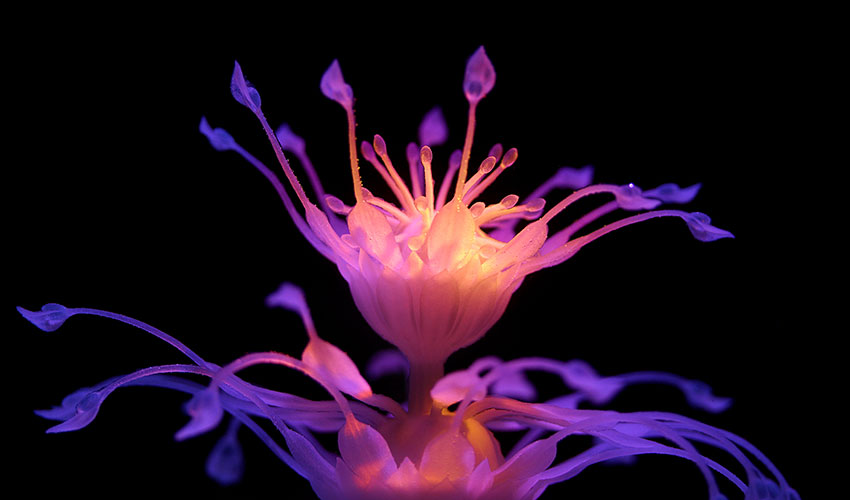
Hydrophytes is a project that seeks to show what plants of the future might look like. Created through 4D printing, their intelligent manufacturing materials allow them to develop movements very similar to real aquatic plants. The creator of this project is Nicole Hone, a New Zealand industrial designer, who introduced Hydrophytes as a new creative mode through 3D printing. We were able to meet her so that she could tell us more and teach the importance of 4D printing in creative and industrial developments.
3DN: Can you introduce yourself and tell us more about your connection to 3D printing technologies?

Nicole Hone
I am an industrial designer based in Wellington, New Zealand. Hydrophytes was created as part of a thesis project for my Masters in Innovation in Design from Victoria University of Wellington that I completed in July 2018. I first discovered 3D printing as as a student in industrial design in 2014. I appreciate the freedom of creation in the forms offered by 3D printing and the ease with which variations of a drawing can be translated into a physical object. The PolyJet Technology. I was particularly interested because I could combine materials with different degrees of flexibility. The ability to design the internal parts and small details of an object with high resolution was a pleasant challenge. I was also captivated by the way digital materials behaved in the same way as living organisms.
3DN: How was the idea of “Hydrophytes” born?
I have always been fascinated by nature, it inspires me a lot in design and aesthetics. For this project, I was particularly interested in botany and marine life. I was surprised by the way marine creatures and corals move and I wanted to reflect the same qualities in my creations. During the first test prints, I discovered that the materials were more fluid and more organic in the water, because the fragile parts were reinforced. At the beginning of my thesis project, I learned that we wanted to review the design of the New Zealand National Aquarium. I thought it would be an opportunity to have a future-oriented exhibition with moving models that visitors could interact with. That idea,
More from the desk
Six other notes from the rest of the bench.
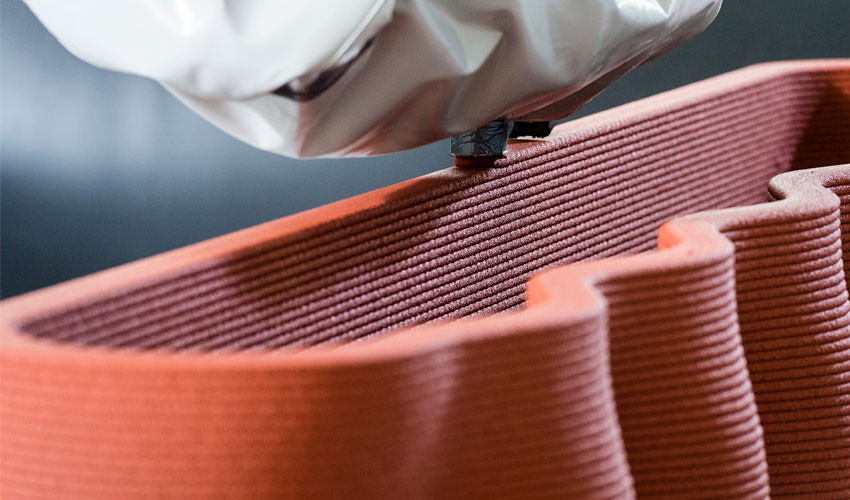 GuidesMeeting with Sika, specialist in concrete 3D printing3D printing applied to the construction sector offers many advantages, whether in terms of cost, time or durability of materials. The actors who have embarked on concrete additive manufacturing are more and more numerous, convinced of the benefits that 3D…
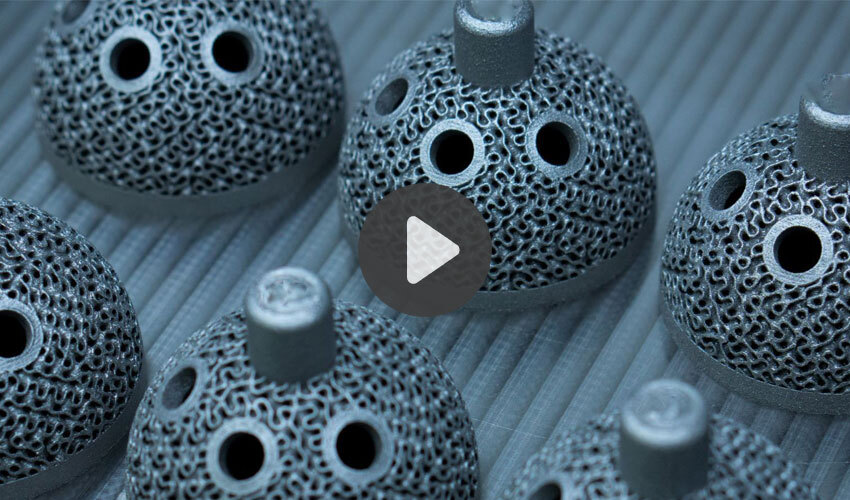 NewsTop 5 Videos: 3D printed orthopaedic implantsThis week we found the top 5 videos about 3D printing and the way additive manufacturing is changing production. The technology has infiltrated many sectors, from medical to automotive – check our selection of the week to keep up with the innovations! If you enjoy these, you&hell
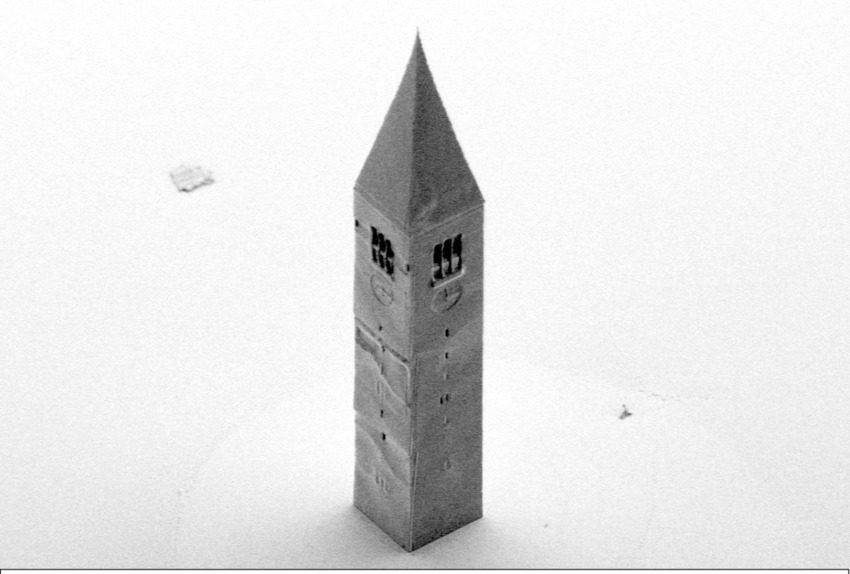 NewsNano-Sized Rendition of Cornell’s McGraw Tower Marks Step Forward for 3D Printing TechnologyEarlier this month, a team led by staff photolithographer Ed Camacho at Cornell NanoScale Science and Technology Facility (CNF), in Duffield Hall created what is thought to be the world’s smallest rendition of Cornell’s iconic McGraw Tower. The tower is…
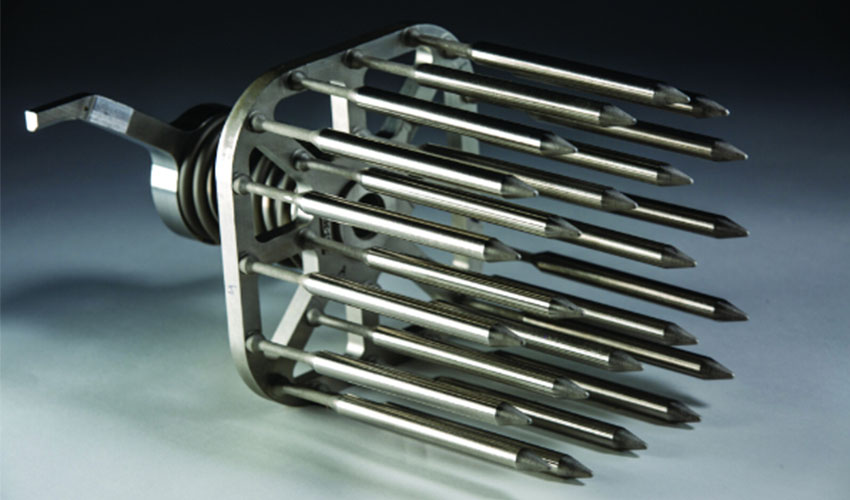 NewsFirst installation of a 3D printed thimble plugging device in nuclear plantThe American nuclear power company, Westinghouse Electric Company, announced it has successfully 3D printed a thimble plugging device for the nuclear industry. A thimble plugging device is used to hold nuclear fuel as it is lowered into the reactor core,…
 Guides3D Evaluate: Assessing industrial 3D printing solutions, and moreFounded by Gil Lavi, a veteran of the additive manufacturing field, 3D Alliances is a successful consulting firm that focuses on helping startups in the 3D printing domain. After the COVID-19 crisis hit the world, the company realized that the…
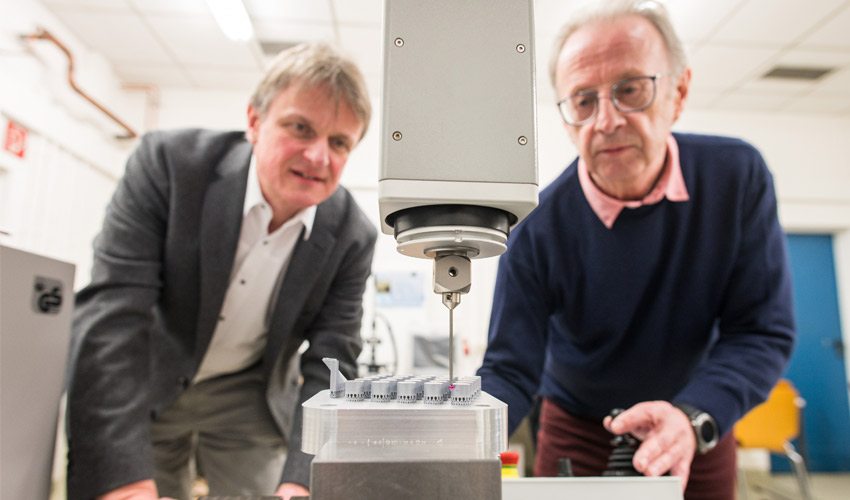 NewsResearchers improve accuracy of 3D printed metal parts with electric currentAs metal additive manufacturing grows, it is not always easy to obtain high quality, high precision parts for specialized and demanding applications. That’s why a team of researchers at Saarland University in Germany has developed a non-contact process based on…