News
3D Printing and Fabrics: The Unique Design Process Behind the Forma Fabrica Vase Collection
With the ever-broadening use of additive manufacturing, the role of the 3D printer has spread from the factory floor to the art studio and beyond, with the 3D printer serving as a medium through which new artistic, conceptual and cultural…
- 3 min read
- News
- Six more stories
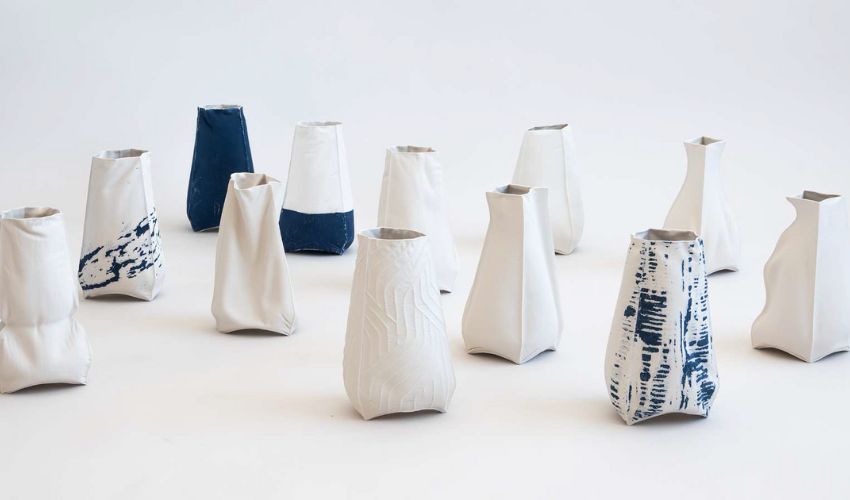
With the ever-broadening use of additive manufacturing, the role of the 3D printer has spread from the factory floor to the art studio and beyond, with the 3D printer serving as a medium through which new artistic, conceptual and cultural creations have arisen. Indeed, 3D scanning technologies have provided people around the world with the opportunity to reconstruct masterful works of art while even providing opportunities for digitally preserving global heritage. The 3D printer is not always in the spotlight however, and it is in these supporting roles that it can help facilitate the creation of new designs and concepts which has seen the 3D printer becoming a common tool in the arsenals of designers, artists and artisans. Such is the case in the latest work by industrial designer and material translator, Nir Neria.
The Forma Fabrica collection is a reimagining of the classical porcelain vase which explores the relationship between different materials and designs. The process involves a ceramic forming method known as slip casting, which allows for the creation of more complex shapes. Traditionally, this would require the use of a plaster mold which would be filled with the liquid porcelain before hardening. Nir Neria has transformed the process into a truly 21st century affair which combines creativity, eco-responsibility and technology by utilizing 3D printing and fabrics to create a new, unique and reusable mold.
Forma Fabrica Brings 3D Printing Into Vase Design
The process begins with computer aided design, or CAD, software, creating an image wherein the vessel is rendered in 3D. During this stage, it is possible to determine the shape of each required piece as well as precisely how they will fit together. Next, the pieces of the mold structure are extruded via 3D printing and are connected to the fabric which is sewn together by the artist. Together, the fabric and 3D printed pieces form the mold which is ready for porcelain slip casting. The liquid porcelain is poured into the mold, and then pumped back out after a layer has formed on the inner walls of the fabric. Having reached the desired firmness, the mold can be disassembled and the piece is ready for the kiln.
More from the desk
Six other notes from the rest of the bench.
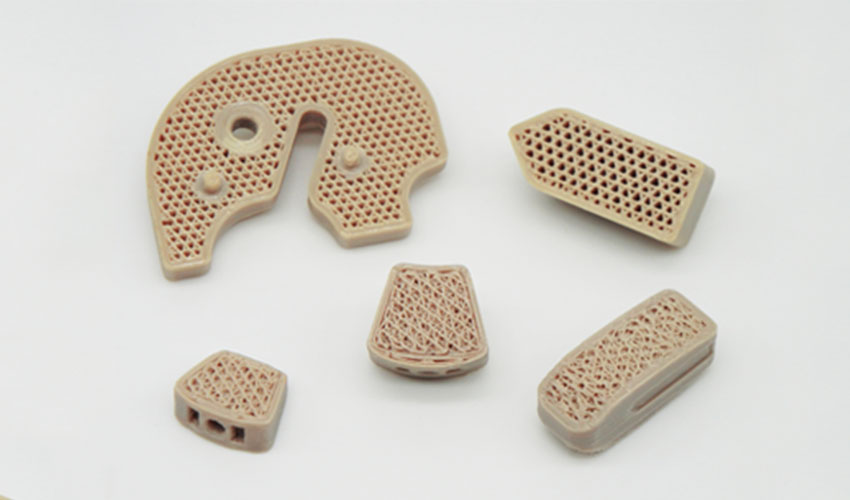 ApplicationsFossiLabs creates PEEK implants to promote bone growthFossiLabs, based in the US, is a startup focused on the development of FDM 3D printers to produce PEEK medical implant devices. As you may have noticed, high-performance thermoplastics such as PEEK have gained a lot of attention in the…
 ApplicationsASC and Austal Partner to Advance Additive Manufacturing for Australia’s Naval ProgramsASC and Austal have signed a new Memorandum of Understanding to accelerate the use of additive manufacturing across Australia’s naval programs. Announced at the 2025 Indo Pacific International Maritime Exposition in Sydney, the partnership focuses on strengthening the domestic AM
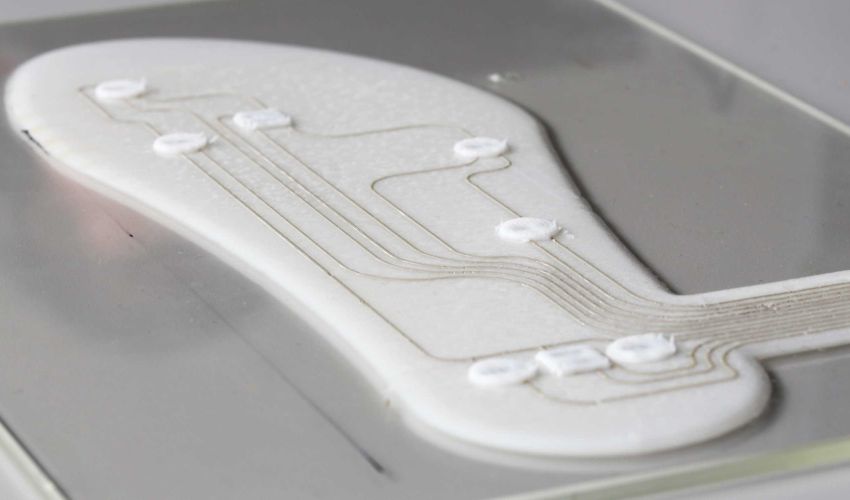 NewsMeasurement In Real Time: Researchers Develop 3D-Printed InsolesDid you know, the American Podiatric Medical Association (APMA) surveyed 1,000 US adults and found that 77% of Americans have experienced foot pain? Now, 3D-printed insoles are set to provide relief. The new development by researchers at the Swiss Federal…
 MaterialsTop 5 Videos: How to Make Your Own 3D Printing Coffee FilamentCan you imagine using a filament for your 3D printer that is made from coffee? Well, this is what one 3D printing enthusiast has figured out after reusing coffee grounds and mixing them with PLA. In this compilation of weekly…
 NewsASTM & AMERICA MAKES release AM data management guideStandards organization ASTM International collaborated with America Makes to compile a strategic guide for additive manufacturing data management, which was recently released under the name “Strategic Guide for Additive Manufacturing Data Management and Schema“ . The guide identi
 GuidesThe 3D Printing Books to Read This YearWorld Book Day is celebrated annually on April 23rd (except in the UK and Ireland where a similar event is observed in March). And as it is coming up fast, so we thought there was no better occasion to present…