Applications
NASA to Conduct 3D Printing Experiments Aboard the International Space Station
The realm of space exploration marks the early stages of humanity’s journey, with countless planets and galaxies awaiting discovery. Moreover, significant strides have been made in recent decades, driven by the discovery of innovative technologies. Additive manufacturing st
- 3 min read
- Applications
- Six more stories
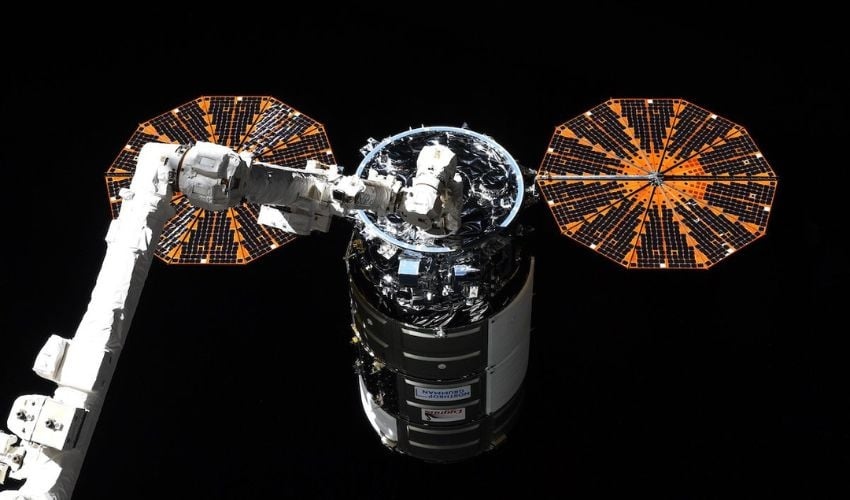
The realm of space exploration marks the early stages of humanity’s journey, with countless planets and galaxies awaiting discovery. Moreover, significant strides have been made in recent decades, driven by the discovery of innovative technologies. Additive manufacturing stands as a prime example, contributing to progress in space research. Illustrating this, the upcoming Cygnus cargo spacecraft mission will transport a 3D printer technology from the European Space Agency (ESA) to the International Space Station (ISS) in late January, heralding a pivotal study on 3D printing capabilities in space.
NASA, launching from Cape Canaveral Space Force Station in Florida, is set to propel Northrop Grumman’s Cygnus into space. Facilitating this journey is Northrop Grumman’s spacecraft aboard the Falcon 9, a rocket from Elon Musk’s company, SpaceX. The mission’s objective is to study 3D printing in space, with the International Space Station (ISS) serving as the platform for its development. This initiative is inspired by recent ESA research, which involved testing metal additive manufacturing in microgravity. ESA’s Rob Postema commented, “This research gives us an initial understanding of how such a printer will behave in space.”
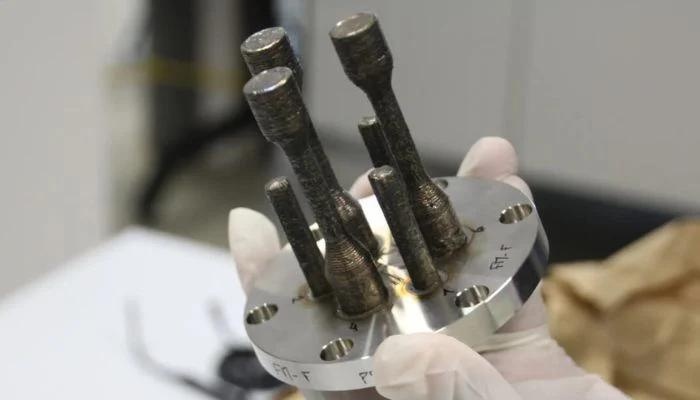
3D printed parts in microgravity
One of the primary challenges encountered during extended human missions in space revolves around the complex and costly nature of resupply efforts. These missions require not only provisions like food but also essential parts and machinery. Should ESA’s research successfully demonstrate the ability to 3D print small metal parts on the ISS through the Cygnus’ onboard printer, the current issues of resupply could take a dramatic turn for the better.
More from the desk
Six other notes from the rest of the bench.
 GuidesAutomated Depowdering Systems for 3D Printed PartsPost-processing after 3D printing is crucial for ensuring the quality and durability of the produced parts. This phase, occurring after printing, involves various processes such as cleaning, surface treatment, and removal of support structures. It is essential for all types&helli
 NewsHeX; 3D printed headphones to protect your hearingThe young designer Elen Parry developed the HeX headphones using 3D printing. It was a part of her graduation project at the Manchester School of Art. The project was realised with the help of Print City, an education and innovation center…
 GuidesThe Best Free STL Files for Back-To-School 3D PrintingAs another September rolls around, getting ready to go back to school is on everyone’s minds. This is the time when students of all ages begin the new school year and continue their education and personal growth. One of the…
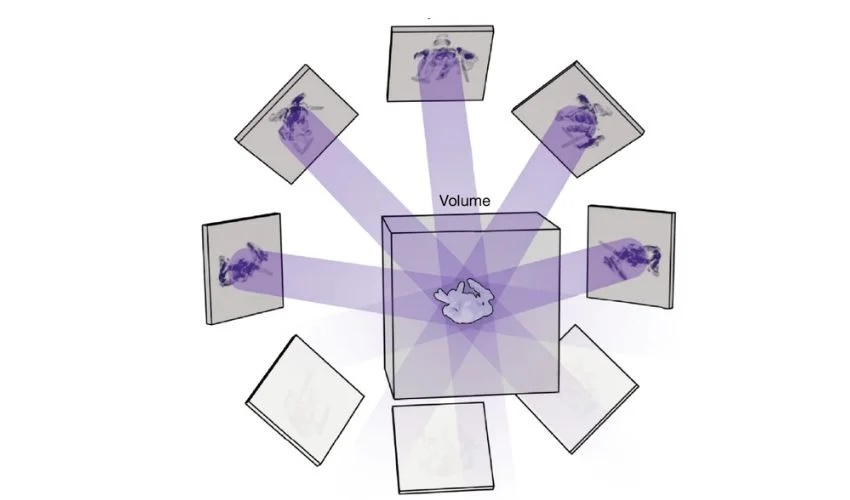 NewsDISH 3D Printing Achieves Millimeter-Scale Objects in 0.6 SecondsA team of Chinese scientists has unveiled its DISH 3D printing process, reportedly achieving complex millimeter-scale objects in just 0.6 seconds while maintaining high resolution. In other words, no more trade-off between speed and precision. While it is still early…
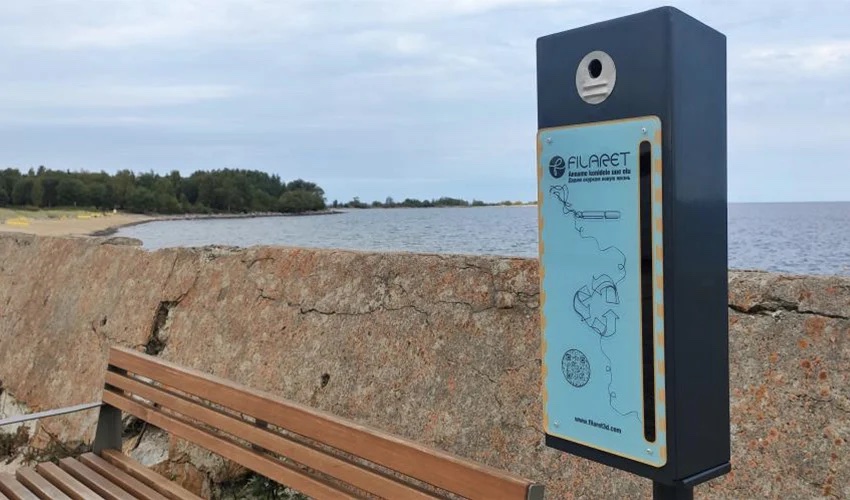 MaterialsFilaret is Recycling Cigarette Butts Into 3D Printing FilamentsfiFilaret, an Estonian startup that makes sustainable 3D printing materials, is working with the Estonian government to turn cigarettes discarded on the country’s beaches into filament. According to local authorities in Tallinn, the capital of Estonia, cigarette butts are o
 GuidesServati Modernizes Italian Footwear with 3D PrintingFor several years, 3D printing has made a full entry into the footwear industry, allowing designers to create their own artistic pieces without aesthetic limits. With the goal of bringing not only innovation but also sustainability to the sector, the…