News
Micro-Printing Technology Allows For Naturally Cooled Concrete to Combat Heatwaves
3D printer manufacturer Microlight3D is the winner of the European FET-Open program, Future Emerging Technology with its microstructured concrete that would allow buildings to cool naturally. Thanks to its micro-printing technology, and more specifically its two-photon polymeriza
- 3 min read
- News
- Six more stories
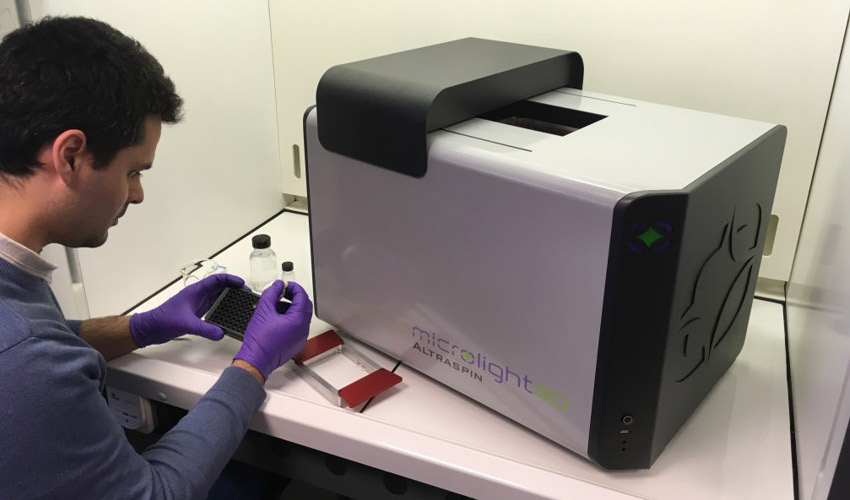
3D printer manufacturer Microlight3D is the winner of the European FET-Open program, Future Emerging Technology with its microstructured concrete that would allow buildings to cool naturally. Thanks to its micro-printing technology, and more specifically its two-photon polymerization technology, the company hopes to reduce the environmental impact of concrete construction and offer a greener alternative.
It’s been two years since the company revealed its Altraspin machine, a printer offering submicron resolution. It could thus create objects of less than 0.2 microns wide. The company has most recently revealed the smallest pyramid of 3D printed champagne flutes as well as the world’s smallest replica of the Statue of Liberty. This time, it is embarking on a project related to construction by joining the European consortium MIRACLE with 5 universities. The project is spread over 4 years and includes German, Belgian, Italian and Spanish researchers.
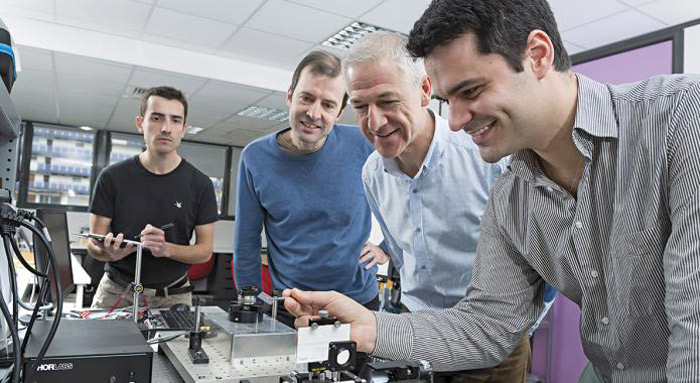
Microlight3D has developed a two-photon polymerization technology (photo credits: E.Tolwinska)
Microlight3D will rely on its two-photon polymerization process to design microstructures that will be used as concrete molds. The press release states, “With the concrete formed using these unique molds, it will be possible to insert microfibers within the microtopographies to create a “photonic metamaterial” that can convert the sun’s heat into infrared wavelengths that are then projected back into the atmosphere. In turn, buildings made from this material would theoretically be able to expel heat back into outer space without using additional energy.”
More from the desk
Six other notes from the rest of the bench.
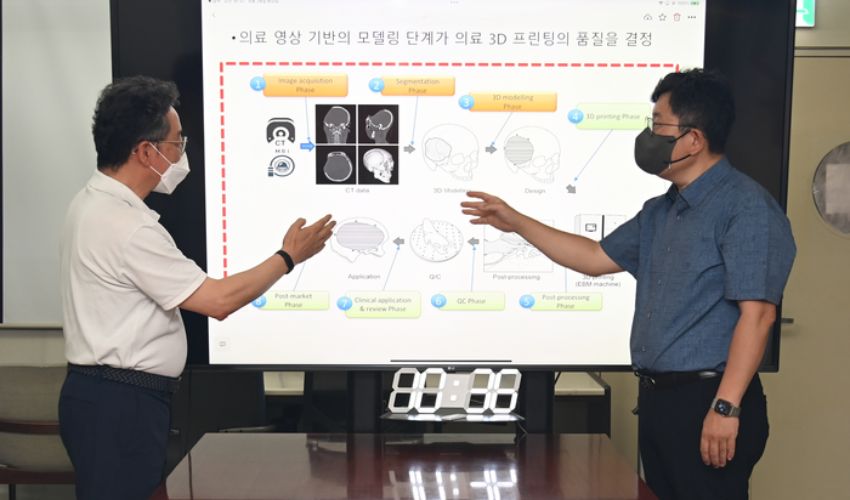 ApplicationsKorean Researchers Are Leading the Charge for International Standardization for Medical 3D PrintingIncreasingly, we have seen that 3D printing is becoming more and more commonplace in the healthcare sector. From surgical guides to prostheses and more, additive manufacturing’s flexibility and ability to customize are highly valued in the industry. That being said,…
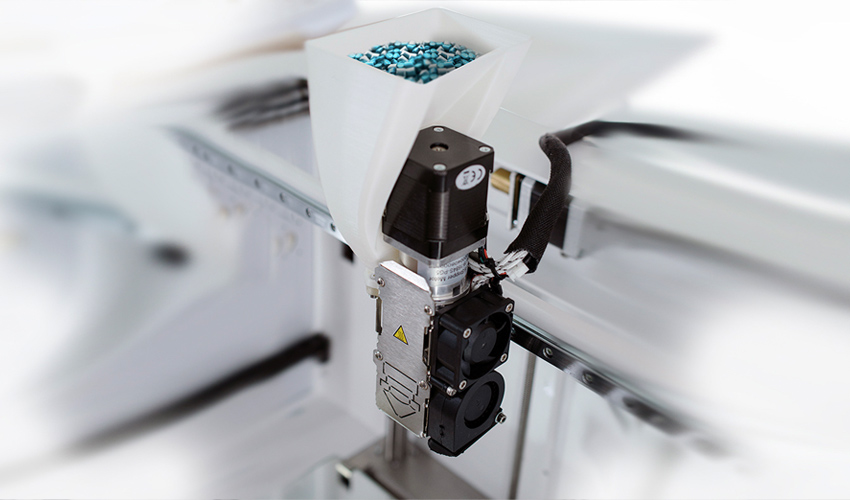 MaterialsTumaker on the 3D Printing of Pellets Adapted to Production RequirementsAs 3D printing technologies gain prominence in different application sectors, more and more companies are considering taking advantage of the benefits offered by the manufacturing process. The main method they tend to opt for is the fused deposition modeling (FDM),…
 Printers3E Metal Deposition: Meltio’s new metal technology comes to FormnextA few weeks ago we introduced you to Meltio, the new actor in metal additive fabrication, who will showcase its new 3E Metal Deposition technology and M450 3D printer during the new edition of Formnext. The difference between Meltio’s 3D…
 NewsCan Additive Manufacturing Help Cargo Ships Become More Eco-Friendly?Today’s cargo ships are powered by large, complex engines that represent a strategic challenge for the maritime industry, which has been seeking to become more sustainable for several years. The industry is looking to optimize the parts of these engines,…
 Applications3D Printed Microfluidic Device to Screen Drugs for Oral Cancer TreatmentDid you know scientists can test how individual cancer patients will respond to drugs before they take them? One method for this research, called functional drug testing (FDT), involves placing patient-derived tumor cells in microfluidic devices to see how they…
 ApplicationsResearchers 3D print functioning human heart pumpAt the University of Minnesota, researchers have 3D printed a functioning centimeter-scale human heart pump. Scientists believe that this discovery could have some major implications for studying heart disease, one of the leading causes of death in the United-States, killing&hell