News
Hot Isostatic Pressing VS Annealing: Which Heat Treatment Should You Choose?
As additive manufacturing continues to industrialize, post-processing is becoming ever more crucial. Through this critical stage, users can improve parts, making them stronger and denser or even giving them specific properties, ensuring they can be used for important end-use appl
- 3 min read
- News
- Six more stories
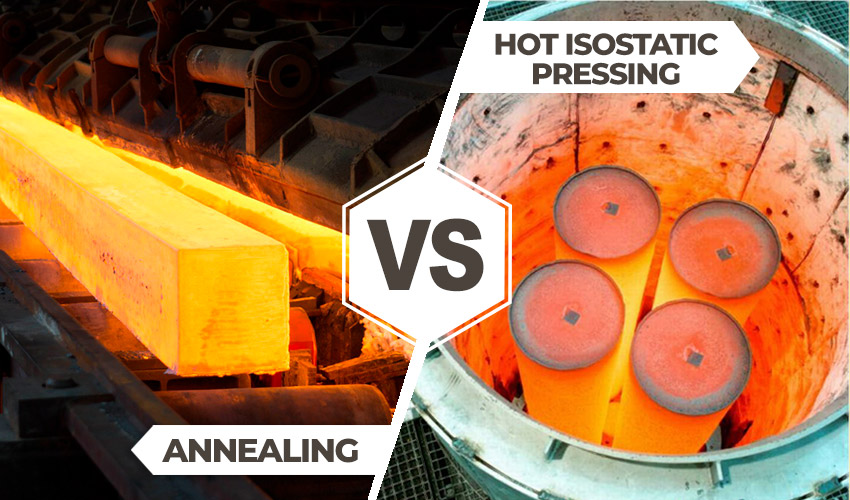
As additive manufacturing continues to industrialize, post-processing is becoming ever more crucial. Through this critical stage, users can improve parts, making them stronger and denser or even giving them specific properties, ensuring they can be used for important end-use applications. Out of all the different types of post-processing, one of the most important for powder bed 3D printing—especially for metals—is heat treatment.
But which heat treatment is suitable for a part? How does it work? To answer these questions, we wanted to look at two commonly used heat treatment processes: hot isostatic pressing (HIP) and annealing.
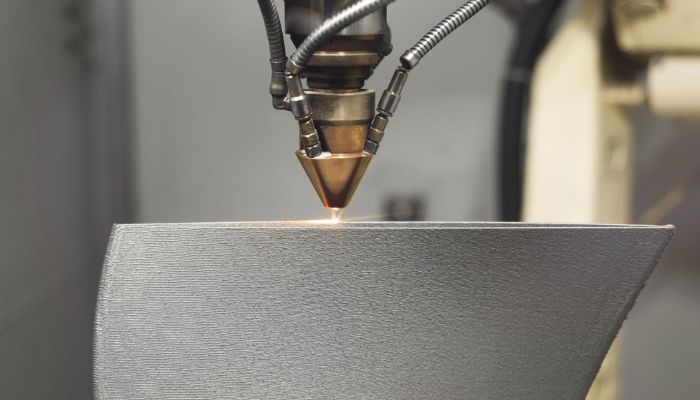
A metal part being additively manufactured (Image credit: Industrial Metal Service)
Both are compatible with metal processes, including LPBF, EBM, binder jetting, DED and even nanoparticle jetting. They also can be used with ceramics and polymers, although to differing extents. They also have many benefits, namely strengthening materials, making them easier to work with and improving material properties. At their most basic, these two techniques will optimize components, but their processes—and specific outcomes—differ.
More from the desk
Six other notes from the rest of the bench.
 MaterialsStratasys Expands Availability of RadioMatrix™ Radiopaque Material to the United StatesStratasys has announced full U.S. availability of RadioMatrix™, its radiopaque 3D printing material designed for advanced medical imaging education, device testing, and research. The material was previously limited to select programs in Europe. It is now available for healthcare
  NewsPorsche to 3D Print Spare Parts for their Luxury CarsGerman luxury car manufacturer Porsche has recently announced that it will enter the 3D printing market. This move is to begin the development of spare parts for some of their classic cars so they last longer before becoming unusable. We…
 ApplicationsUS Navy Continues Onboard 3D Printing Initiative for Enhanced Self-SufficiencyIn further efforts towards operational self-reliance, the USS San Diego has leveraged the potential of additive manufacturing with the adoption of a Xerox ElemX 3D printer onboard. Housed within a dedicated 20-foot container within the ship’s main vehicle stowage area,&hell
 NewsOregon Dragon Bench, MX3D’s Nearly 33-Foot 3D Printed Metal SeatMX3D, a specialist in the WAAM (Wire Arc Additive Manufacturing) process, has unveiled its latest construction project: a 3D printed metal bench, with a rather surprising design, as it is shaped like an open loop. Named Oregon Dragon Bench, this…
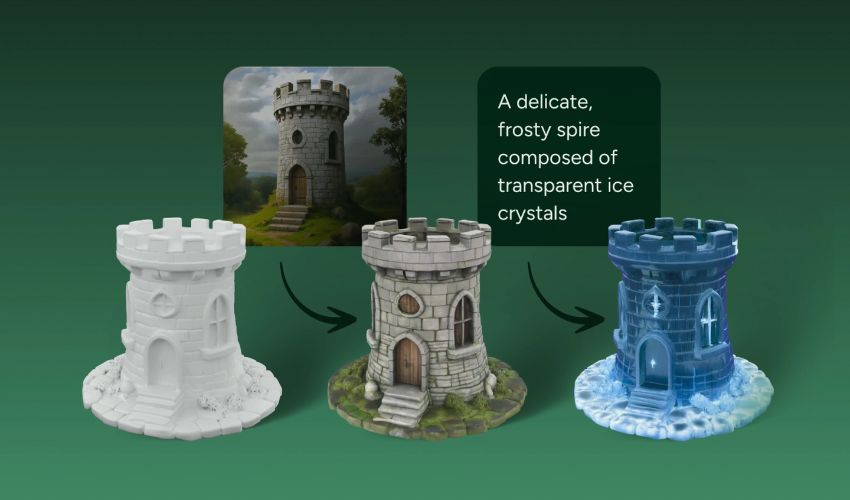 SoftwareMeshy Raises Nearly $400 Million in Series B, Valued at $1.5 BillionWe just wrote about Meshy’s 3D Agent, which turns photos and prompts into print-ready 3D models, and now, we have another update: the AI 3D model generator announced today that it raised nearly $400 million in a Series B round…
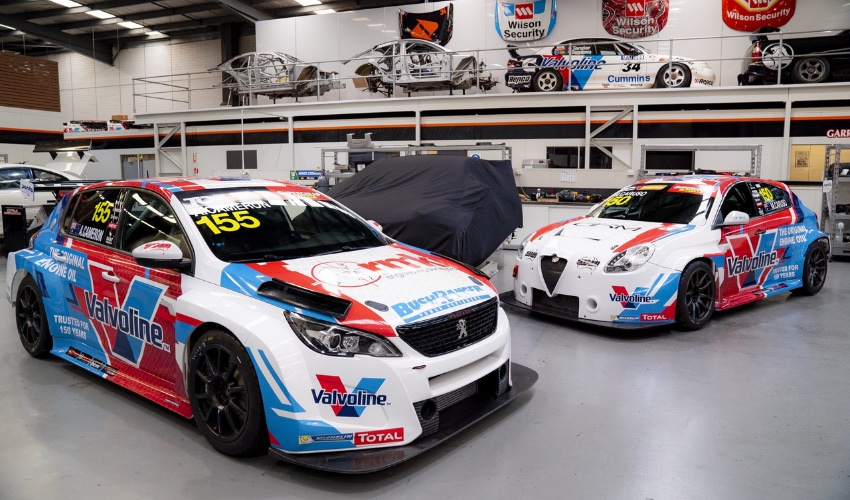 ApplicationsGarry Rogers Motorsport Has Turned to AM for its CarsMany automotive manufacturers face similar challenges around the production of complex parts and those that are made in smaller quantities. In particular, the costs required for this are immensely high and also lead times are usually not fast enough. This…