Printers
LulzBot unveils its first open-source bioprinter
Last June, Aleph Objects announced its collaboration with FluidForm, the two companies were setting out to create a new bioprinting hardware with the long-term goal of creating real functional tissues. Aleph Objects, the manufacturer of LulzBot 3D printers decided to…
- 3 min read
- Printers
- Six more stories
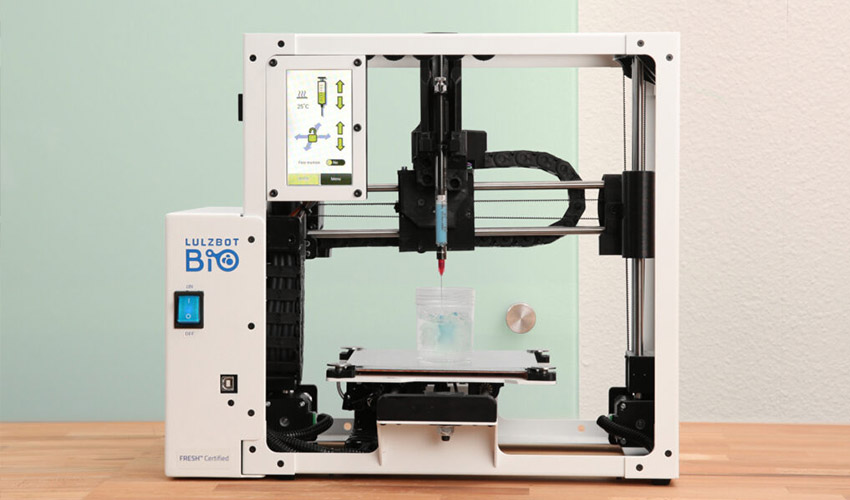
Last June, Aleph Objects announced its collaboration with FluidForm, the two companies were setting out to create a new bioprinting hardware with the long-term goal of creating real functional tissues. Aleph Objects, the manufacturer of LulzBot 3D printers decided to partner with FluidForm because of its innovative technique in bioprinting. FluidForm’s proprietary technology is called FRESH (Freeform Reversible Embedding of Suspended Hydrogels) and enables the creation of bioinks and other soft materials. At the beginning of August, researchers from Carnegie Mellon University were coming one step closer to the creation of functional 3D printed organs by using this exact technology from FluidForm.
The new bioprinting hardware from LulzBot and FluidForm is finally available for pre-order. The open-source Fluid Deposition Fabrication (FDF) bioprinter is called LulzBot Bio, and should start being shipped out in November. It will enable bioprinting of unmodified collagen, bioinks and other soft materials.
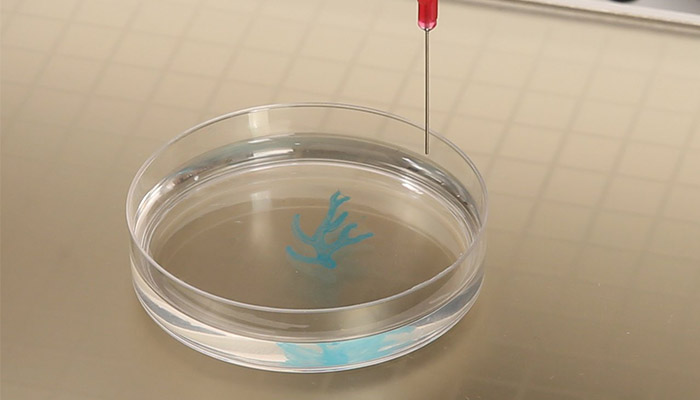
A 3D printed artery structure on the new LulzBot Bio, optimized for FRESH printing | Credits: LulzBot
During the summer, researchers at Carnegie Mellon explained the benefits of the FRESH process after successfully bioprinting heart valves from unmodified collagen. In fact, they were able to create complex scaffolding with unmodified collagen right from the start of the printing process by using a temporary support gel. The gel acted as a printing medium as it allowed to maintain the extruded biomaterials in place, minimising the risk of deformation. This gel was then heated to easily remove the bioprinted part.
More from the desk
Six other notes from the rest of the bench.
 ApplicationsUpcoming Trial to Use 3D Bioprinting in Improving the Treatment of Extensive BurnsBurns are the cause of death of around 180,000 people each year, according to the WHO. Severe burns, especially those affecting a large part of the body, are still a major challenge for modern medicine. Current treatments consist of skin…
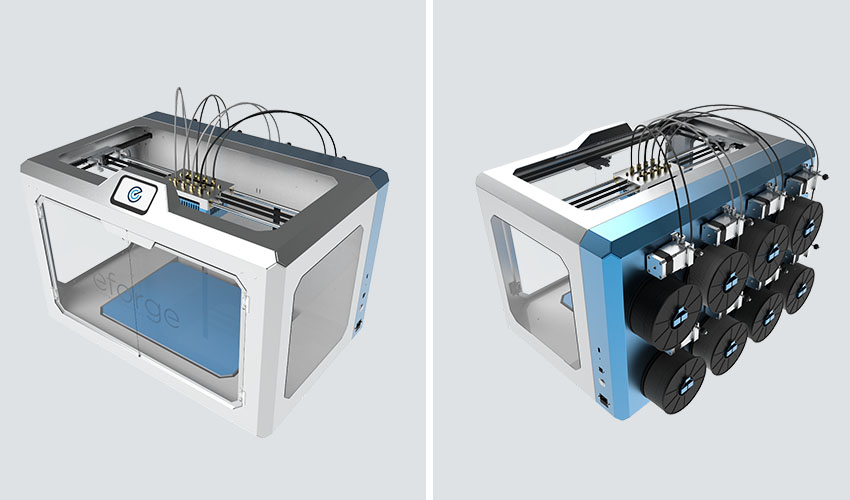 PrintersElectronic Alchemy develops eForge electronics 3D printerThe electronics industry is a young yet growing area of 3D printing. Until now, this sector was mostly used for prototyping purposes, however higher-volume additive manufacturing of electronics are in demand and solutions should grow in the years to come.…
 NewsA 3D Printed Air Cooler Could Be an Environmentally Friendly Alternative to Air ConditioningAccording to scientists worldwide, 2023 has been the hottest summer in history. Understandably, this has drawn ever more people not only indoors but to air-conditioned areas to find relief. However, unfortunately, AC units is not the most environmentally friendly. Not…
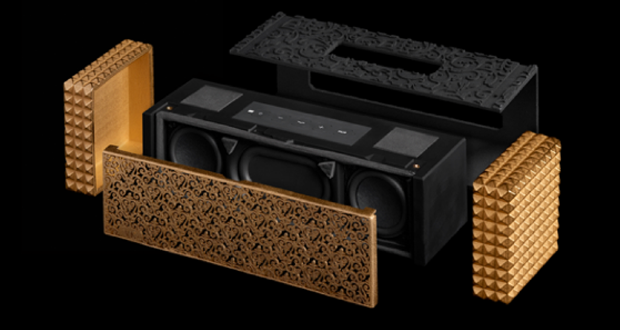 NewsRemix, the customizable speaker that uses 3D printingItalian audio device manufacturer, V-Moda, have released their new Bluetooth speaker and headphone amplifier, the ‘Remix’. Starting at a price of $300, the company has incorporated 3D printed custom-made parts, such as luxury shields and caps for headphones and ear…
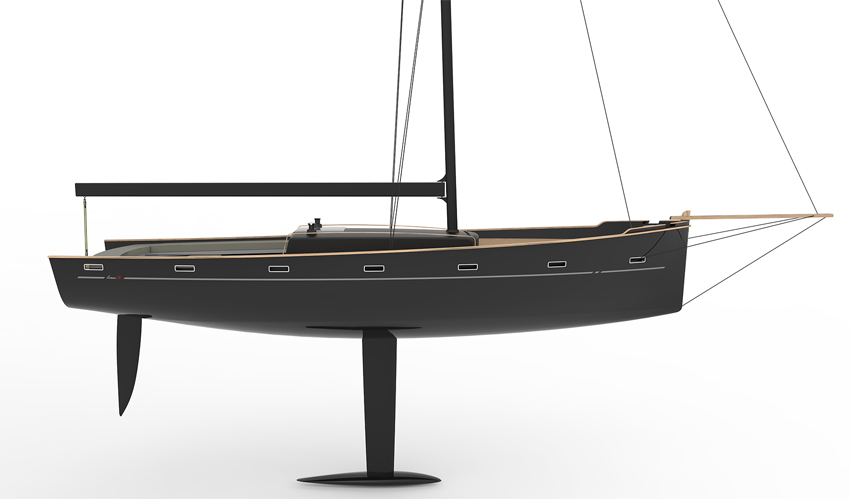 GuidesLivrea: crossing the Atlantic in a 3D-printed yachtLivrea is a new company that is doing some almost unbelievable things. They have constructed a yacht using 3D printing, and to show off just how good it is, they’re going to sail the Atlantic in it. After hearing this,…
 MaterialsHow Does 3D Printing With Pellets Work?The classic FDM 3D printing process consists of creating layers by depositing a molten material, usually in the form of plastic filament. Recently, however, a new way to use this manufacturing technology is emerging, moving away from coils to the…