Guides
Lufthansa Technik continues to leverage 3D printing technologies for its aircraft
The aerospace industry has been one of the earliest adopters of additive manufacturing technologies. Aerospace companies see an undeniable advantage in investing in 3D printing as it is extremely important for prototyping and tooling applications as well as end-part production.&h
- 3 min read
- Guides
- Six more stories
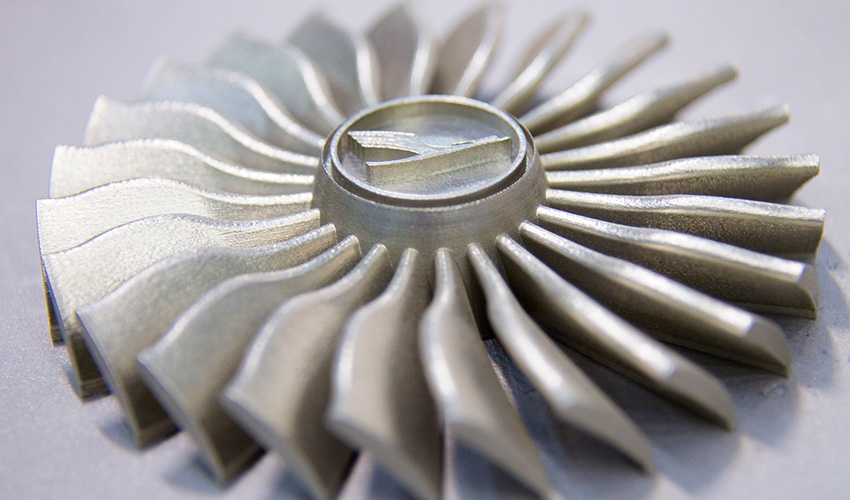
The aerospace industry has been one of the earliest adopters of additive manufacturing technologies. Aerospace companies see an undeniable advantage in investing in 3D printing as it is extremely important for prototyping and tooling applications as well as end-part production. The Gartner Hype Cycle also predicted that 3D printing in aerospace and defence would reach its plateau of productivity in 5 to 10 years – not too long from now! Lufthansa, one of the largest airline companies in Europe has been integrating additive manufacturing for the production of some of its aircraft parts. More specifically, it’s Lufthansa Technik, the Maintenance, Repair and Overhaul (MRO) division of Lufthansa that established an additive manufacturing centre in Germany for the development of these parts. In order to learn more about the division’s activities we spoke to Dr. Aenne Köster, Head of Lufthansa Technik’s AM Center!
3DN: Could you briefly introduce yourself and your connection to additive manufacturing?
My name is Aenne Köster, I have a PhD in materials science and have been head of the Additive Manufacturing Center (AM Center) at Lufthansa Technik since early 2018.
3DN: Why did you decided to create the AM Center? What are its goals?
Dr. Aenne Köster
Lufthansa Technik has opened the cross-divisional AM Center with the aim of bundling and expanding the competence and experience that the MRO (maintenance, repair and overhaul) company has gained with this new technology in the past. This is intended to increase the maturity of the technology and promote the development of new products.
More from the desk
Six other notes from the rest of the bench.
 NewsMakerBot and Ultimaker Announce MergerIf there is one thing that is certain in life, it is that the additive manufacturing market never sleeps. And after a busy 2021 in terms of mergers and acquisitions, 2022 is continuing the trend. Today two of the leaders…
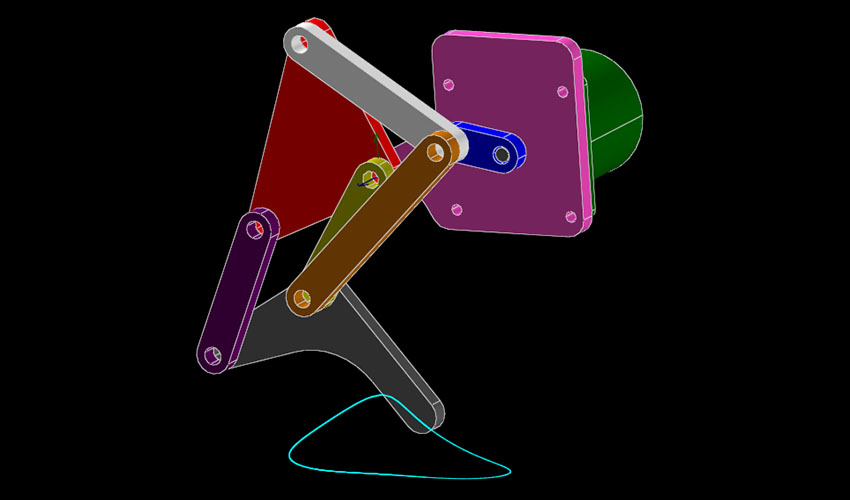 NewsWhat trends will shape the CAD sector during the next 5 years?A recent report from the international market research firm Business Advantage revealed the global 2018/2019 CAD trends we can expect. The research firm had released a similar report in 2014 – therefore, his new data allows comparison with results from…
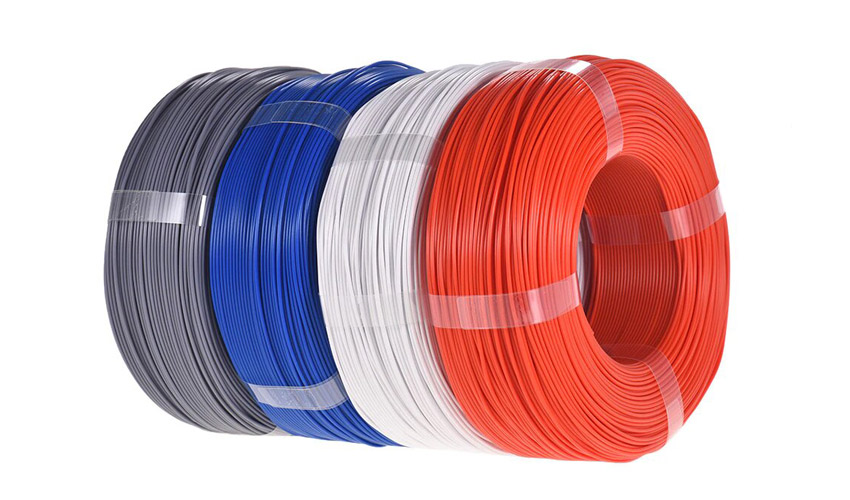 MaterialsRefill: The Spool-Less Filament to Reduce Plastic WasteIt is a common problem that users of fused deposition modeling (FDM/FFF) 3D printing face: what to do with the large amount of empty plastic spools? While some recycle them, many throw them away in a garbage can, thus making…
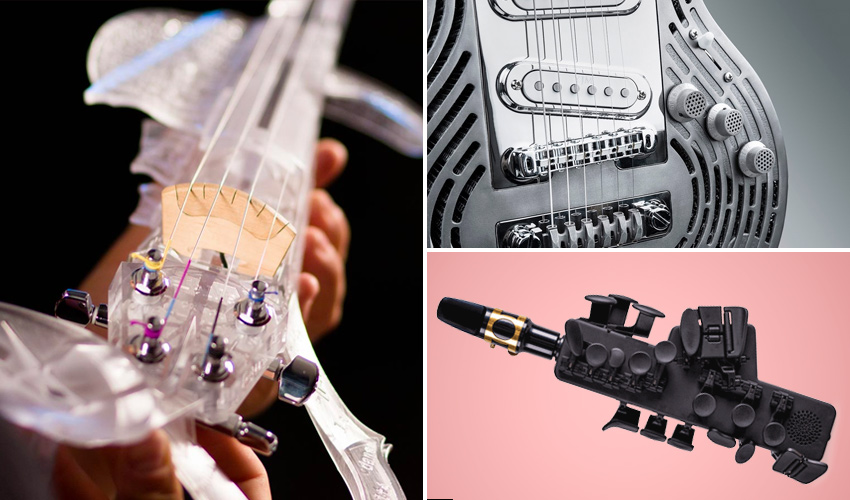 GuidesThe Most Remarkable Musical Instruments Created Through 3D PrintingTo celebrate Music Day, we have curated a list of the top 3D printed musical instruments for you at 3Dnatives. The beauty of 3D printing in the realm of music lies in its ability to offer unparalleled freedom in instrument…
 MaterialsDoD Awards $4.5 Million to Ceramics 3D PrintingThe United States pioneered the use of additive manufacturing in the defense sector, and their Department of Defense (DoD) continues to fund additive manufacturing research to this day. Through the Office of Naval Research (ORN), the DoD awarded a $4.5…
 ApplicationsTeam Given Patents for Humanity Award For 3D Printed Nasal SwabsThe devastation of the Covid-19 pandemic left almost 7 million people deceased worldwide, and led people from all walks of life to pull together to help each other. In recent recognition of this community spirit, the University of Southern Florida…