Applications
Loughborough Research Helps Launch Fully 3D Printed Titanium Bike
A new chapter in performance cycling has opened with the debut of Speedform, a fully 3D printed titanium road bike developed by British manufacturer J.Laverack and supported by aerodynamic expertise from Loughborough University. Unveiled at the Rouleur Live show in…
- 3 min read
- Applications
- Six more stories
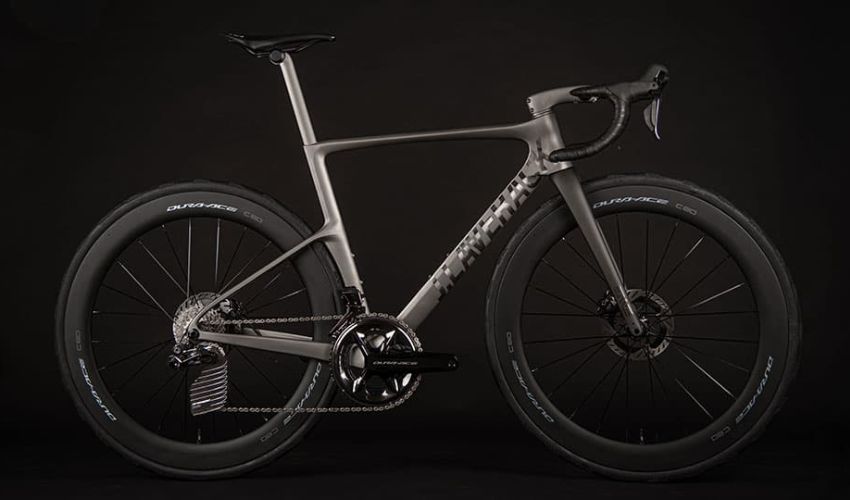
A new chapter in performance cycling has opened with the debut of Speedform, a fully 3D printed titanium road bike developed by British manufacturer J.Laverack and supported by aerodynamic expertise from Loughborough University. Unveiled at the Rouleur Live show in London, the bike represents one of the most ambitious uses of metal additive manufacturing in the cycling world.
Speedform is produced entirely through 3D printing, with the frame split into three titanium sections that are printed, joined, and finished into a seamless aerodynamic structure. Freed from the constraints of traditional tube-and-lug construction, the design team was able to sculpt the bike around airflow needs rather than fabrication limits. The result is a frame built to fit each rider with millimetre-level precision, paired with aerodynamic shaping that would be impossible using conventional methods.

Loughborough CFD tests show Speedform slashes drag by up to 26%, saving as much as 17 watts.
To validate these design decisions, J.Laverack partnered with Loughborough University for advanced computational fluid dynamics testing. Professor A. Duncan Walker led the analysis, comparing the new bike to the company’s existing road model. The testing showed a drag reduction of 20 to 26 percent between 30 and 48 kilometres per hour, which translates to energy savings of up to 17 watts. According to Professor Walker, the gains were the product of intelligent form-finding made possible through additive manufacturing.
More from the desk
Six other notes from the rest of the bench.
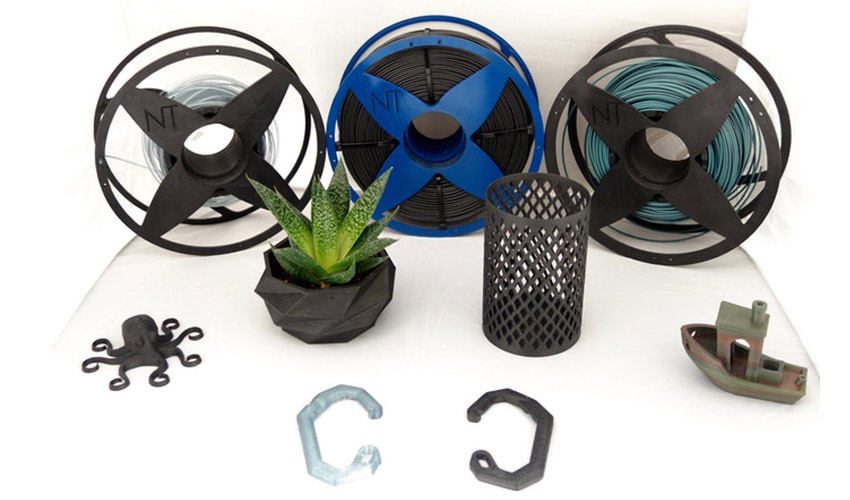 MaterialsNefilatek and its 100% recycled 3D printing filamentNefilatek is a young Canadian company that has just launched its range of 100% recycled 3D printing filaments. Founded in 2018 after a successful Kickstarter campaign, the startup aims to offer more environmentally friendly materials and make 3D printing a…
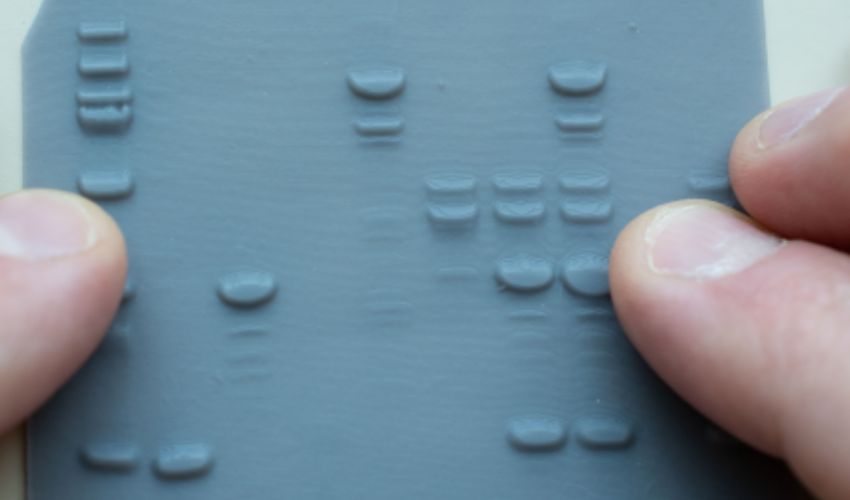 Applications3D Printing Could Improve Accessibility By Helping Blind Scientists to Read DataAccessibility, especially in academia, has been a topic of conversation for quite some time. People with a wide range of disabilities have the right to certain accommodations in order to allow them to work or study at the same level,…
 GuidesTOP 5 videos of the week: 3D printed surfboard and much more!We found the TOP 5 videos of the week related to 3D printing and additive manufacturing here. Share your videos and comment on the article below or on the 3Dnatives’ Facebook or Twitter account. Hope you’ll enjoy and have a…
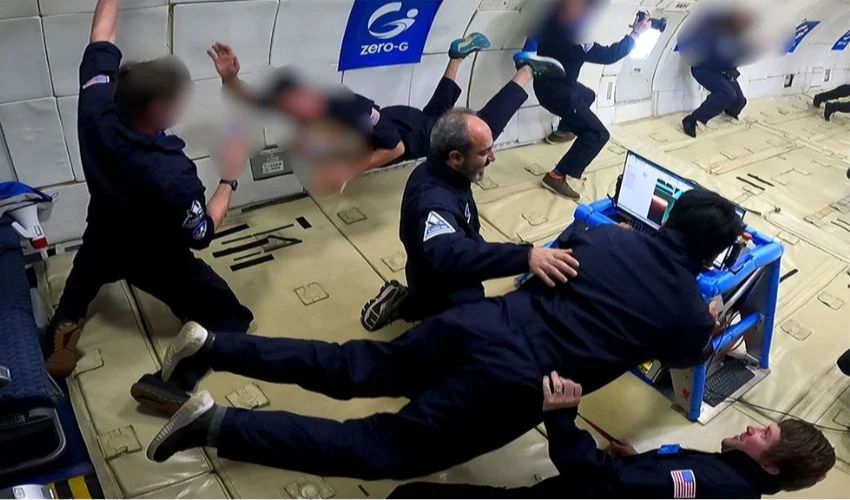 Applications3D Printer Successfully Tested on Parabolic Flights3D printing in space is no longer a myth: it’s possible to design 3D parts in such a demanding environment, where gravity presents obvious constraints and obstacles. Numerous projects have demonstrated that it is possible to create a wide variety…
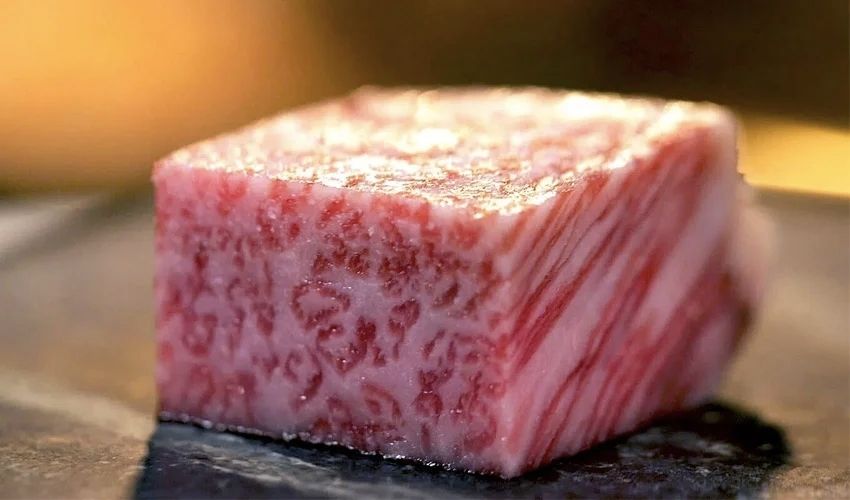 NewsWill 3D Printed Kobe Beef Soon Be on Our Plates?Alt Farm, a young startup based in Hong Kong, has started to produce food from plant proteins, all thanks to 3D printing. In particular, it has developed a special nozzle, which allows to include very specific textures in its products,…
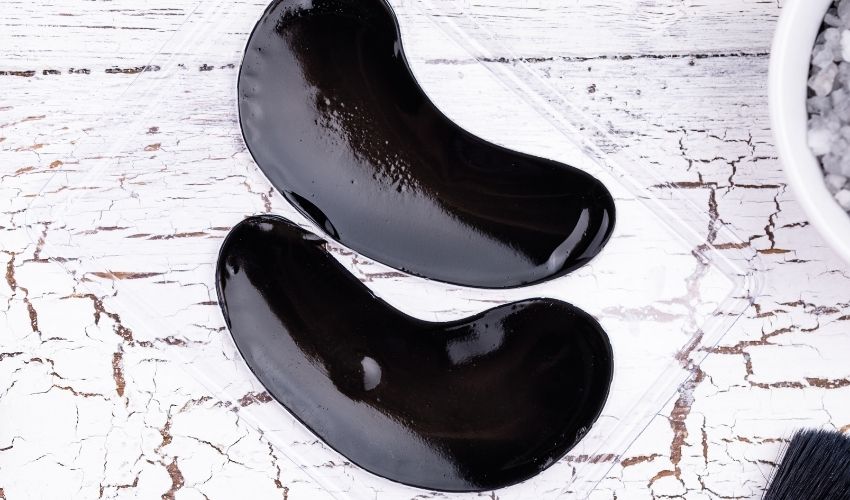 NewsBASF & Natural Machine to Create Customized 3D-Printed Skincare Masks & Eye PatchesCompanies in the skincare sector have been creating innovative solutions by applying various 3D printing technologies. From cosmetics to bandages, to actual bio-printed skin that can be used to eliminate the need for testing products on animals, the 3D printing…