Guides
Why did L’Oréal invest in additive manufacturing?
Many industrial groups have relied on additive manufacturing to gain agility, offer more innovative products or lighten production processes that are sometimes too cumbersome. For consumer goods, it brings above all greater customization, a significant advantage since it is now&h
- 3 min read
- Guides
- Six more stories

Many industrial groups have relied on additive manufacturing to gain agility, offer more innovative products or lighten production processes that are sometimes too cumbersome. For consumer goods, it brings above all greater customization, a significant advantage since it is now possible to offer tailor-made solutions, which would otherwise be impossible to design. The giant L’Oréal began its interest in 3D technologies nearly 26 years ago to design more innovative packaging. Since then, the French group has diversified its uses and has around 60 3D printers worldwide today. We met with Anne Debauge, Additive Community Leader, and Matthew Forrester, Additive Technical Leader, to understand what additive manufacturing brings to L’Oréal and what its future plans are.
3DN: Can you introduce yourself and your relationship with additive manufacturing?
Matthew: Hi, Matthew Forrester, I’m responsible for deploying additive manufacturing at our sites where the technology can bring agility in the areas of prototyping, industrial tools, direct production, and more broadly where it can create solutions that generate benefits.
Hello, Anne Debauge. My mission is to accelerate the implementation of new technologies to reduce the development time of our products, and within this framework, my role is to lead the entire additive manufacturing community.
More from the desk
Six other notes from the rest of the bench.
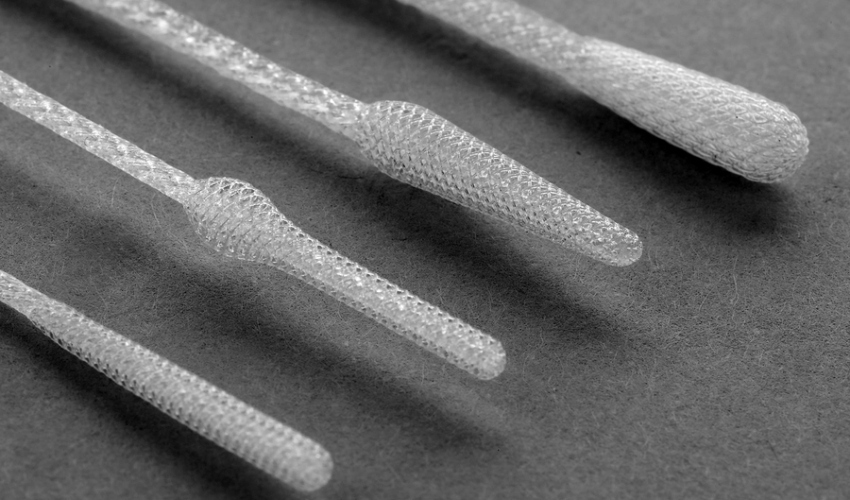 ApplicationsMIT Spinout Uses 3D Printing to Create More Effective COVID-19 Nasal SwabsMIT spinout, OPT Industries has used novel additive manufacturing systems to develop intricately designed products, including a novel nasal swabs to be used for Covid-19 testing. Founder, Jifei Ou, previously spent seven years spent researching 3D systems in MIT’s Media…
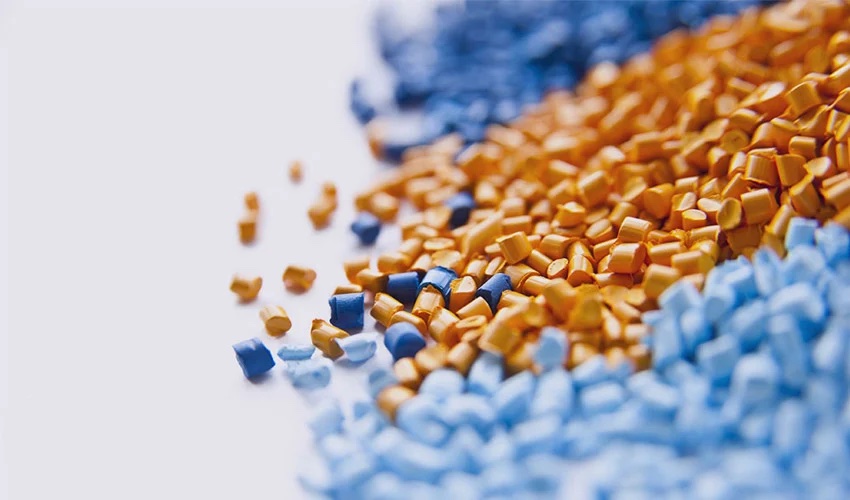 MaterialsThe High-Performance Polymer Market Is Showing GrowthBlueWeave Consulting, a strategic consulting and market research firm, has released a new study on the high-performance polymer 3D printing market, showing very positive results for this segment. Indeed, it is expected to reach a value of $184.5 million by…
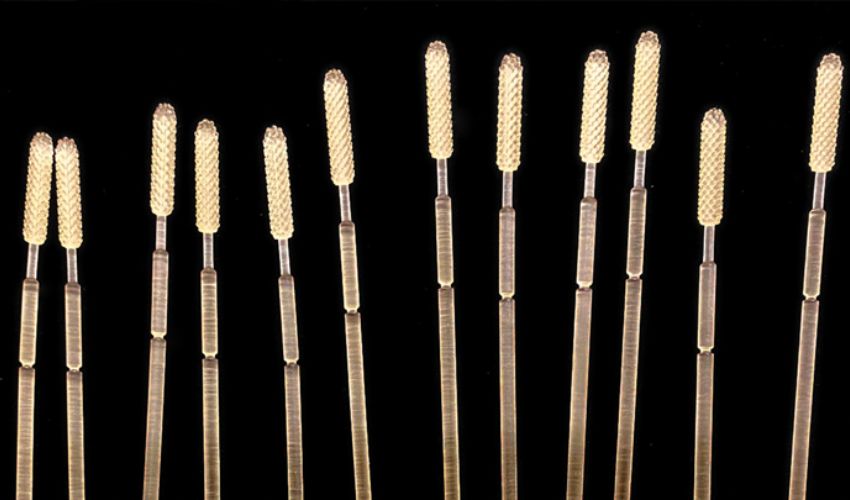 ApplicationsTeam Given Patents for Humanity Award For 3D Printed Nasal SwabsThe devastation of the Covid-19 pandemic left almost 7 million people deceased worldwide, and led people from all walks of life to pull together to help each other. In recent recognition of this community spirit, the University of Southern Florida…
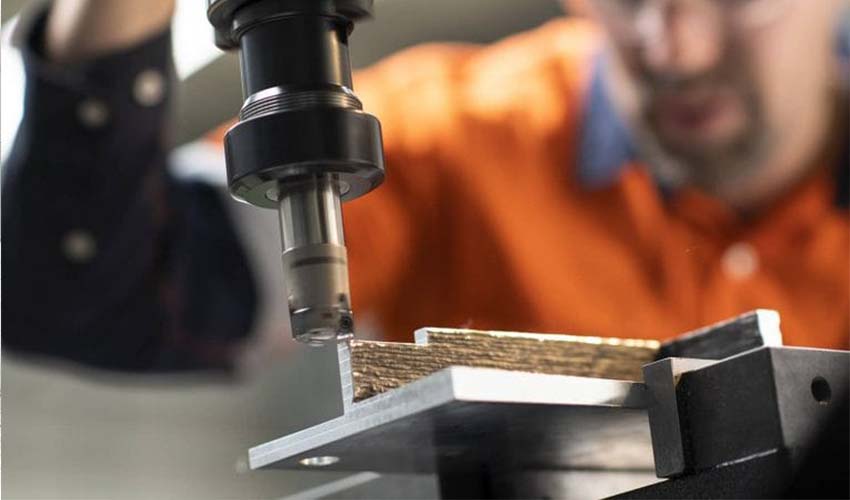 ApplicationsAML3D ships 3D printed marine propellerThe Australian company, AML3D, has shipped a Stainless Steel grade 316L propeller to 3D Printing Corporation (3DPC), a Japanese based 3D printing consultancy firm. Compared to traditional manufacturing technologies, the promise of additive manufacturing is to deliver components a
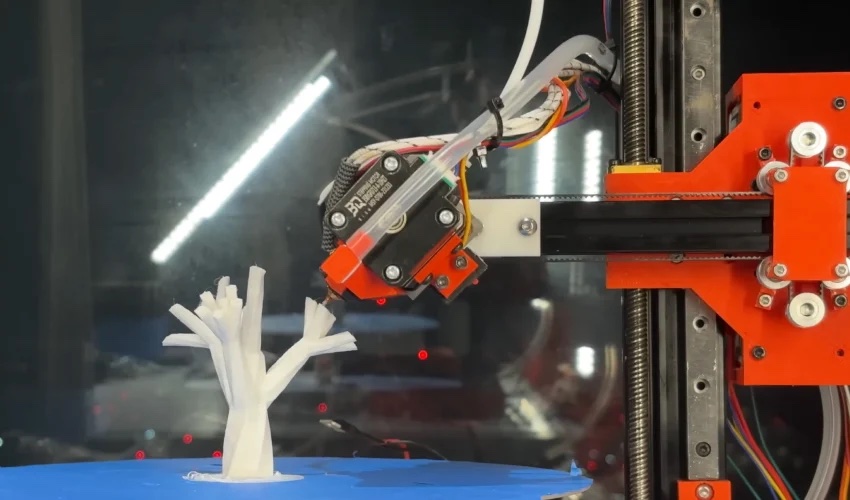 PrintersJoshua Bird’s “Core-RΘ” 4-Axis Polar 3D Printer Can Print Without Any SupportsIn the world of FDM 3D printing, dominated by classic Cartesian systems, some innovations are overturning established codes. Such is the case with the 4-axis core-RΘ 3D printer designed by Joshua Bird. This audacious maker has pushed back the boundaries…
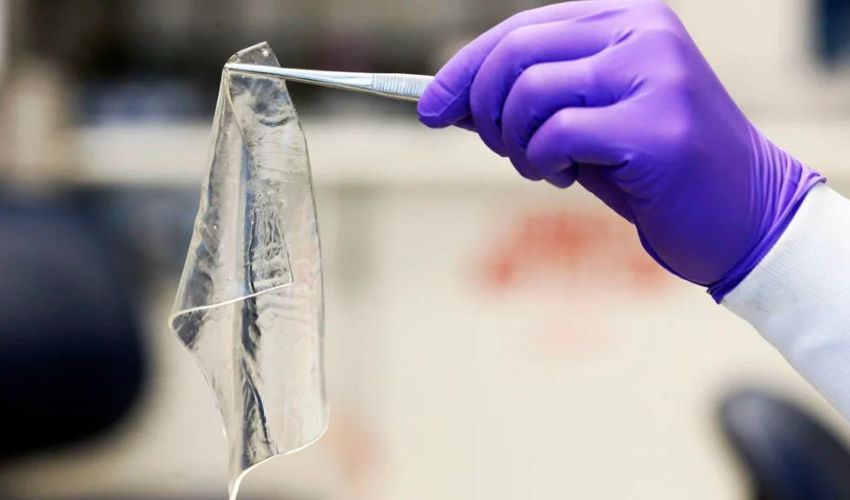 ApplicationsBreakthrough In Diabetic Foot Ulcer Treatment With 3D Printed Wound DressingsAccording to statistics from the Centers for Disease Control and Prevention (CDC) 37.3 million people, or 11.3% of the U.S. population, have diabetes. Diabetic induced foot ulcers are an important cause of morbidity in patients with diabetes. The lifetime risk…