Materials
The High-Performance Polymer Market Is Showing Growth
BlueWeave Consulting, a strategic consulting and market research firm, has released a new study on the high-performance polymer 3D printing market, showing very positive results for this segment. Indeed, it is expected to reach a value of $184.5 million by…
- 3 min read
- Materials
- Six more stories

BlueWeave Consulting, a strategic consulting and market research firm, has released a new study on the high-performance polymer 3D printing market, showing very positive results for this segment. Indeed, it is expected to reach a value of $184.5 million by 2029, representing a CAGR of 8.5 percent over the period. But what exactly do high-performance polymers consist of in this case? It’s important to note that the company includes the polyamide family in this study, alongside plastics like PEI and PEEK. A somewhat surprising choice at first glance, as they do not have the same printing, thermal or mechanical profiles. However, this is still positive news for the market which has been particularly affected by the pandemic.
High-performance polymers are considered the most difficult plastics to print and process because they have very demanding profiles and require specific machinery, notably to ensure optimal temperature management. Typically, printing high-performance polymers requires a closed enclosure, a heated plate but also a heated printing chamber. The printing parameters are more technical, but the result is worth it as it enables very interesting properties in the final parts, useful for sectors such as aerospace or automotive where resistance to high heat or even smoke and fire is crucial.
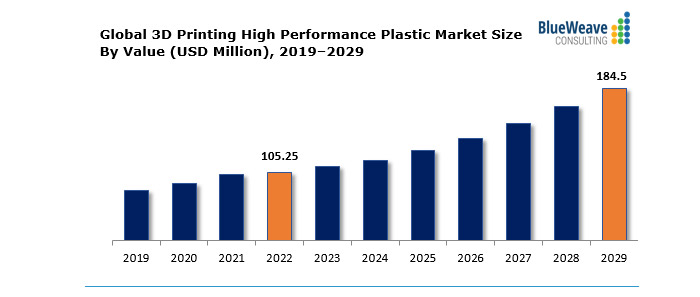
Photo Credits: BlueWeave Consulting
BlueWeave Consulting’s study therefore focuses on the following material categories: Polyamide, Polyetherimide (PEI), Polyether ether ketone (PEEK) and reinforced HPP, whether in filament, granular or powder form. It therefore focused on extrusion and laser sintering technologies. Of these four categories, polyamides had the largest market share – not surprisingly at first glance because of the greater ease of printing and widespread use of this polymer. In addition, polyamide is ideal for use in powder bed machines (SLS, MJF) which are currently seeing their heyday in the additive manufacturing market. The family of plastics is particularly popular in the medical sector, whether it is to produce devices such as prostheses and orthoses, but also instruments and tooling.
More from the desk
Six other notes from the rest of the bench.
 Guides3D Printing at the Heart of Automotive Interior DesignWhile additive manufacturing has proven its worth in the production of spare parts, tooling and finished parts for the automotive sector, it is also very popular for vehicle interiors. The car’s interior is an increasingly important space for the driver:…
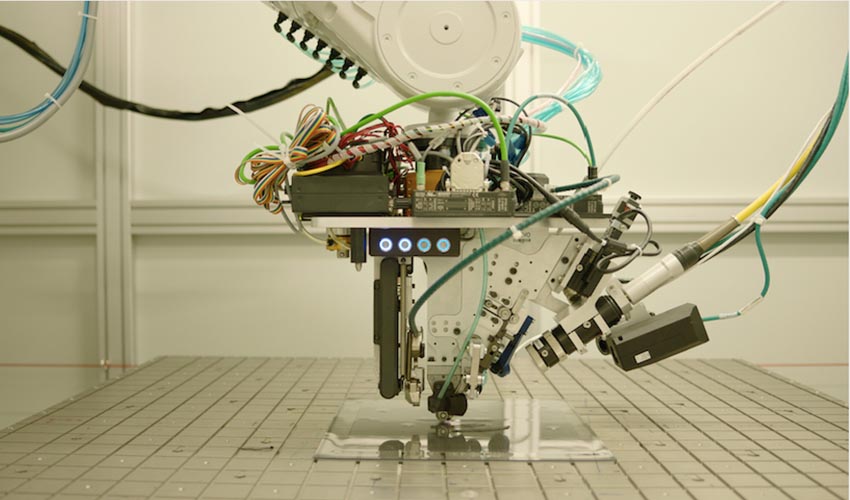 GuidesAREVO launches world’s first high-speed AM composite systemAREVO, a young Californian company, is known for having developed an additive manufacturing platform to transform composites production in the AM sector. As you may know, composites represent a growing segment in this industry, and have started competing with some…
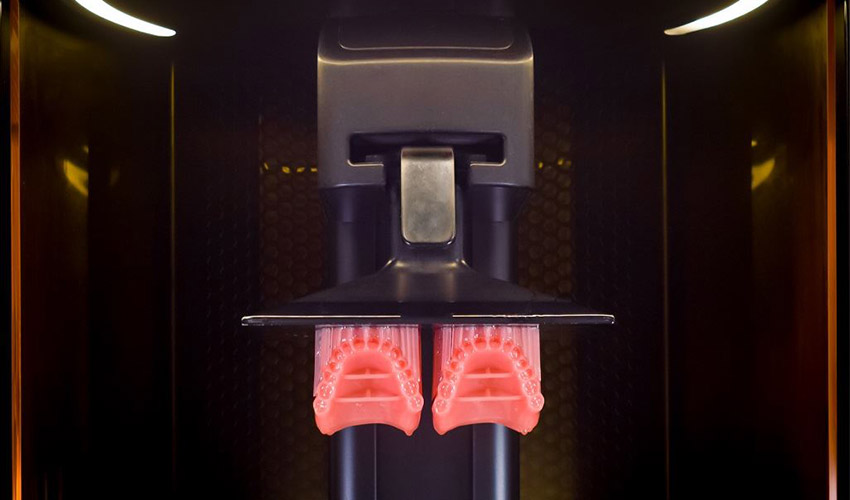 ApplicationsIntroducing the Lucitone Digital Print Denture workflow and material systemDentsply Sirona and Carbon have come together to launch the Lucitone Digital Print Denture workflow and material system. This workflow and material system should provide significant advancements in terms of material benefits, laboratory process, and function for the patient. This
 NewsBigRep 3D printed bicycle tire that could be indestructibleBigRep is continuing their research into the creation of innovative, 3 printed tires; this time, they are focusing on bicycles. To help us see their vision more clearly, BigRep has presented a new 3D printed tire that was printed using…
 Applications3D Printed Boat Boosts Naval Innovation in the NetherlandsIn a previous analysis of 2025 3D printing trends, we mentioned how the defense sector is showing increasing interest in additive manufacturing, to the point of integrating it as a key technology in its operations. A new application for the…
 NewsThe Importance of 3D Printing in Industry 4.03D printing is one of the fundamental elements of Industry 4.0. But before considering the role of additive manufacturing, it is first necessary to understand what Industry 4.0 is. Industry 4.0, or the fourth industrial revolution, consists of the automation…