News
In Scotland, The LACRIMA Foundation is Making 3D Printed Wooden Beehives
There have already been attempts in the past to counteract bee mortality with the help of 3D-printed beehives. The company HIIVE, for example, uses recycled materials to create a habitat for honey bees that is as close to nature and…
- 3 min read
- News
- Six more stories
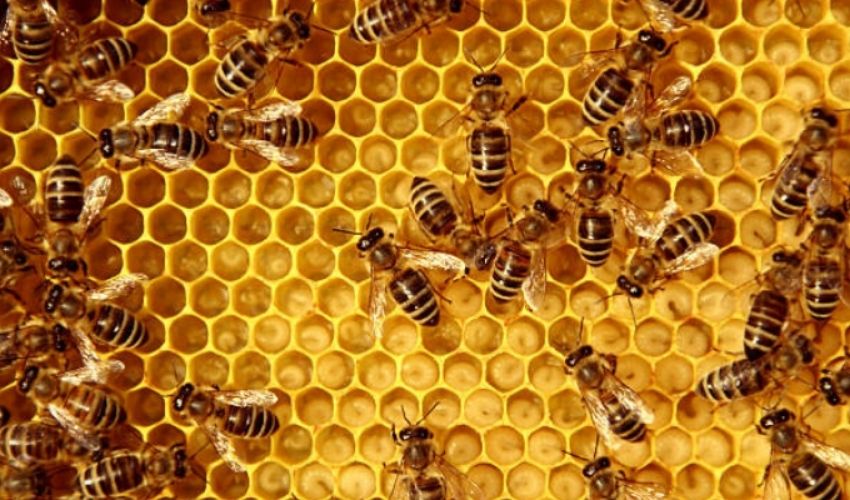
There have already been attempts in the past to counteract bee mortality with the help of 3D-printed beehives. The company HIIVE, for example, uses recycled materials to create a habitat for honey bees that is as close to nature and species-appropriate as possible with the help of additive manufacturing. Now, a new non-profit organization from Scotland has also set itself the goal of improving the critical situation in which bees currently find themselves. The main objective of the LACRIMA Foundation is to promote environmental protection and improvement, focusing on the protection of honey bees and the preservation of their habitat.
By now, we should all be aware of the devastating effects of intensive agriculture, pesticides and climate change on our ecosystems. As the most important pollinator in food production, the honeybee provides a livelihood for humans and thus provides the link between wild ecosystems and modern agricultural production systems. However, fewer and fewer natural areas are found where they can establish their hives. In addition, the cultivation of monocultures and the use of pesticides reduces their food supply, which also makes them more susceptible to diseases.

Natural habitat restoration (photo credits: The LACRIMA Foundation)
The LACRIMA Foundation therefore aims to create awareness of a holistic approach to beekeeping and to increase people’s understanding of the intricate relationships and life processes of nature, as this often seems to be forgotten. To this end, they are also working closely with the semi-normadic people of Bashkortostan to develop a competent strategy for restoring the health of the bee population, ending the cycle of colony destruction and developing a deep understanding of the long-forgotten instincts of bees.
More from the desk
Six other notes from the rest of the bench.
 SoftwareTinkercad: The Online Software to Start 3D ModelingTinkercad is a free, browser-based platform for 3D design, electronics, and beginner-level coding, developed by Autodesk. Autodesk acquired the tool in 2013, two years after its launch by former Google engineer Kai Backman and co-founder Mikko Mononen, and has since…
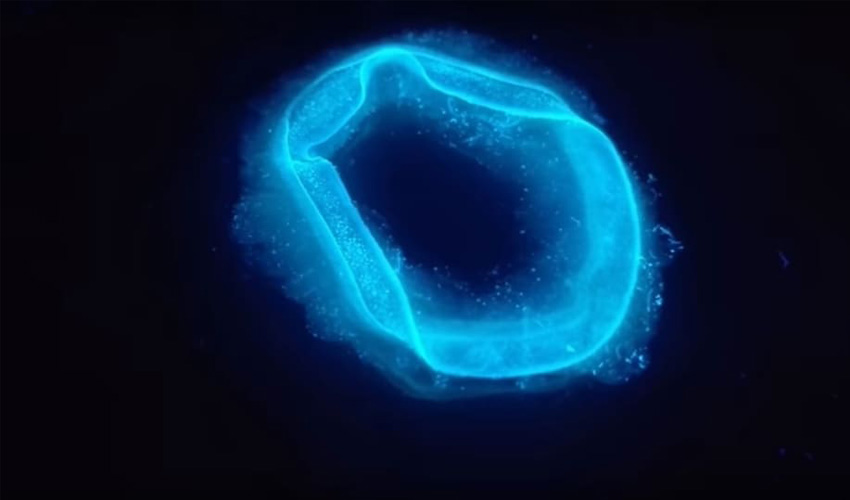 Materials3D Printing Bacteria: the New 3D Printing MaterialResearchers at the Zurich Institute of Technology (ETH Zurich) have developed a bio-ink for 3D printing bacteria. This breakthrough could lead to the production of biomedical cellulose or biological materials capable of destroying toxic substances. Researchers have developed a 3D
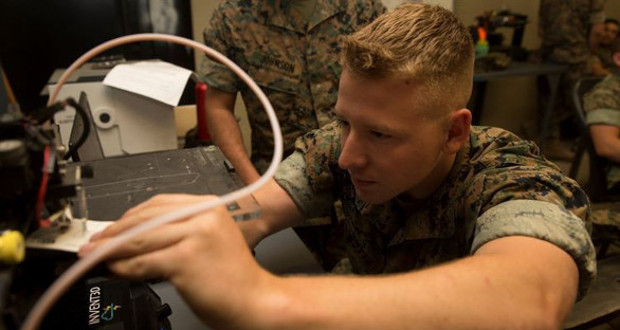 NewsUS Marine Corps bring 3D printing to the front lines3D printing has come to combat zones and the United States Marine Corps is welcoming it with open arms into their bases. The branch of the United States military has been one of the leading voices behind the incorporation of…
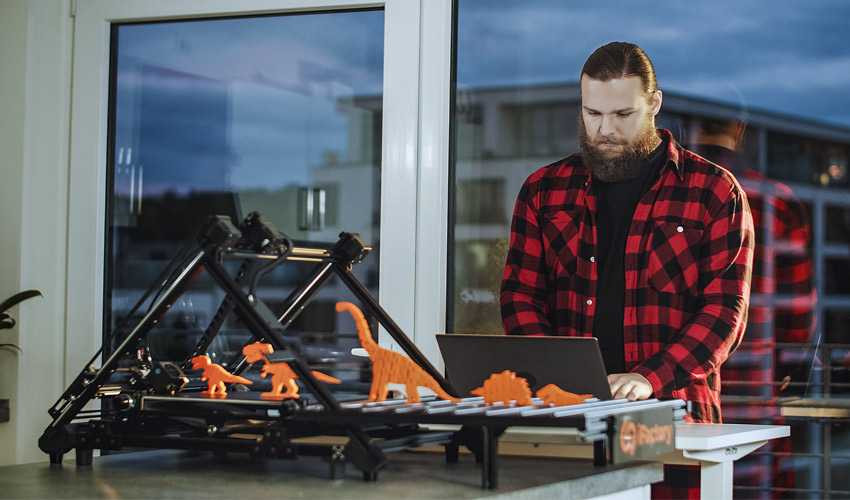 Printers#3Dstartup: iFactory3D develops conveyor belt 3D printer to print objects of infinite lengthThe young German startup, iFactory3D is a manufacturer of FDM desktop 3D printers that has developed a rather special machine that integrates a conveyor belt as the 3D printing plate. Called iFactory One, this solution allows to create parts of…
 NewsNutrition Experts in Chile Develop 3D Printed Food for Children From AlgaeNutrition experts from Chile have used 3D printing to develop food for children that not only looks good, but is also packed with valuable nutrients. The healthy food simply contains dehydrated Cochayuyo, an algae that is commonly eaten in Chile,…
 ApplicationsAdditive manufacturing in aerospace is growingResearch and Markets recently published a study of the additive manufacturing market applied to the aerospace sector; the consulting firm announces a growth rate of 23.01% between 2017 and 2021. A forecast that shows the full potential of 3D technologies in…