Guides
The Job Roles Emerging With Additive Manufacturing
Not long ago, one engineer could take an additive manufacturing project from design file to finished part. That’s changed. As the technology has scaled, so has the number of people it takes to run it and the range of skills…
- 3 min read
- Guides
- Six more stories
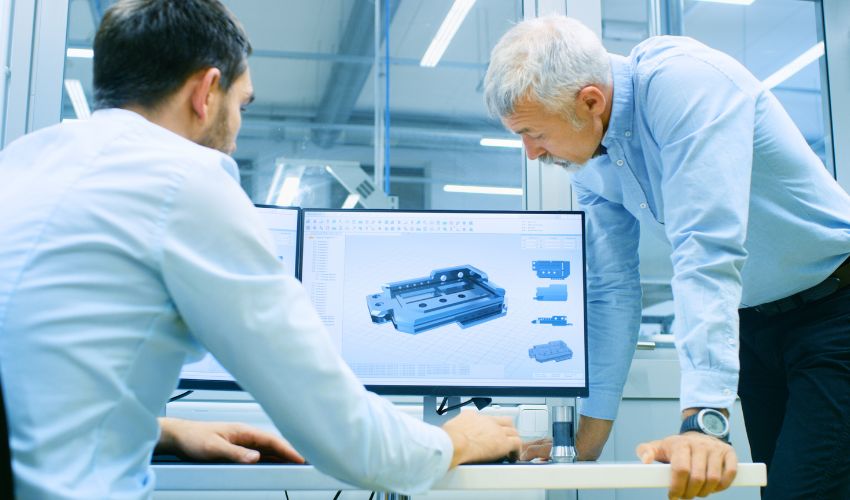
Not long ago, one engineer could take an additive manufacturing project from design file to finished part. That’s changed. As the technology has scaled, so has the number of people it takes to run it and the range of skills required at each step. Some of these roles were rarely defined as separate positions a decade ago. Others have evolved so much they have little in common with their traditional counterparts.
Looking at these positions offers another way to understand how the industry itself is maturing. Below, we explore several key technical roles that have emerged alongside the growth of industrial 3D printing.
Design for Additive Manufacturing Specialist
Designing a part for 3D printing is not the same as designing it for machining or injection molding. This crucial step in the additive manufacturing workflow requires new skills, so much so that it is now commonly referred to as Design for Additive Manufacturing (DfAM). As a result, it calls for specialized profiles. Companies are increasingly looking for candidates who understand the specific design constraints of additive manufacturing. What rules should be followed? What key factors need to be considered when designing a part?
More from the desk
Six other notes from the rest of the bench.
 ApplicationsApplication of the Month: Lamborghini Uses 3D printing for the SC63 Hypercar at the 24 Hours of Le Mans 2024The use of 3D printing in motor racing has become increasingly common. The ability to rapidly produce, customize and select the most appropriate materials for each application has led many automakers to adopt this technology. In Formula 1, for example,…
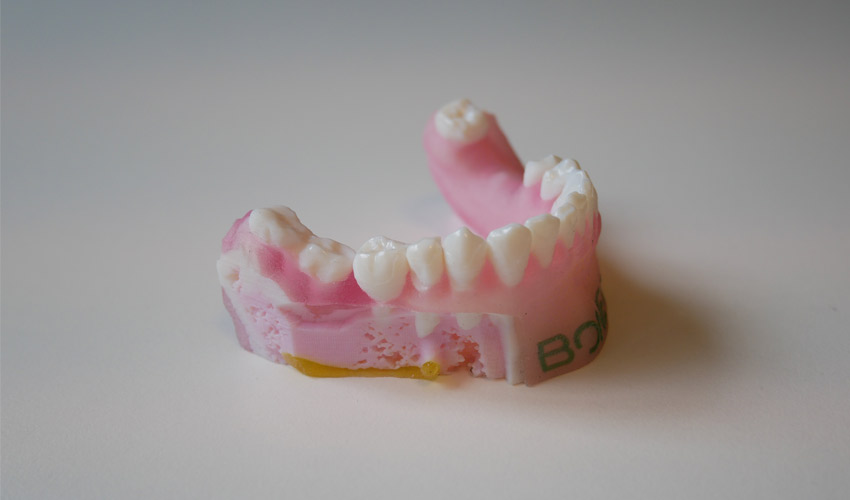 Guides#3DStartup: Bone3D, 3D printing for surgeryWhile 3D technologies are progressing in the medical sector, with an annual growth rate of 35% according to the SME association, some players are doing well by presenting concrete and innovative applications. This is the case with the French startup…
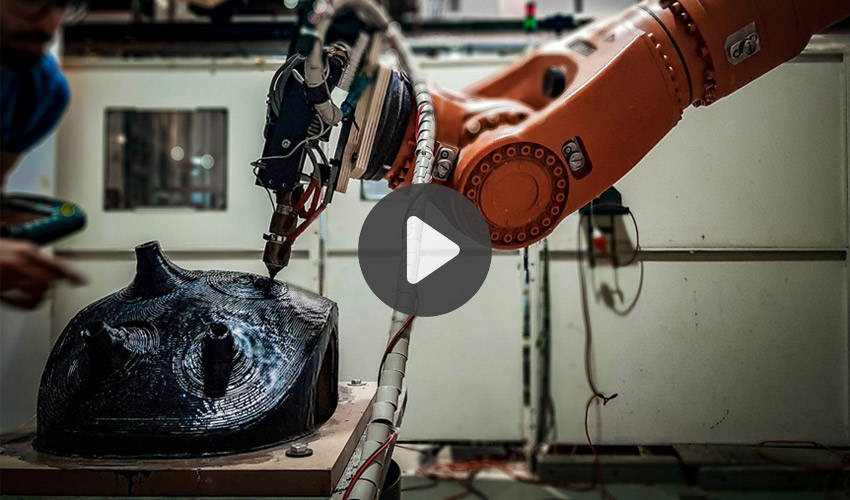 NewsTOP 5 Videos: 3D printed meat, a hybrid chair and much more!This week we found the top 5 videos about 3D printing and the way additive manufacturing is shaping our society. The technology has infiltrated many sectors, from medical to automotive! Check out our selection of the week to keep up with the innovations! This week we…
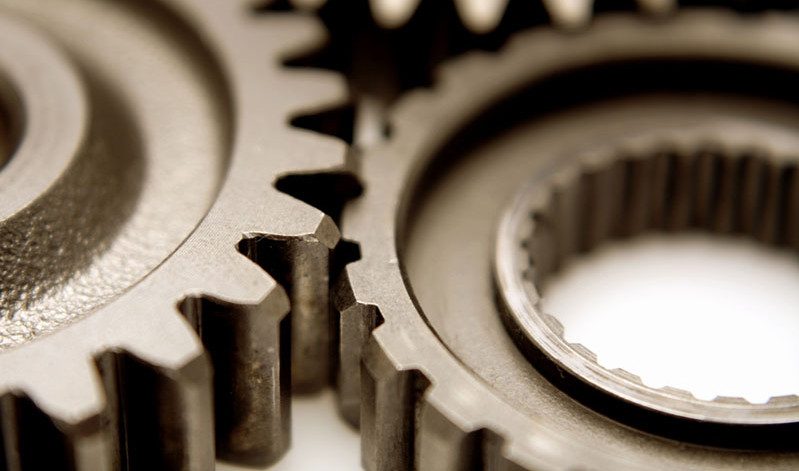 Materials3D Printing makes Stainless Steel 3X Stronger!When you think of 3D printing, naturally you think of plastics. However, there is a growing trend towards using metals as a 3D printing material. The visibility of 3D printing metal has grown further recently as HP have announced plans…
 MaterialsCovestro Launches New Recycled PET 3D Printing MaterialCovestro has launched a new 3D printing material, Arnite® AM2001 GF (G) rPETm, made from recycled post-consumer PET waste. This is the materials manufacturer’s first additive manufacturing specific product. The material is a glass-fiber filled recycled polyethylene terephthalate
  Materials3D Printing Revolutionizes Refractory Alloys for Hypersonic ApplicationsIn high-stakes industries like aerospace and defense, the demand for advanced materials that can endure extreme environments is relentless. Refractory alloys, known for their exceptional resistance to heat and wear, are becoming indispensable in these fields. Among them, Niobium