Materials
Covestro Launches New Recycled PET 3D Printing Material
Covestro has launched a new 3D printing material, Arnite® AM2001 GF (G) rPETm, made from recycled post-consumer PET waste. This is the materials manufacturer’s first additive manufacturing specific product. The material is a glass-fiber filled recycled polyethylene terephthalate
- 3 min read
- Materials
- Six more stories
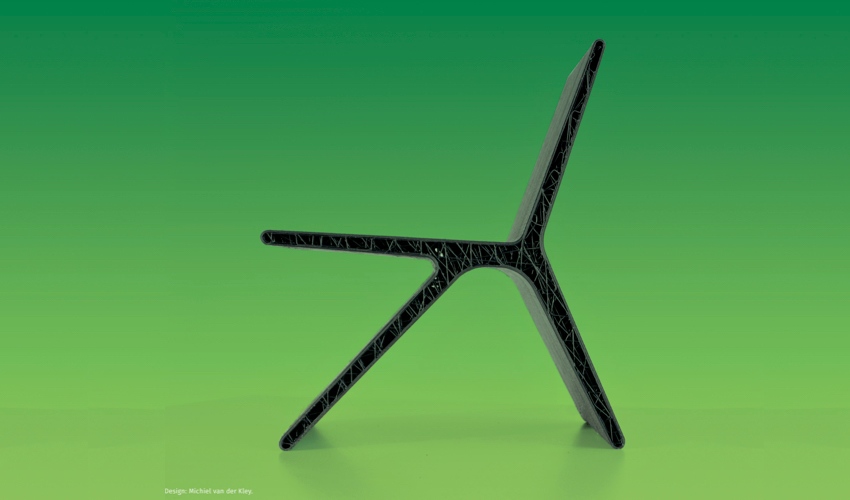
Covestro has launched a new 3D printing material, Arnite® AM2001 GF (G) rPETm, made from recycled post-consumer PET waste. This is the materials manufacturer’s first additive manufacturing specific product. The material is a glass-fiber filled recycled polyethylene terephthalate (rPET) for 3D pellet printing. Evidently, the new product perfectly fits Covestro’s vision for a Circular Economy. Together with the recently acquired DSM Resins & Functional Materials, Covestro illustrate their synergetic approach to adding more value to additive manufacturing and industrial production overall.
Covestro’s new glass-fiber filled pellet material will allow manufacturers to produce parts with increased structural performance, while still resulting in a significantly lower carbon footprint than virgin material. This in turn means that manufacturers will be able to make their supply chain more circular without having to make any compromises when it comes to performance. Hugo Da Silva, Head of Additive Manufacturing (former-DSM) commented: “The introduction of this high-performing material for 3D pellet printing is an important step in creating circular supply chains. With PET packaging accounting for more than 50 percent of total plastic waste, extending its lifetime by re-using it as feedstock offers a broadly available alternative to virgin raw materials – without the need to compromise on performance or total cost of ownership.”
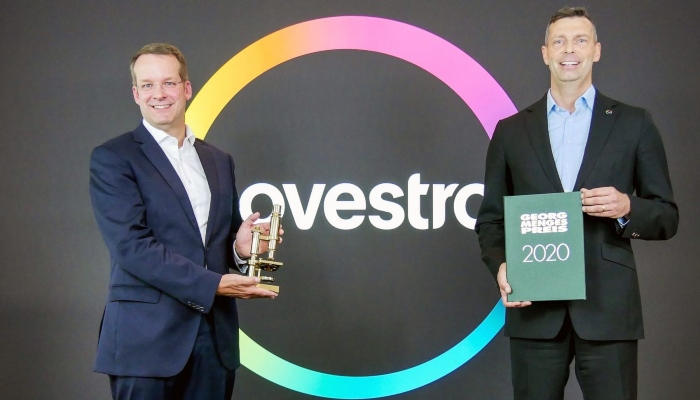
Prof. Christian Hopmann (left), Head of the Institute of Plastics Processing at RWTH Aachen University, presented Markus Steilemann with the Georg Menges Prize.
Arnite® AM2001 GF (G) rPET will not only increase sustainability but also reduce costs. Covestro has optimized the recycled PET for 3D pellet printing using technology also known as fused granulate fabrication (FGF). This technology allows for both fast and economically viable additive manufacturing of large-size parts. Thanks to direct printing of applications reducing product development time, costs are lowered. Moreover additive manufacturing enables design flexibility and therefore also reduces material cost, using only the material necessary. 3D printing thus is also a far more sustainable alternative to traditional manufacturing methods. Therefore, by catering the new material to additive manufacturing Covestro is pushing manufacturers to shirt toward a Circular Economy.
More from the desk
Six other notes from the rest of the bench.
 Guides3D Printed Fashion: The Top DesignsFashion brings together several industries, whether it is clothing, cosmetics, or luxury. All sorts of products are being created to embellish and affirm a style, a look, a way of being. In the world of fashion, it is necessary to…
 GuidesNicole Hone and her “Hydrophytes”, 4D printed aquatic plantsHydrophytes is a project that seeks to show what plants of the future might look like. Created through 4D printing, their intelligent manufacturing materials allow them to develop movements very similar to real aquatic plants. The creator of this project is Nicole Hone,…
 PrintersTOP 5 videos of the week: 3D printing and cooking..Find our TOP 5 best videos of the week on 3D printing and additive manufacturing. Share your videos and comment on the article or the 3Dnatives Facebook account. A very good Sunday to you all ! TOP 1: 3D printing and cooking: Remember…
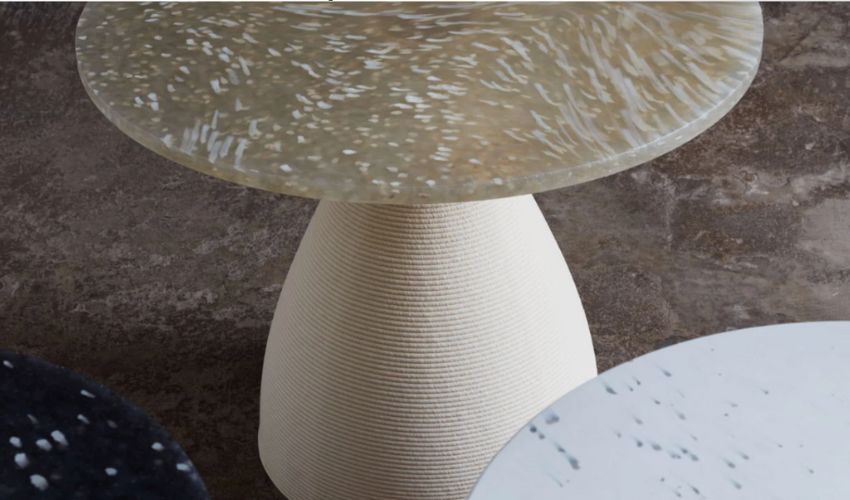 NewsSustainable Expression with LOOPS 3D Printed TablesFrom the world of sustainable and creative 3D printed designs, Czech designer Martin Žampach reveals his latest creative 3D printed collection – LOOPS. Alongside several designers who have been experimenting with 3D printed expression in art, fashion and furniture, LOOPS&he
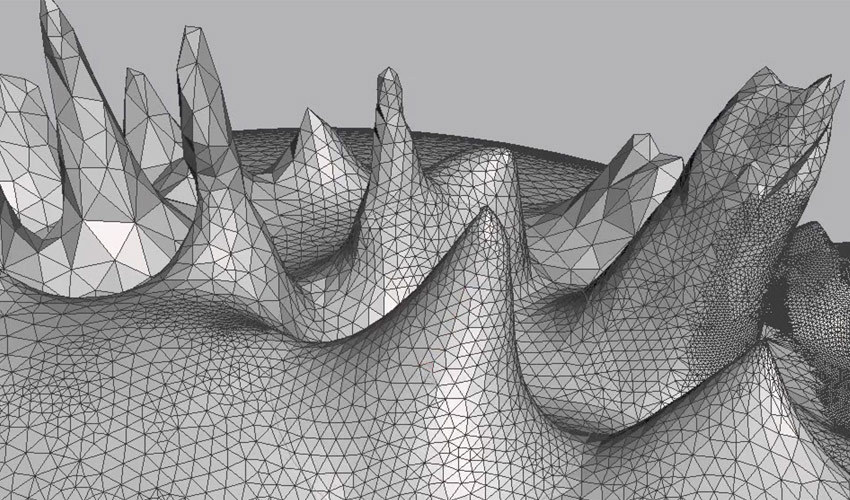 SoftwareMeshMixer, the Free Surface 3D Modeling SoftwareMeshMixer is one of the free 3D software programs provided by Autodesk, which offers several interesting features to help users in not just modeling but also in 3D printing processes. Available on Windows and Mac OS, version 3.5 of MeshMixer…
 News3DExpress: 3D Models of “Pillars of Creation” and Announcements at RAPID + TCTWe are back with #3DEXPRESS to show you all the highlights of the news from the additive manufacturing sector this week! First up, Colibrium Additive, a subsidiary of GE Aerospace, unveiled several innovations, including the latest model of the Spectra printer…