News
Japanese Researchers Develop New 3D Printed Elecrodes For Batteries
Researchers from the Tohoku University in Sendai, Japan, recently announced the discovery of a new procedure, in which high-performance carbon micro lattice electrodes could be 3D printed for batteries. The newly introduced method that was published as a research article…
- 3 min read
- News
- Six more stories
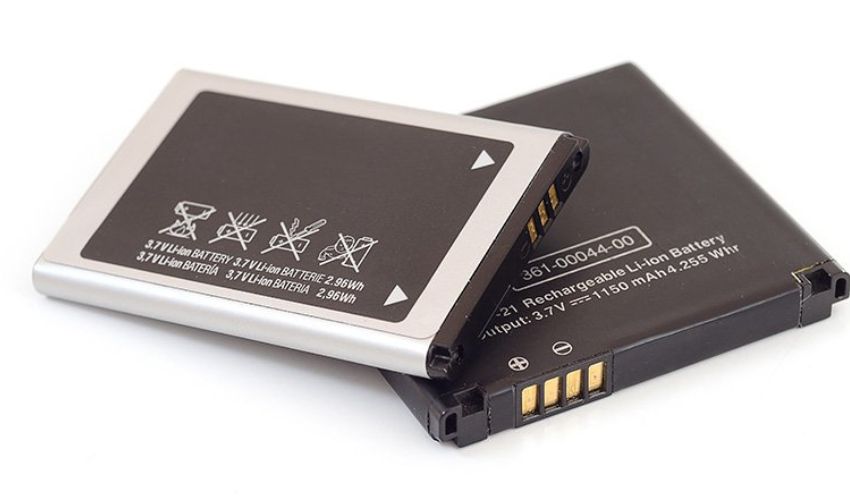
Researchers from the Tohoku University in Sendai, Japan, recently announced the discovery of a new procedure, in which high-performance carbon micro lattice electrodes could be 3D printed for batteries. The newly introduced method that was published as a research article in the science journal, Small, could soon become an alternative way to produce cheaper and better-performing batteries. The effort may also be able to make the production and use of batteries less harmful to the environment.
When people became aware of the negative effects that gasoline-powered machines and vehicles had on the environment, it seemed like the problems could be solved by simply switching to the use of batteries instead. From that time on, no one seemed to question the new, supposedly entirely environmentally friendly option. It did not take long, however, until scientists found out that the simple alternative wasn’t as green as it seemed to be after all.
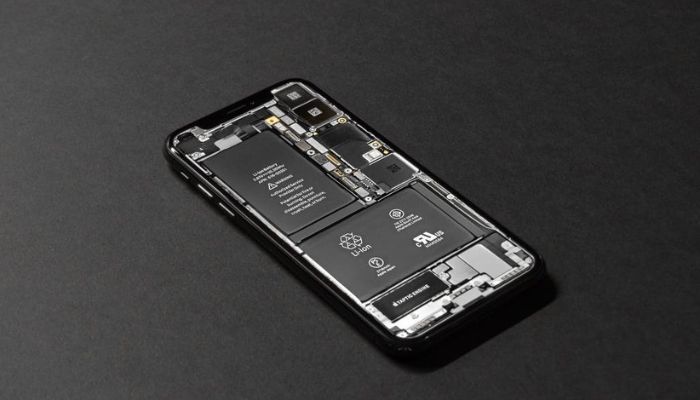
The use of batteries is increasing (Photo Credits: Tyler Lastovich)
While the use of batteries is, indeed, not harmful to our planet, the production and disposal of these sources of power, on the other hand, very much is. The hazardous chemicals involved in the production, as well as the dangerous battery acid, pose a big environmental threat of their own, and considering that more electronic devices are used nowadays than ever before, that threat is a growing cause for concern. While it is, of course, not an option to ban the use of batteries, the only way to make them more ecological is to find ways to make better use of them by achieving higher performance and therefore lowering the amount of those produced, as this recent discovery by Japanese researchers shows.
More from the desk
Six other notes from the rest of the bench.
 GuidesThe Personalities Who Shaped the Additive Manufacturing Market in 2023As we approach the end of the year, it’s time for us to take a look back at the market, and at the personalities who have shaped the 3D printing sector in 2023. Whether they work in major corporations, startups…
 ApplicationsNASA 3D prints a rocket engine for its Artemis exploration missionNASA is preparing to send men to the Moon – and then further to Mars – as part of its Artemis space exploration mission. For this space voyage, the American agency has decided to rely on metal additive manufacturing, more…
 GuidesThe Most Surprising 3D Printing Applications at TCT Asia 2025TCT Asia 2025 has wrapped up, but there’s still plenty to talk about! As one of the biggest additive manufacturing events in Asia, this year’s edition showcased some of the industry’s most innovative 3D printing applications. Our team at 3Dnatives…
 NewsTop 5 Videos: Automated post-processing, and moreThis week we found the top 5 videos about 3D printing and the way additive manufacturing is changing production. The technology has infiltrated many sectors, from medical to automotive – check our selection of the week to keep up with the innovations! If you enjoy these, you&hell
 NewsmicroArch, Boston Micro Fabrication’s micro 3D printing technologyBoston Micro Fabrication (BMF) is a young manufacturer of micro 3D printing solutions that, after successfully expanding in Asia over the past 18 months, is officially launching its microArch technology worldwide. This technology would be capable of 3D printing of…
 ApplicationsDivergent Has Raised $160 million to 3D Print the Cars of TomorrowDivergent successfully raised $160 million last week to continue creating automotive parts using additive manufacturing. The company has developed a software solution and automated assembly system, called Divergent Adaptive Production System (DAPS®), to design almost all the comp