Applications
Divergent Has Raised $160 million to 3D Print the Cars of Tomorrow
Divergent successfully raised $160 million last week to continue creating automotive parts using additive manufacturing. The company has developed a software solution and automated assembly system, called Divergent Adaptive Production System (DAPS®), to design almost all the comp
- 3 min read
- Applications
- Six more stories
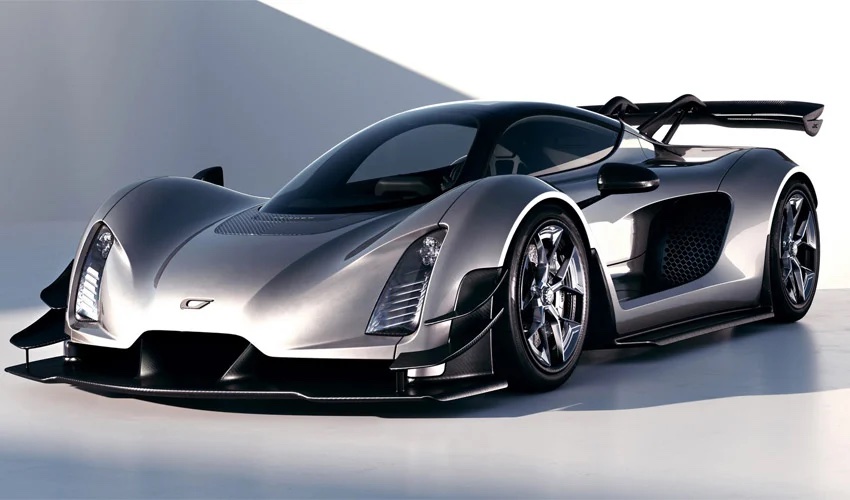
Divergent successfully raised $160 million last week to continue creating automotive parts using additive manufacturing. The company has developed a software solution and automated assembly system, called Divergent Adaptive Production System (DAPS®), to design almost all the components of a car. The company has chosen SLM Solutions‘ NXG XII 600 machine as its 3D metal printer, and the funds raised should enable it to increase its manufacturing capacity and open new factories in the United States and Europe from 2024.
If the name Divergent rings a bell, it’s because the company was one of the first to develop a solution for designing 3D printed car chassis. In 2015, the California-based startup presented Blade, a concept car incorporating an ultra-lightweight chassis designed using carbon tubing attached together with 3D printed fasteners. Some time later, the startup signed a strategic partnership with Peugeot and raised its first million dollars. Since then, the company has been working hard and has set even more ambitious goals.
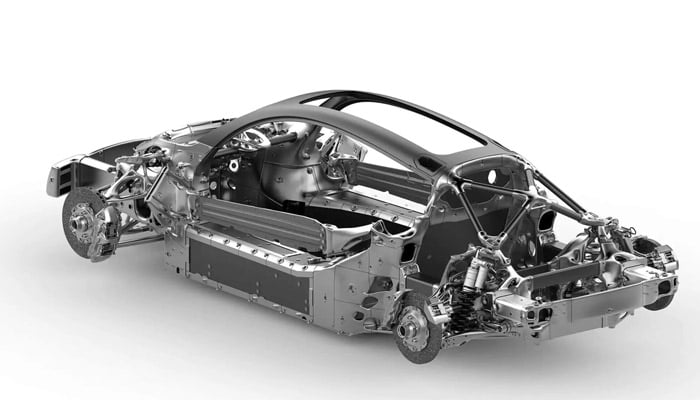
Divergent has been interested in 3D printing for a few years now to 3D print chassis (photo credits: Divergent)
However, it’s been a while since we’ve heard from Divergent. It has been dedicated to developing a solution for developing custom automotive parts by combining generative design and additive manufacturing. According to the company, this proprietary end-to-end solution is a complete modular digital factory for complex structures and is the subject of 500 patents. The software is able to understand the volume of the part, where it needs to be attached in the car and what loads it needs to tolerate. Based on these constraints, the software optimizes the weight, strength and cost of the model, which can then go to print. A laser fusion machine on a powder bed was chosen, specifically six NXG XII 600 3D printers.
More from the desk
Six other notes from the rest of the bench.
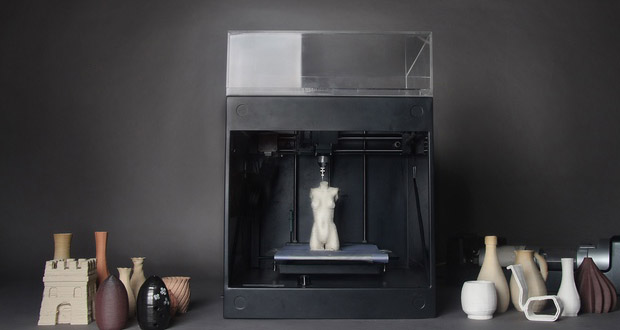 PrintersClay XYZ, a new clay 3D printer that will bring the artist out of youDeveloped by Eponymous, the Clay XYZ is a new 3D printer that takes 3D printing to a new level by printing with clay. After recently starting a Kickstarter campaign that has already surpassed their goal of $10,000, this machine is…
 NewsBiden Administration Helps Launch AM Forward Initiative to Promote 3D Printing AdoptionThe growing impact of additive manufacturing has been well documented over the past couple of years. Indeed, during the pandemic, not only did 3D printing play a critical role in repairing vulnerabilities in supply chains especially in the medical sector…
 ApplicationsCadillac Showcases the Precision of 3D Printing with its CELESTIQ ModelGeneral Motors (GM) has been using additive manufacturing for decades to accelerate vehicle development by creating functional prototypes. However, the company has taken it a step further by incorporating 3D printing into automobile production, particularly in low-volume models s
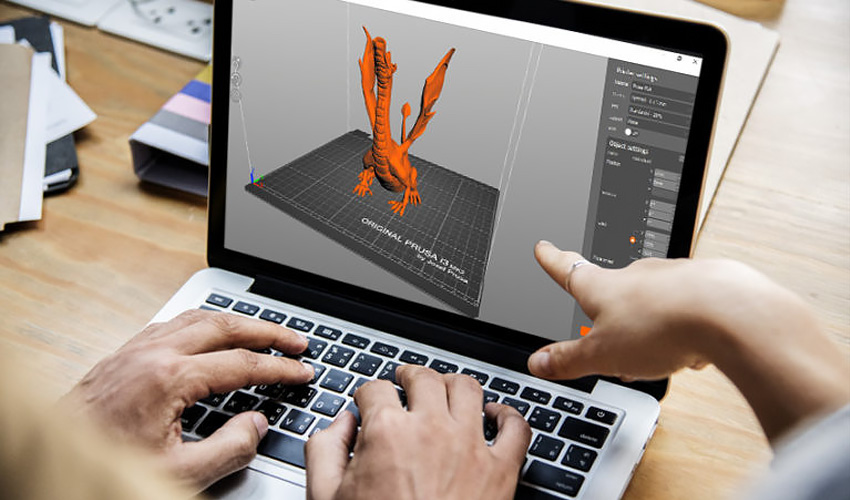 SoftwareSlic3r: A Free and Open-Source Slicer to Prepare 3D ModelsAmong the many different 3D printing software available, slicers serve as an intermediary between a 3D model and the 3D printer. More precisely, the slicer cuts a 3D model into a succession of layers that will be 3D printed by…
 NewsWEBINAR: The State of 3D Printing in Medicine3Dnatives was joined by Formlabs and Axial3D to discuss the benefits of 3D printing for the medical sector. Additive manufacturing technologies can be used to create tailor-made medical devices such as implants and prosthetics, but also for surgical planning and…
 News3D Printed Drone Wins Red Dot AwardThe Tundra® 3D printed Drone for industrial use won the German Red Dot Award. The Red Dot Award has been around since 1955. It brings an opportunity for any individual or business to submit their products to one of the world’s…