Guides
Itzcóatl, the 3D-Printed Serpent Head Made of Soil and Obsidian
Itzcóatl was the fourth ruler of Mexico-Tenochtitlan, and his name means “obsidian serpent” in Nahuatl. Today, it is also the name of a sculpture 3D printed with soil by Mexican artist Alfredo Salazar-Caro, co-founder of the Digital Museum of Digital…
- 3 min read
- Guides
- Six more stories
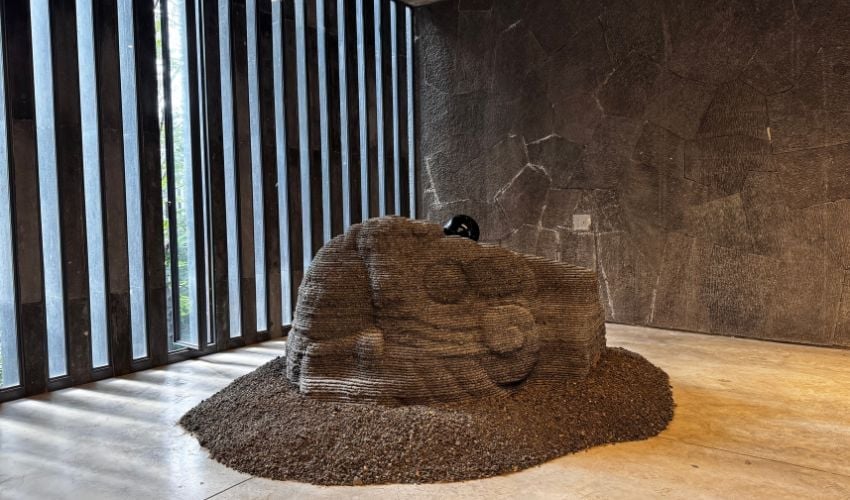
Itzcóatl was the fourth ruler of Mexico-Tenochtitlan, and his name means “obsidian serpent” in Nahuatl. Today, it is also the name of a sculpture 3D printed with soil by Mexican artist Alfredo Salazar-Caro, co-founder of the Digital Museum of Digital Art (DiMoDA). The piece, which was unveiled at the Anahuacalli Museum in Mexico City, is the first fragment of a monumental serpent whose body is still to come. We spoke with the artist to learn how it was made.
What Is Itzcóatl?
Although it bears the name of a ruler, the sculpture draws on another figure from Mexica tradition: the Xiuhcóatl, or fire serpent. Salazar-Caro took a 3D scan of a representation of the Xiuhcóatl and reinterpreted it digitally until it became an entirely new piece, one he himself places somewhere between archaeology and speculation.
The head measures 1.70 meters long and 80 centimeters tall, and weighs 770 kilograms. For those unfamiliar with 3D printing with soil, the technique works by depositing a wet paste made of soil and other natural materials layer by layer, which gradually dries and hardens to form the object. The technology is used primarily in architecture to build walls and homes.
More from the desk
Six other notes from the rest of the bench.
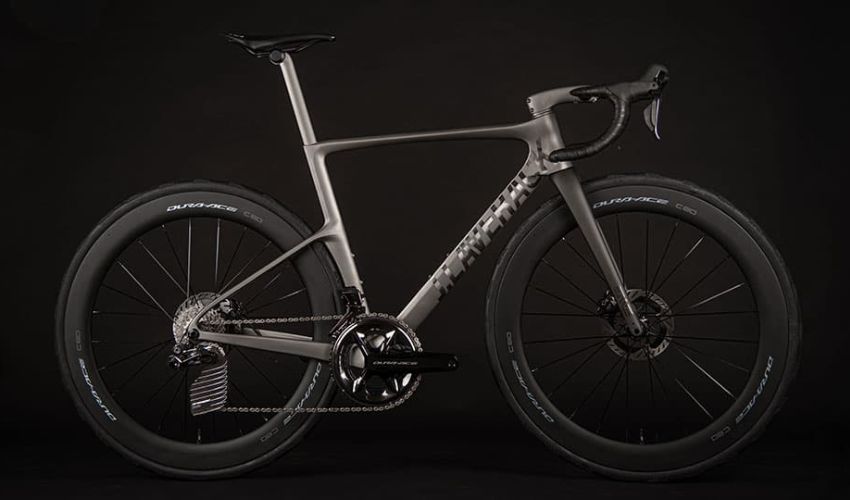 ApplicationsLoughborough Research Helps Launch Fully 3D Printed Titanium BikeA new chapter in performance cycling has opened with the debut of Speedform, a fully 3D printed titanium road bike developed by British manufacturer J.Laverack and supported by aerodynamic expertise from Loughborough University. Unveiled at the Rouleur Live show in…
 ApplicationsMade In Space will send first commercially-developed plastic recycling facility to ISSIn November, Made In Space plans to send the first commercially-developed plastic recycling facility to the International Space Station (ISS). More precisely, it plans to send it on Northrop Grumman’s commercial cargo resupply flight. This plastic recycling facility, named Braske
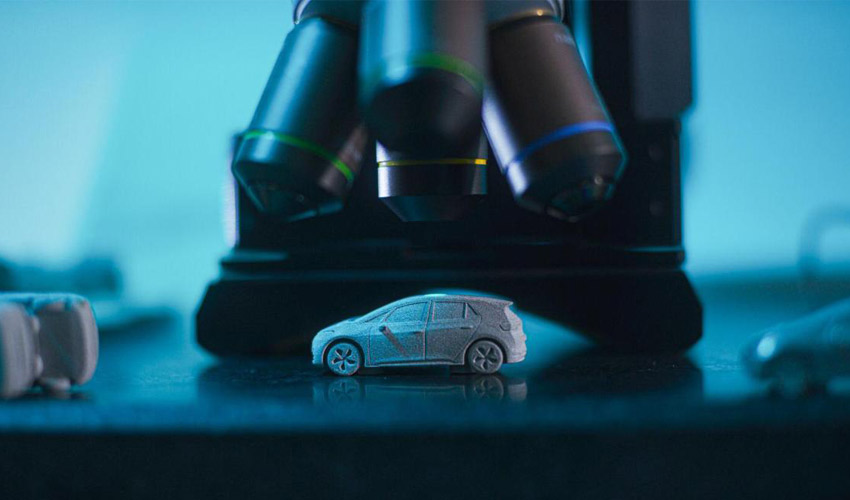 NewsVolkswagen continues to produce 3D printed parts with HP Metal JetIn September 2018, the American manufacturer HP announced the arrival of its metal 3D printer, the HP Metal Jet. Among the first users of the technology is the car manufacturer Volkswagen. For the past year, the German company has been…
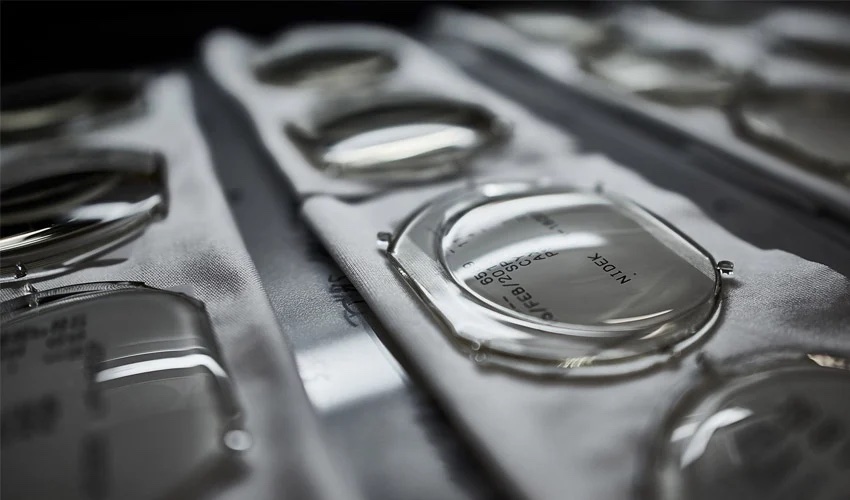 NewsMeta Has Acquired Luxexcel, Establishing a Foothold in the 3D Printing SectorMeta, the parent company behind the Facebook, WhatsApp and Instagram, announced a few days ago the acquisition of a company specialized in the manufacturing of 3D printed lenses, Belgian-Dutch Luxexcel. This business had already raised several million euros to market…
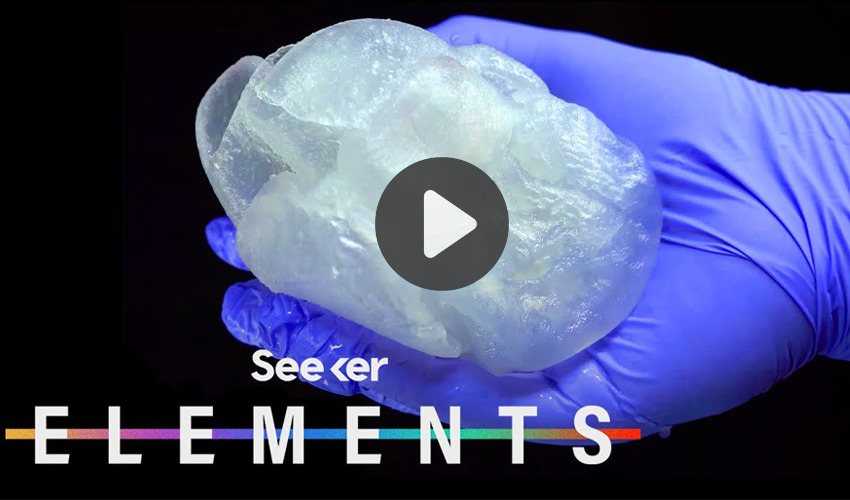 NewsTop 5 Videos: First Full-Size 3D Print of a Human HeartThis week we found the top 5 videos about 3D printing and the way additive manufacturing is changing production. The technology has infiltrated many sectors, from medical to automotive: check our selection of the week to keep up with the innovations! If you enjoy these, you&helli
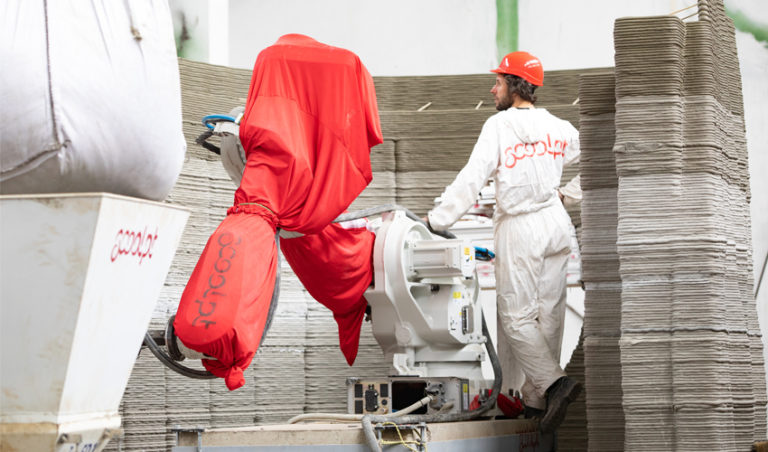 GuidesMeeting the creators of the 3D printed floating house, PRVOKA few weeks ago, we presented the first house with 3D printed walls erected in the Czech Republic, not just any house as it is floating! As you probably know, 3D printed houses are more and more a reality that…