Guides
Digitizing the Smile: Ben Wynne on the Future—and Ethics—of Automated Dentistry
Anyone who has swapped traditional braces for clear dental aligners knows the appeal: aligners are much more comfortable and inconspicuous, compared to wires in your mouth. As this consumer preference for a more discreet orthodontic experience drives a massive market…
- 3 min read
- Guides
- Six more stories
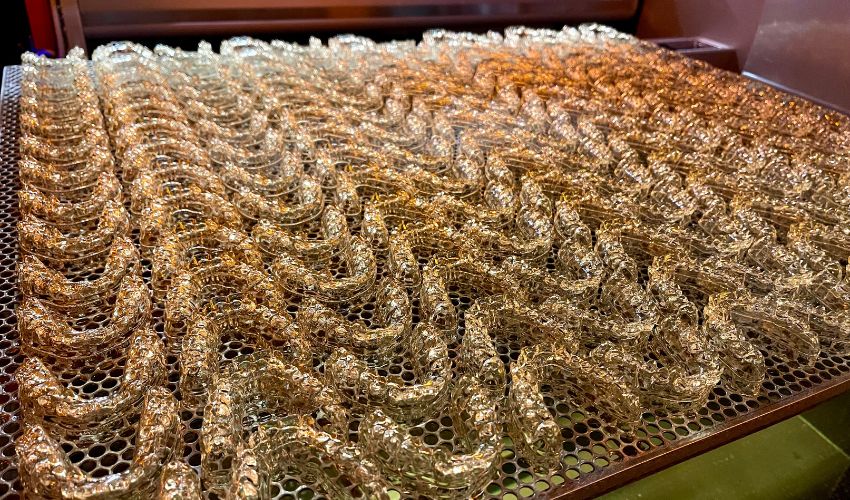
Anyone who has swapped traditional braces for clear dental aligners knows the appeal: aligners are much more comfortable and inconspicuous, compared to wires in your mouth. As this consumer preference for a more discreet orthodontic experience drives a massive market shift, it is also fueling an explosion in dental 3D printing, a sector projected to skyrocket from roughly $3 billion today to more than $12 billion by 2032.
Scaling this consumer trend, however, presents a manufacturing challenge. Because no two smiles are identical, every single aligner must be custom-manufactured. To eliminate the friction of this high-volume customization, San Diego-based Intrepid Automation is stepping into the sector. The company leverages patented modular Digital Light Processing, advanced robotics, and AI-driven quality control, to serve high-stakes industries like aerospace, defense, and industrial casting. By introducing continuous manufacturing and automated post-processing, Intrepid aims to replace slow manufacturing lines with flexible, high-speed digital supply chains, equally applicable to the dental industry.
We sat down with Ben Wynne, CTO and Co-Founder of Intrepid Automation, to discuss how additive manufacturing is reshaping dental production, Intrepid’s automated approach to mass customization, and the complex ethical questions emerging alongside automated digital healthcare. This interview has been edited for length and clarity.
More from the desk
Six other notes from the rest of the bench.
 ApplicationsMcLaren and Divergent to Create 3D Printed Parts for the McLaren W1Last year, McLaren announced a strategic collaboration with California-based manufacturer Divergent Technologies (Divergent3D) in a significant step forward towards the application of additive manufacturing in the supercar sector. The new McLaren W1, which incorporates technology
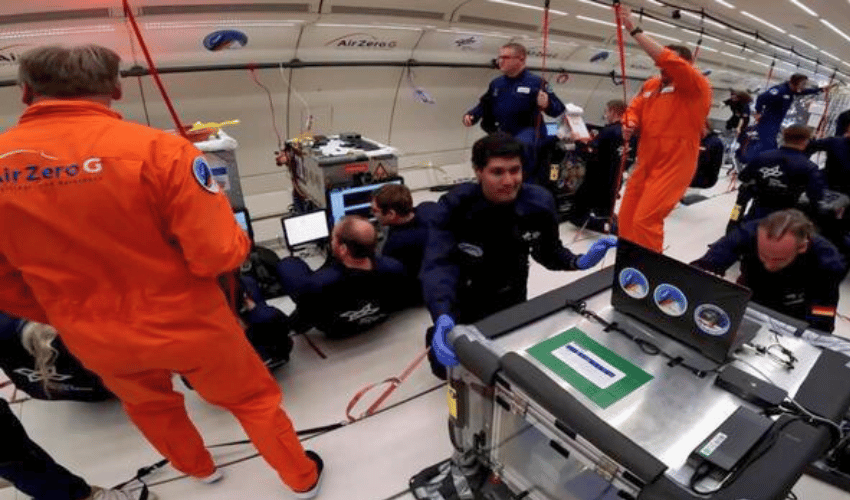 ApplicationsETH Zurich 3D Prints Human Muscle in MicrogravityWhile bioprinting usually takes place in controlled Earth-based labs, researchers at ETH Zurich have taken the technology to new heights, quite literally. In a new experiment, the Swiss team successfully 3D printed human muscle tissue during parabolic flights that simulate&hellip
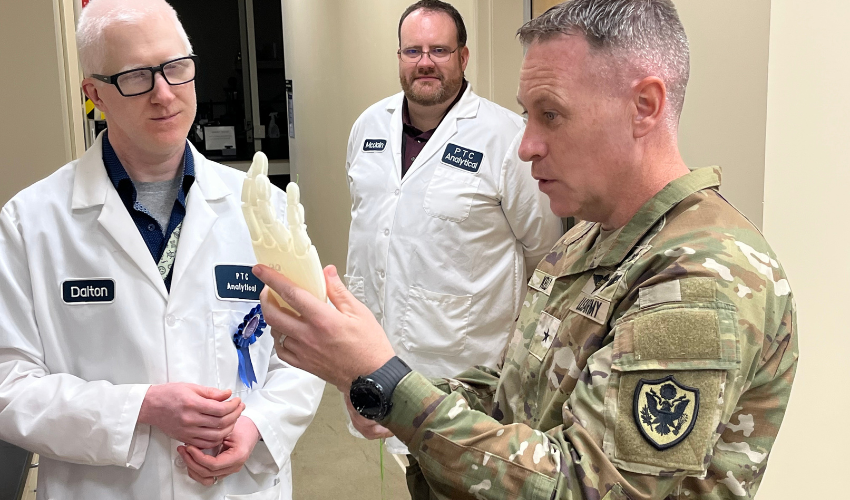 ApplicationsU.S. Defense Is Using a 3D Printed Hand for Safer TestingThe United States Defense Logistics Agency (DLA) recently announced its new 3D printed solution to help improve safety during hazardous glove testing. The engineers at the DLA Analytical Product Test Center in Philadelphia have developed an artificial hand that can…
 NewsTop 5 Videos: A New Food 3D PrinterAnother Sunday means another Top 5 list of videos straight from the world of 3D printing! This week, we present you with a brand new food 3D printer called Patiss3, which was developed by the French start-up La Pâtisserie Numérique.…
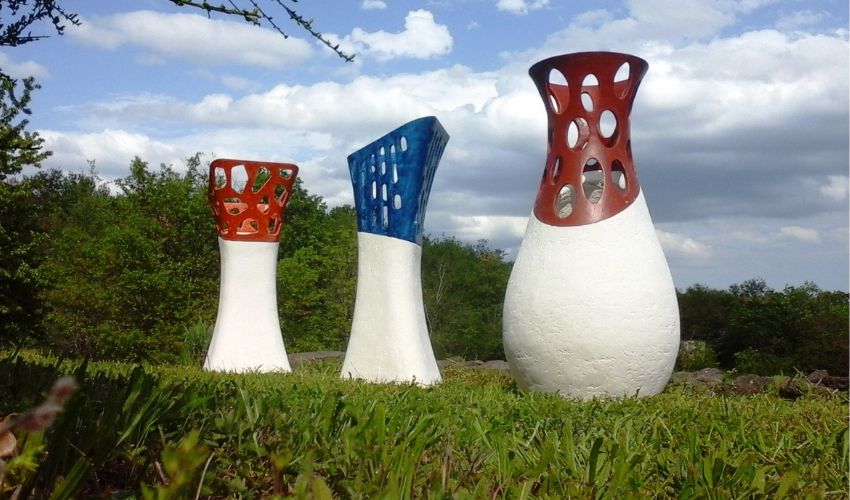 Guides3D-LINE on Combining Concrete and Plastic 3D Printing for Design and ArchitectureThere are a number of players in the concrete 3D printing field, particularly in the renewable energies sector. Among them is 3D-LINE. This is a brand of the company V-Concept, founded in 2017. It specializes in concrete and plastic 3D…
 NewsTop 5 Videos of the week: F1 Cars, 3D printing robots & more!A new selection of the best 3D printing videos of the week, just for you! Find our TOP 5 videos of the week below and tell us what your favorite video is in a comment or on our Facebook and Twitter page. Don’t hesitate to…