Applications
U.S. Defense Is Using a 3D Printed Hand for Safer Testing
The United States Defense Logistics Agency (DLA) recently announced its new 3D printed solution to help improve safety during hazardous glove testing. The engineers at the DLA Analytical Product Test Center in Philadelphia have developed an artificial hand that can…
- 3 min read
- Applications
- Six more stories
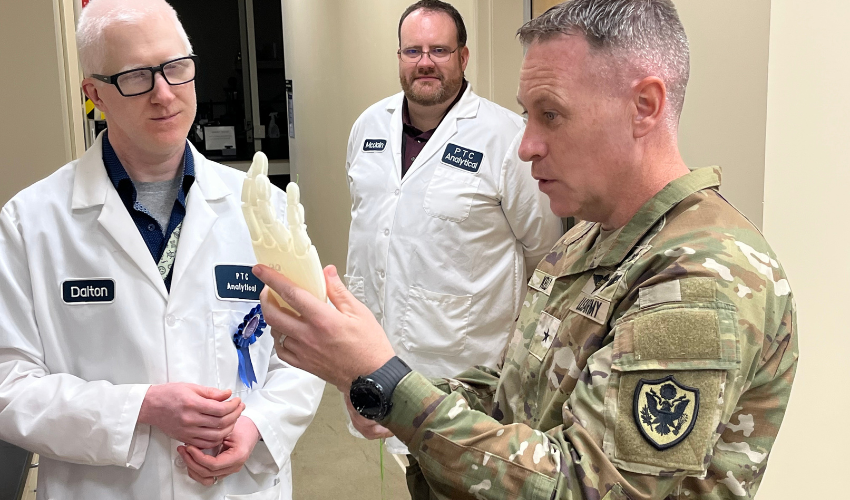
The United States Defense Logistics Agency (DLA) recently announced its new 3D printed solution to help improve safety during hazardous glove testing. The engineers at the DLA Analytical Product Test Center in Philadelphia have developed an artificial hand that can flex and retract its fingers. This will allow researchers to test different types of protective gloves against jet fuel exposure without risking human safety.
Previously, in order to test gloves, a person would place their gloved hand inside a fuel-filled container. If the glove failed, then the tester became exposed to jet fuel, which could cause irritation, cracking, and rashes on the skin. Edward Dalton, a general engineer at the testing center, recognized this danger and proposed an alternative method. He proposed to design a 3D printed surrogate hand that would be capable of movement, allowing the team to replicate the required tests without the use of human subjects.
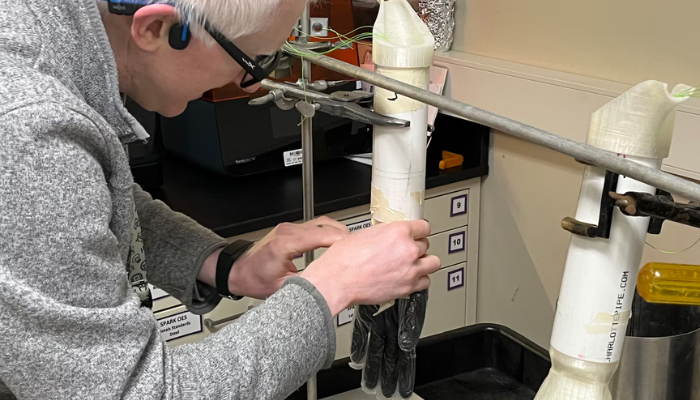
The design and overall project took around several months to complete; however, it is already yielding positive results for the lab. The team commented that since the introduction of the new hand, there has been a clear reduction in risk and improved efficiency. The artificial hand can be printed in different sizes and even customized to match specific glove designs. This eliminates the need to find human testers who have specific hand proportions. According to Dalton, this new flexibility has opened up more opportunities to adapt 3D printing for future testing processes.
More from the desk
Six other notes from the rest of the bench.
 NewsTop 5 Videos: PLA vs. ABS & 3D-Printed RocketsThis week discover, among other things, the properties and characteristics of PLA vs. ABS, two of the most popular polymers in the 3D printing industry. Next, explore the world of 3D-printed rockets being used for space missions. Moving on to…
 Applications3i-PRINT project creates 3D printed front end on classic Caddy 1 carVolkswagen is breaking into a full sprint with 3D printing following their recent project on 3D printing spare parts for their older modeled cars. In this latest development from the company, they are now working on a project alongside Altair,…
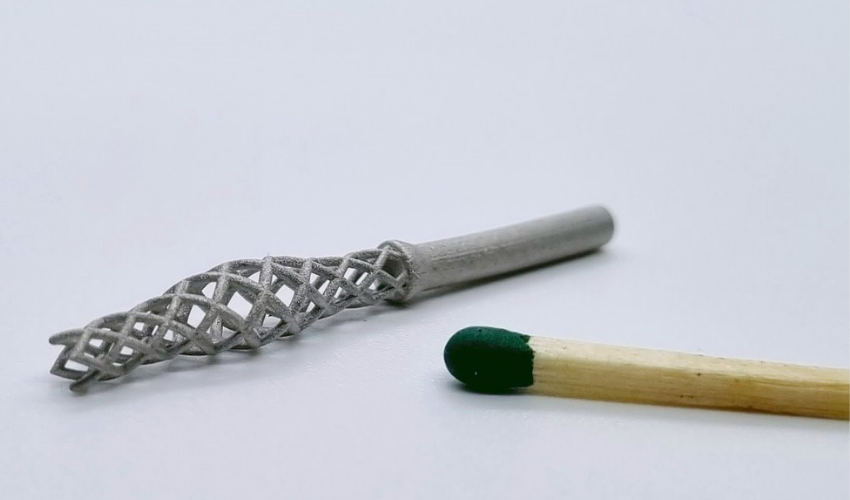 GuidesMetShape Discusses its Innovative Lithography-Based Metal Manufacturing (LMM) and Investment from AM VenturesBack in March 2021, AM Ventures announced the launch of a first-of-its-kind, venture capital fund solely devoted to industrial 3D printing. Now, the company is set to announce their first investment in a production and development provider, MetShape. MetShape is…
 NewsNew 3D Printed Wood Heralded as Greener Alternative to Traditional ManufacturingWhen we think of furniture or homes, it is undeniable that the material that comes first to mind is wood. However, the creation of objects with wood has been controversial due to wasteful practices that contribute to air, water and…
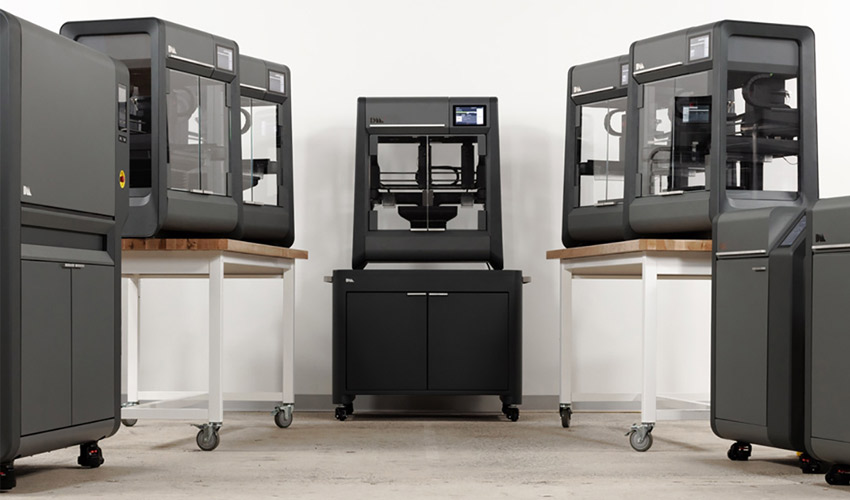 NewsDesktop Metal funding reached $160 millionDesktop Metal is a maker of 3D metal printing systems for commercial and industrial use. They have just raised $160 million in new funding which will help expand the adoption of their Studio System and Production System printers. Desktop Metal,…
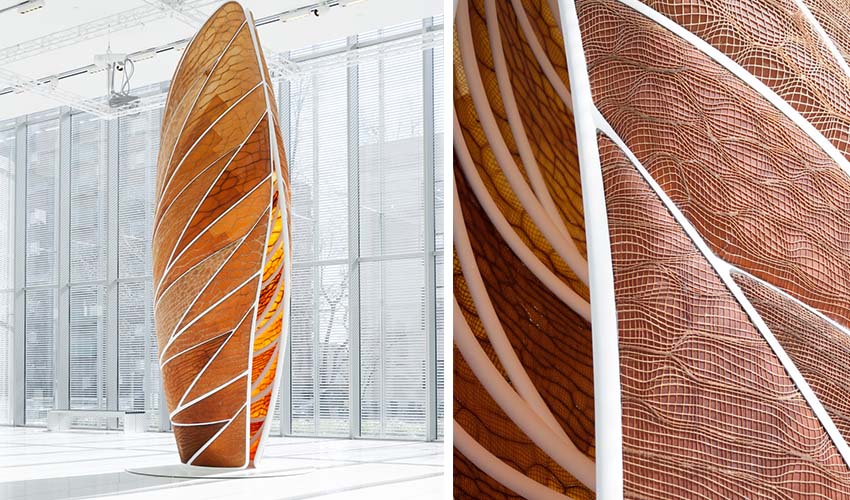 NewsCreating beautiful 3D printed structures inspired by natureTogether with acclaimed designer Neri Oxman and The Mediated Matter Group, Stratasys is showcasing how its 3D printing technology can achieve great art and design opportunities by producing beautiful 3D printed structures inspired by nature. The project is a collection…