News
3D Printing to Maintain Cornell’s Eco-Friendly Lake Source Cooling System
Maintaining sustainability on a large campus can be a complex challenge, as balancing environmental responsibility with efficient operations requires innovative solutions. Last week, Cornell University’s Lake Source Cooling (LSC) system underwent essential maintenance to combat t
- 3 min read
- News
- Six more stories
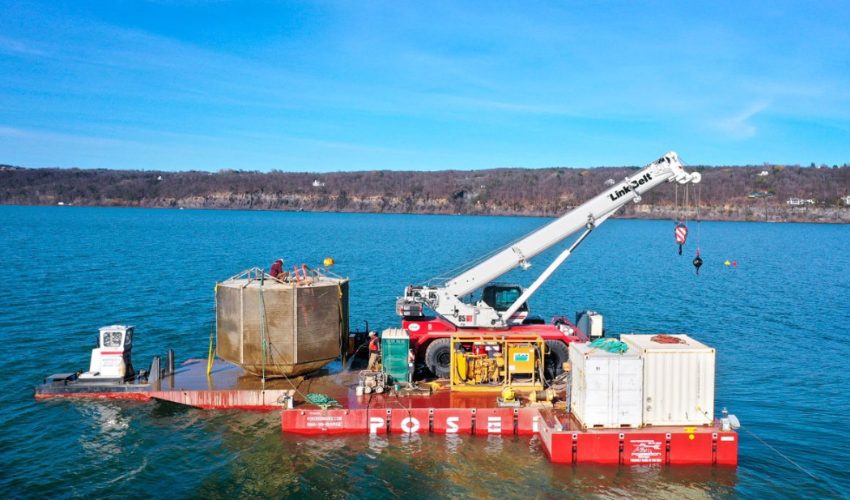
Maintaining sustainability on a large campus can be a complex challenge, as balancing environmental responsibility with efficient operations requires innovative solutions. Last week, Cornell University’s Lake Source Cooling (LSC) system underwent essential maintenance to combat the challenges posed by invasive mussels and debris. This project has seen the integration of innovative 3D printed components, highlighting a collaborative effort among engineers, students, and cutting-edge 3D printing technology.
The LSC system, which leverages the icy depths of Cayuga Lake for cooling, has significantly reduced electricity consumption and overall costs for Cornell University and Ithaca High School. This has saved the institutions more than 20 million kilowatt hours of electricity per year without the use of refrigerants or the release of toxic greenhouse gases. However, the accumulation of zebra and quagga mussel colonies has threatened the system’s efficiency by drastically reducing water flow, requiring periodic, but extensive maintenance to ensure its continued operation at peak performance.

The Lake Source Cooling System of Cornell University.
Typically, the first step of this maintenance process involves hooking chains to the large metal screen of the LSC, submerged 250 beneath the surface of Cayuga Lake. The attachment allows the screen to be raised from the lake floor for cleaning. However, after multiple failed attempts to align the chains with the screen, it became evident that Cornell University required an innovative solution. Turning to the advantages of 3D printing, Cornell determined it to be the optimal tool for enhancing efficiency during the operation.
More from the desk
Six other notes from the rest of the bench.
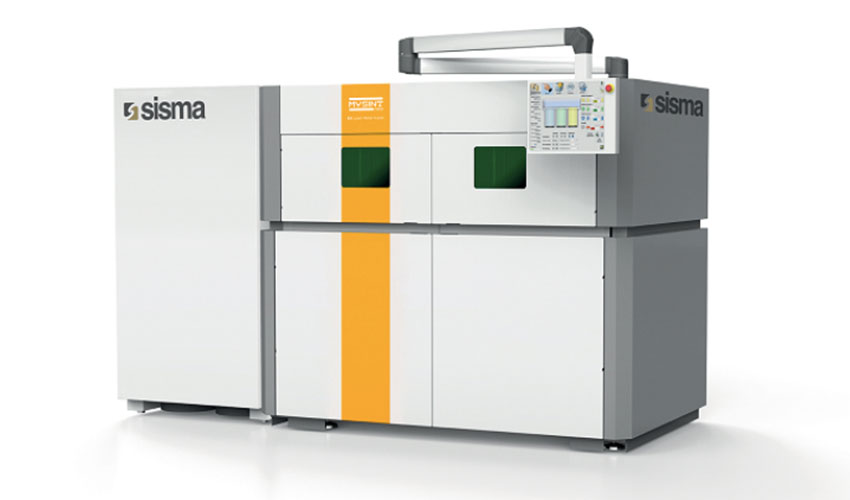 PrintersSisma unveiled new PBF and DLP solutions during FormnextThe Italian-based manufacturer of laser systems, SISMA, unveiled two new promising solutions at Formnext 2019 last week. The new EVEMET 200 series is a Powder Bed Fusion system and the new EVERES VARIO, a new DLP system. The company works…
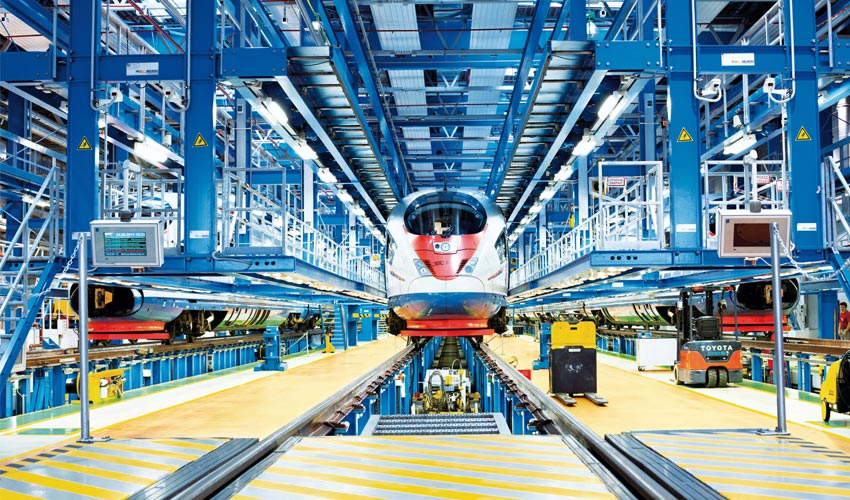 NewsSiemens Mobility further invests in 3D printing to support rail maintenance operationsSiemens Mobility Services is continuing its collaboration with the manufacturer Stratasys by investing in new Fused Deposition Modeling machines: these are expected to be used for maintenance operations in Russia, particularly on Velara trains for the RZD railway company. Accordi
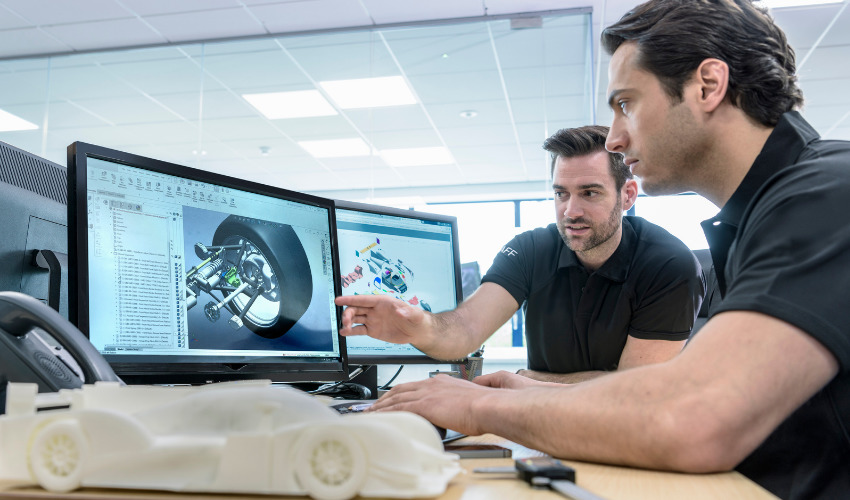 NewsDassault Systèmes and Xometry Partnership to accelerate part productionBefore the COVID-19 pandemic hit the West, Dassault Systèmes and Xometry announced during the 3DEXPERIENCE World event in Nashville, Tennessee that they would be partnering to provide customers with a seamless, integrated way to produce parts that accelerates the concept…
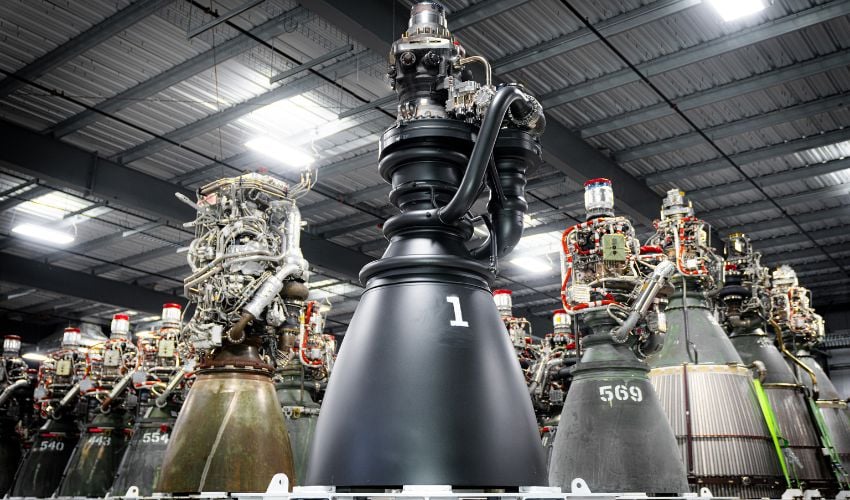 ApplicationsSpaceX Optimizes Raptor 3 Engine With the Help of DfAM and 3D PrintingElon Musk has not only caused a stir in the last week with inflammatory statements on social issues as well as his growing support for Donald Trump’s re-election, but also with a new announcement about the production of the Raptor…
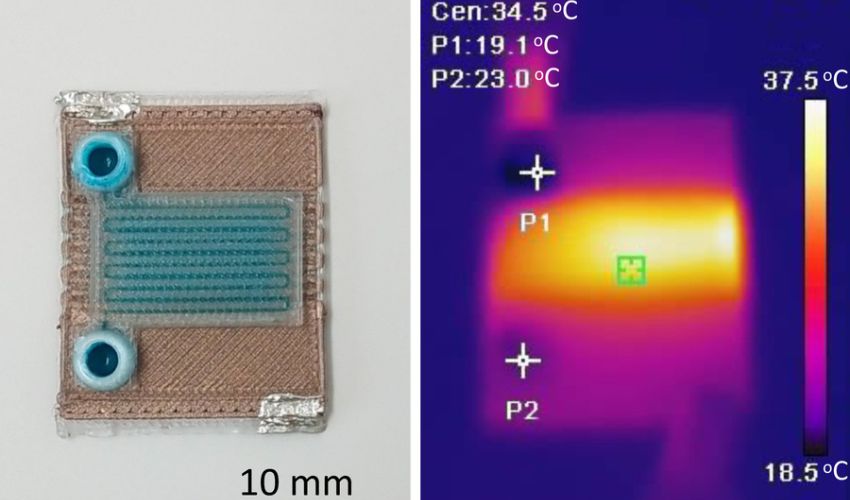 ApplicationsMIT Researchers Use 3D Printing to Create a Self-Heating Microfluidic DeviceYou don’t have to be an engineer with extensive technical knowledge to come into contact with microfluidics and their applications. The aim of microfluidic systems is to control small quantities of liquids in tiny networks and channels, and to discuss…
 NewsTOP 5 videos of the week: Tracking 3D prints and much more!We found the TOP 5 videos of the week related to 3D printing and collected the additive manufacturing here. Share your videos and comment on the article below or on the 3Dnatives’ Facebook or Twitter account. Hope you’ll enjoy and…