News
MX3D and Altair 3D print an optimized industrial robot arm
MX3D is specialized in robotic 3D printing, its mission being to introduce the advantages of metal 3D printing to high-impact industries. More precisely, the company creates robust and easy to use robotic additive manufacturing technology enabling users to create large…
- 3 min read
- News
- Six more stories
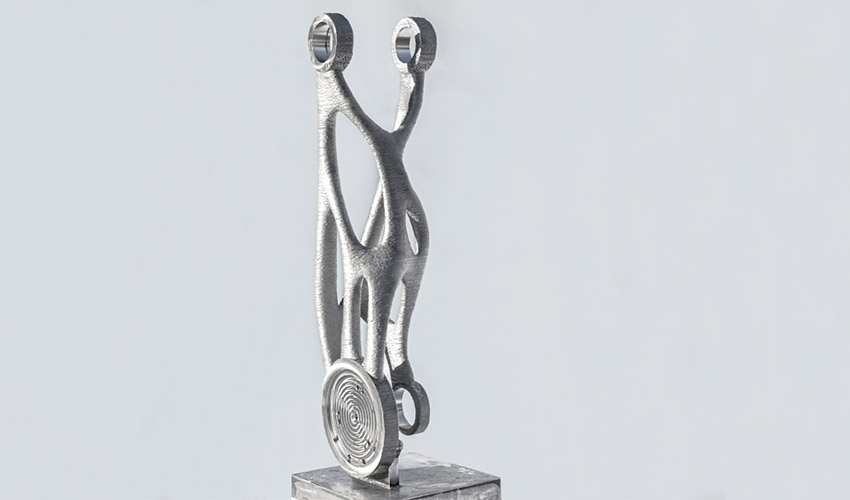
MX3D is specialized in robotic 3D printing, its mission being to introduce the advantages of metal 3D printing to high-impact industries. More precisely, the company creates robust and easy to use robotic additive manufacturing technology enabling users to create large objects in metal. Recently, the company collaborated with Altair to 3D print an optimized industrial robot arm. This robot arm was designed by the engineers at Altair, using generative design methods to achieve optimal results. This project is an application of large-scale metal 3D printing for Heavy Equipment Parts with the goal to customize and optimize the robot arm for operational requirements and conditions.
In our latest expert advice piece, we told you about Design for Additive Manufacturing (DfAM). The design techniques under DfAM emerged because of the enormous design freedom and unique capabilities provided by AM technologies, as opposed to traditional methods such as CNC machining, where some designs were simply impossible to manufacture. Thanks to generative design for example, engineers are able to arrive at a design that meets performance requirements better, faster, and lighter, using computational methods. During this project, generative design customization and a digital twin design approach were performed.
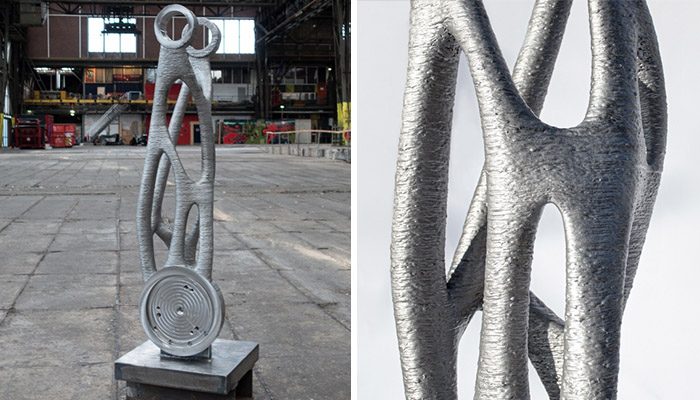
The industrial robot arm | Credits: MX3D
MX3D and Altair explain that thanks to these techniques they were able to increase productivity for tailored robotic applications, reducing the weight of the original part by 50%. The stainless steel robot in question was 3D printed using MX3D’s WAAM (Wire Arc Additive Manufacturing) technology. The WAAM technology features advanced geometry processing which allows complex organic geometries to be printed upright.
More from the desk
Six other notes from the rest of the bench.
 ApplicationsL’Oréal Doubles Down on HP’s Digital Manufacturing Network for Flexible Production ExpansionBack in 2017, L’Oréal revealed that 100 percent of its new product packaging involved 3D printing. Since then, L’Oréal has been able to integrate even more additive manufacturing processes throughout product production for its varied product lines. Recently, HP announ
 NewsFast Complexity: Efficient and customizable concrete 3D printingAdditive manufacturing is starting to play a very important role in the construction industry. Concrete 3D printing keeps gaining more and more popularity among architects and construction firms for two main reasons – it is cheaper and faster than the…
 ApplicationsBlueflite Has Developed a 3D-Printed Hydrogen Storage System for UAVsIn the years to come, drones could play a decisive role in many areas, ensuring the rapid and safe transport of goods. Isolated rural areas in particular stand to benefit, as drones can quickly supply them with medicines or emergency…
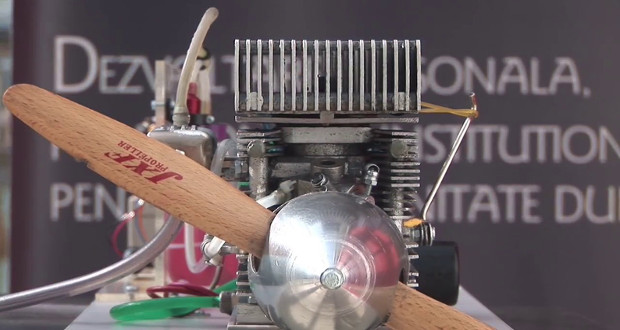 ApplicationsRomanian Engineer 3D prints first ever airplane engine prototypeThe aerospace industry has been making gains left and right thanks to additive manufacturing technology. Between investments made by large corporations that are helping to create 3D printed parts for the interior of planes, to the creation of a giant 3D…
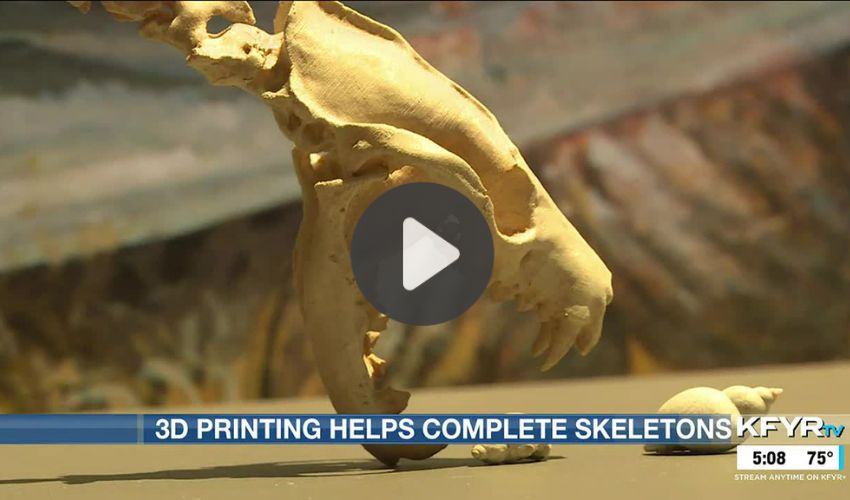 NewsTop 5 Videos: Palaeontologists Use 3D Printing to Complete Skeleton of Prehistoric BearIt is once again Sunday, which means it is time for the week’s top 5 3D printing videos! This week’s content features another Inside 3D Tour at 3D Printing company XJet’s headquarters, how additive manufacturing’s contributions in the field of…
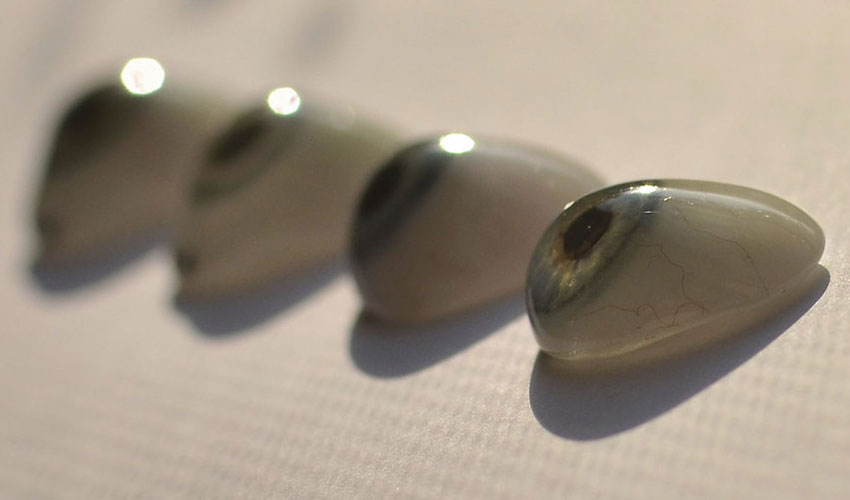 ApplicationsThe marketing of the first 3D printed eye has begunThe Severance Hospital belonging to the Yonsei University (YUHS), in South Korea, has announced that after more than three years of research they are preparing to market the first 3D printed eye, an eye prosthesis that will help hundreds and thousands…