Applications
IMcoMET Fights Skin Cancer With Micro 3D Printing
Rotterdam-based startup IMcoMET works in the medical sector, specializing in the development of solutions to fight cancer, particularly skin cancer. To do this, the company extracts interstitial fluid, filled with biomarkers, from the skin in a localized manner, to study…
- 3 min read
- Applications
- Six more stories
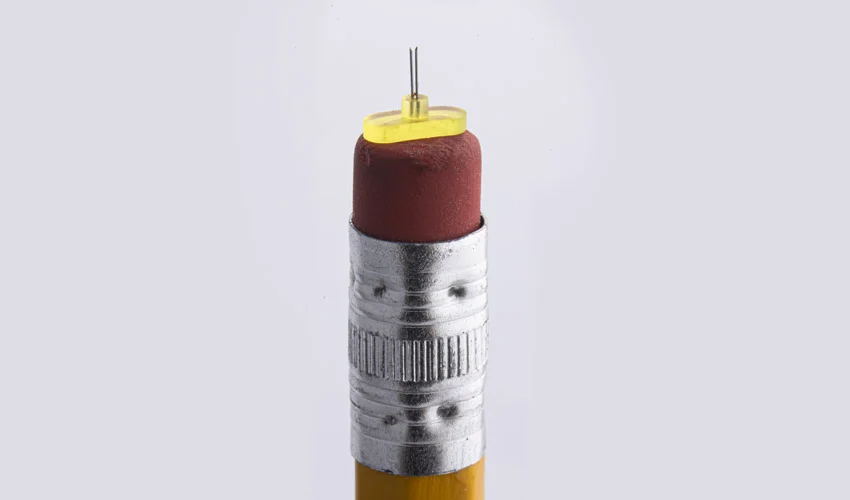
Rotterdam-based startup IMcoMET works in the medical sector, specializing in the development of solutions to fight cancer, particularly skin cancer. To do this, the company extracts interstitial fluid, filled with biomarkers, from the skin in a localized manner, to study it and improve dermatological diagnosis. The aim is to advance biomedical research and provide personalized solutions. Furthermore, to achieve this goal, the start-up relies on 3D printing, and more specifically on microprinting solutions from American manufacturer Boston Micro Fabrication (BMF). Thanks to BMF’s 3D printers, IMcoMET is able to develop microneedle technology, enabling it to extract this famous liquid in a precise, localized manner.
The majority of analyses carried out on the human body are performed using blood, involving invasive techniques and results that are often inconclusive due to coagulation. This is why other body fluids are of interest, notably dermal interstitial fluid. This is a fluid that circulates between tissue cells and incorporates numerous biomarkers. Most of the time, the fluid is extracted using microneedles. And there are many different types of microneedles on the market – for example hollow and porous, among others.
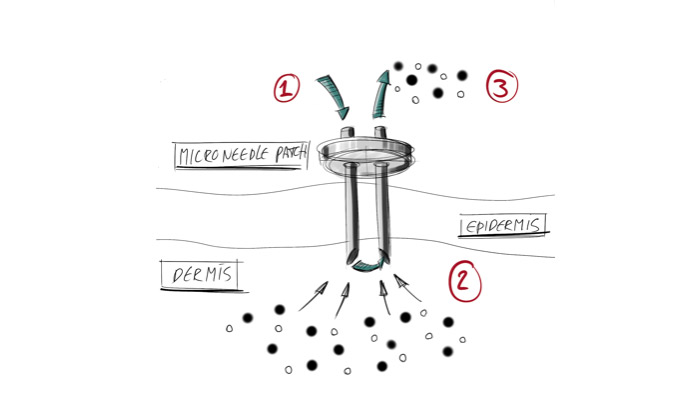
IMcoMet’s patented technology in action
However, one of the challenges associated with this method is the volume of liquid extracted: most of these microneedles, which are inserted directly into the skin, do not provide a sufficient quantity. This means that numerous needles are required to achieve the desired volume, which is not the easiest or most pleasant method. That’s where startup IMcoMET comes in: the aim was to develop a precise, minimally invasive device that could extract enough fluid in one go, doing so in a highly localized manner.
More from the desk
Six other notes from the rest of the bench.
 GuidesThe Top Applications in Food 3D PrintingWhat might have once seemed a fantasy, is quickly becoming a reality. Food 3D printing has been growing rapidly in the past few years and already we are seeing 3D printed food being sold and even offered in universities and…
 NewsMEAN* creates 3D printed pavilion in Dubai to explore sustainable constructionDubai has welcomed major 3D printing construction projects, possibly more than any other city in the world. The city is truly home to much of the innovation and experimentation in this sector. Recently, the Middle East Architectural Network, also known…
 NewsSAHIF Leads the Charge for Earthquake-Proof 3D Printed Housing in South AfricaEarthquakes are one of the scarier natural phenomena in the world. Though most are mild, those that are particular shallow or strong can cause unbelievable devastation such as the one that hit Turkey and Syria earlier this year which, according…
 NewsRevenues Soar as Shipments Dip In Global 3D Printer LandscapeAccording to a study by CONTEXT, revolutionary shifts and fierce competition have set the stage for the global 3D printer industry as it experienced a mixed bag of results in their latest quarter analysis. While the allure of billion-dollar mergers…
 ApplicationsUK Government to Support Advanced Manufacturing with New Modern Industrial StrategyOn June 23, the United Kingdom launched its Modern Industrial Strategy for 2025—a ten-year blueprint aimed at driving investment into the industries of the future. Designed to accelerate business growth and provide long-term stability, the strategy seeks to make it…
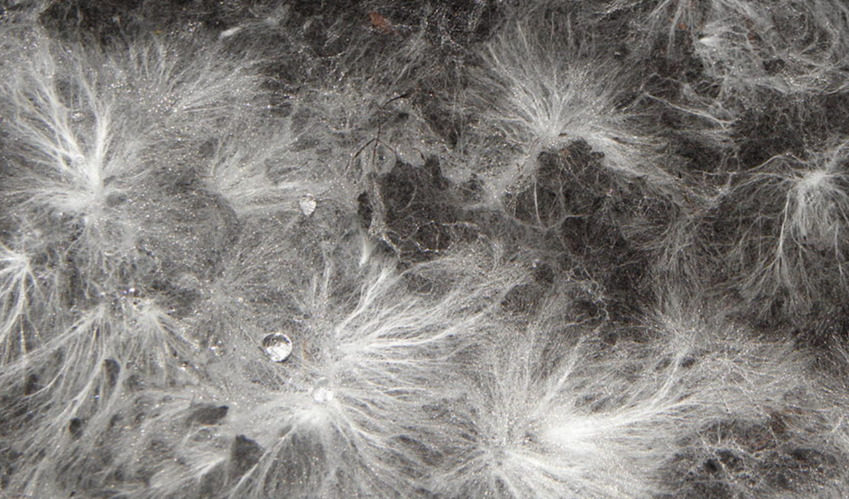 NewsFungi Filament for Sustainable SoundproofingResearchers have developed sustainable soundproofing using the fungus-based material, mycelium, and 3D printing technologies. The majority of modern soundproofing panels are made of synthetic foams or mineral fibers. These are neither sustainable nor recyclable. Mycelium, however