Applications
HRE develops the world’s first 3D printed titanium rim
HRE is a US manufacturer of aluminum rims for racing and luxury cars. Since its creation in 1978, the company has been designing customised solutions that emphasise aesthetics and performance. It recently turned to additive manufacturing and more specifically to GE…
- 3 min read
- Applications
- Six more stories

HRE is a US manufacturer of aluminum rims for racing and luxury cars. Since its creation in 1978, the company has been designing customised solutions that emphasise aesthetics and performance. It recently turned to additive manufacturing and more specifically to GE Additive to develop the world’s first 3D printed titanium rim. Called HRE3D +, it proves the capabilities of metal additive manufacturing in terms of geometric complexity in the automotive field.
The use of 3D printing in the automotive sector is not new – this is one of the most popular markets for 3D technologies. However, it is used relatively little in the creation of wheels and rims, although some initiatives tend to pop up from time to time. This was the case of the 3D printed wheel rim by BigRep, a prototype created with the 3D Studio printer. This time, HRE are the ones bring the innovation by offering the first 3D printed titanium rim. It was created through Electron Beam Melting (EBM) technology.
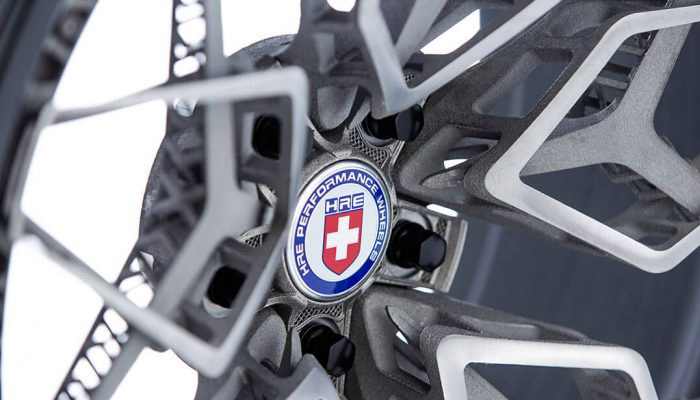
3D printed titanium rim: lighter and less expensive
GE Additive and HRE’s primary goal was to reduce the amount of material wasted. The project was a successful bet for both partners. They explain that by resorting to additive manufacturing, they lost only 5% of the original material. In comparison; with traditional production methods, this can go up to 80%. It is important to know that when a wheel is forged, it starts with a big block of 45 kilos metal, usually aluminum. Most of this material is then machined to obtain a light and strong rim. Titanium has more interesting characteristics than aluminum, such as better resistance to corrosion and strength. However, performing the same machining operation from titanium would be extremely expensive. That’s why 3D printing can be an interesting alternative.
More from the desk
Six other notes from the rest of the bench.
 NewsETH Zurich Will Use Robots to Make a 3D Printed Cultural SiteETH (Swiss Federal Institute of Technology) Zurich is very active in the field of additive manufacturing. This is shown not only by the numerous partnerships but also by the long list of spin-offs, among which some companies, such as 9T…
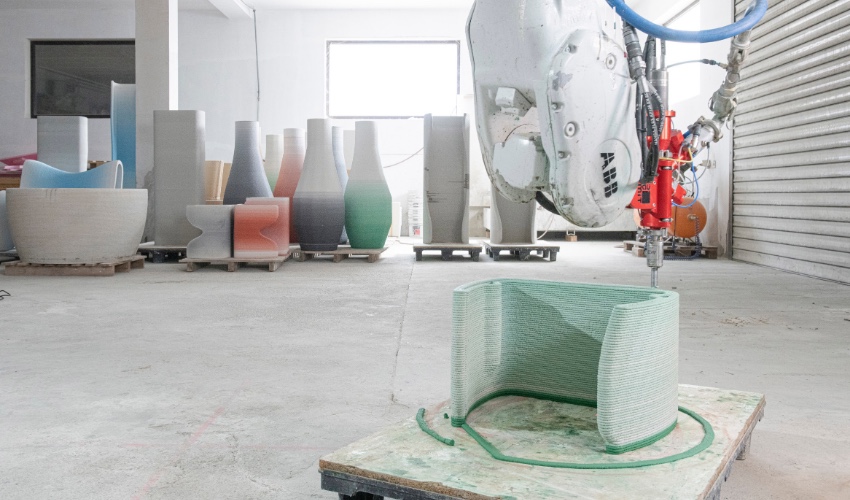 GuidesPhilipp Aduatz on Using 3D printing to Design Colorful Concrete FurnitureDesign freedom is one of the most important strengths of additive manufacturing. This is why various 3D printing processes are also being used more and more frequently in the creative industry. They offer unprecedented possibilities in the design process, meaning…
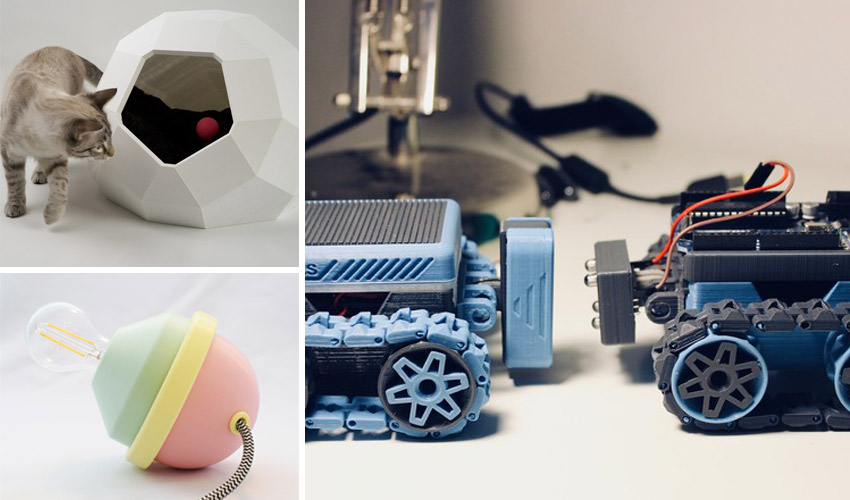 NewsThe TOP 10 3D Printing Files (STL) Of The Year!Every year, 3Dnatives reveals the best 3D models you can find and easily download! This January, we compiled a list of the ten best 3D printing files you can easily get your hands on. This ranking has been put together…
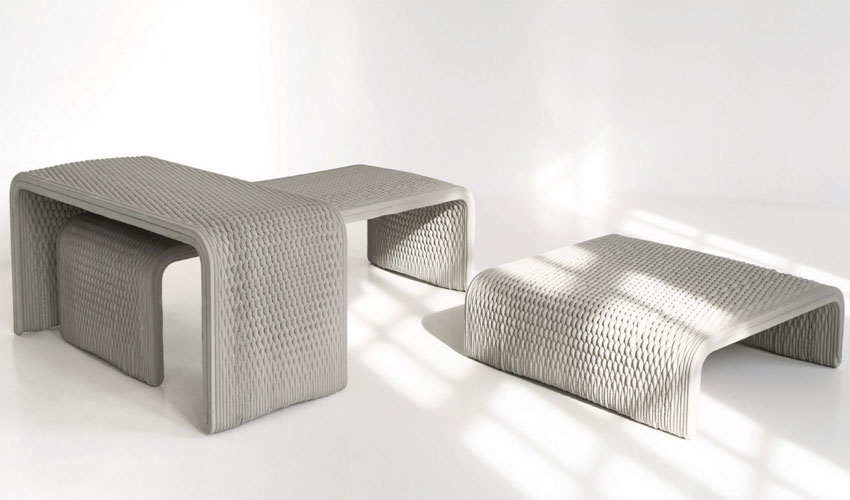 NewsXtreeE prints concrete 3D printed benches with complex patternsThe French Startup XtreeE – 3D Concrete Printing Specialist – is presenting one of his latest works in collaboration with Studio 7.5, a German design firm. Together, they created three 3D printed concrete benches, all with the same woven pattern. The…
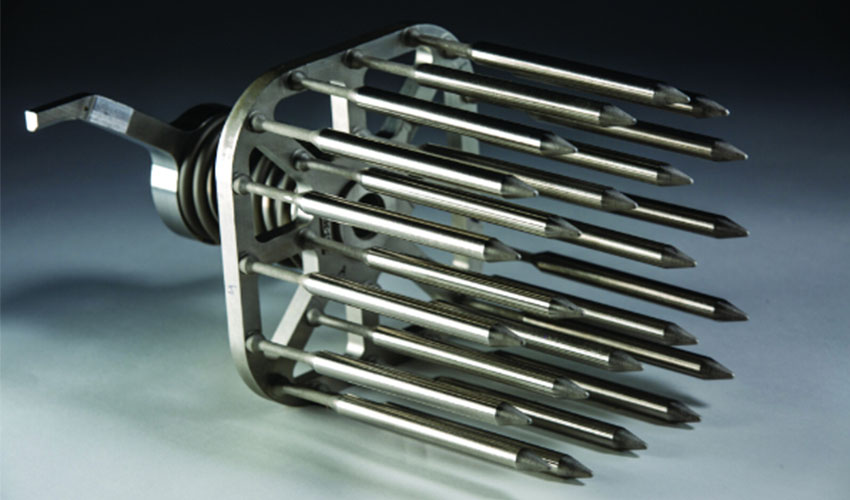 NewsFirst installation of a 3D printed thimble plugging device in nuclear plantThe American nuclear power company, Westinghouse Electric Company, announced it has successfully 3D printed a thimble plugging device for the nuclear industry. A thimble plugging device is used to hold nuclear fuel as it is lowered into the reactor core,…
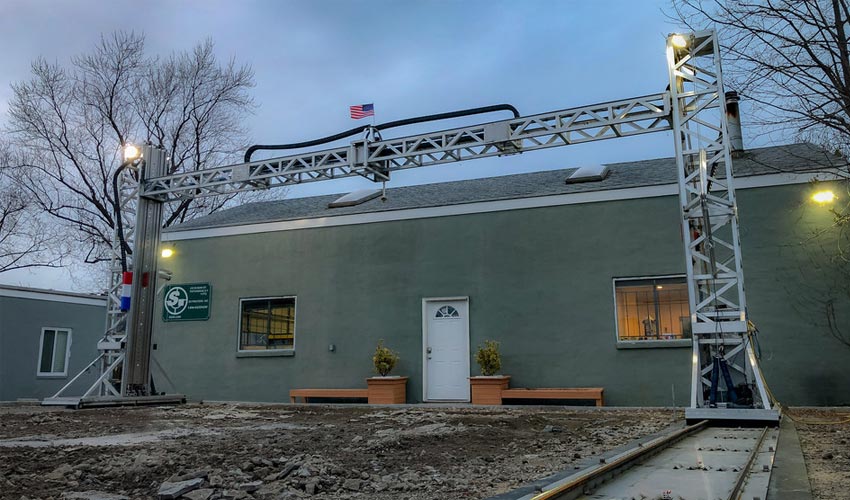 PrintersS-Squared 3D printers creates 3D XXL printer for constructionS-Squared 3D printers (SQ3D) is a New York-based 3D printer manufacturer that has just filed a patent for its solution called Autonomous Robotic Construction Systems (ARCS), a 3D printer designed for the construction industry to speed up the process of…