Guides
#3DStartup: Augmental’s MouthPad^ Makes Technology More Accessible
What if it were possible to control a computer, tablet, or phone without moving a finger? For people with paralysis, Mouthpad^ from Augmental makes this a reality. The device sits discreetly on the roof of the mouth and converts subtle head…
- 3 min read
- Guides
- Six more stories
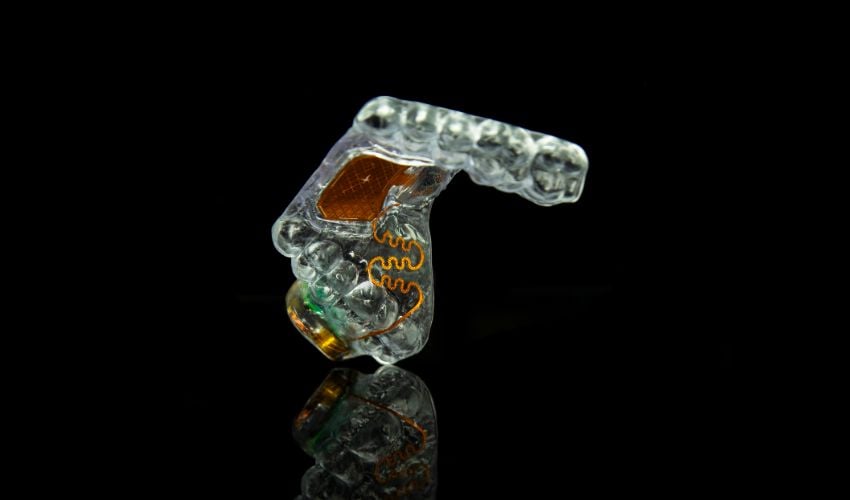
What if it were possible to control a computer, tablet, or phone without moving a finger? For people with paralysis, Mouthpad^ from Augmental makes this a reality. The device sits discreetly on the roof of the mouth and converts subtle head or tongue gestures into mouse-like commands such as scrolling, clicking, and dragging on any device, with no software required. Users can speak normally while wearing it, and the device remains virtually invisible to others. Thanks to 3D printing, each Mouthpad^ is custom-made for comfort. Designed to make technology truly accessible, Mouthpad^ provides users with a new level of independence. We spoke with Co-founder and CEO Tomás Vega to learn about his inspiration for the company, the 3D printing technology behind the device, and upcoming projects.
1. Could you briefly introduce yourself and tell us how you first got involved with 3D printing?

Co-Founder and CEO of Augmental, Tomás Vega
My goal in life is to build cyborgs — humans that are augmented by technology. When I was 5 years old, I started stuttering, so a keyboard and a mouse became outlets for me to overcome my “limitations.” I became obsessed with technology. In high school, I worked with people with multiple sclerosis, and I further understood how fast one’s life can change. All of this led to me studying brains and computers in undergrad, with the goal of understanding how the brain and body work so I could probe them, hack them, and augment them. The human body and its operation is physical — we live in a physical world. In order to make devices that augment our abilities, I had to make systems that are physical. That led me to learn electronics and digital fabrication.
I joined a makerspace at Berkeley, the CITRIS Invention lab (where I learned a lot from Chris Myers!). I became a super user, which meant I had access 24/7. I learned to use laser cutters, 3D printers, CNC mills — my favorite was the LPKF S63. I was able to make double-sided PBCs in a matter of hours. I did a bunch of hackathons and won some competitions, and I got 3D printers as prizes. I had multiple 3D printers in my room, so I’d print everything I needed.
More from the desk
Six other notes from the rest of the bench.
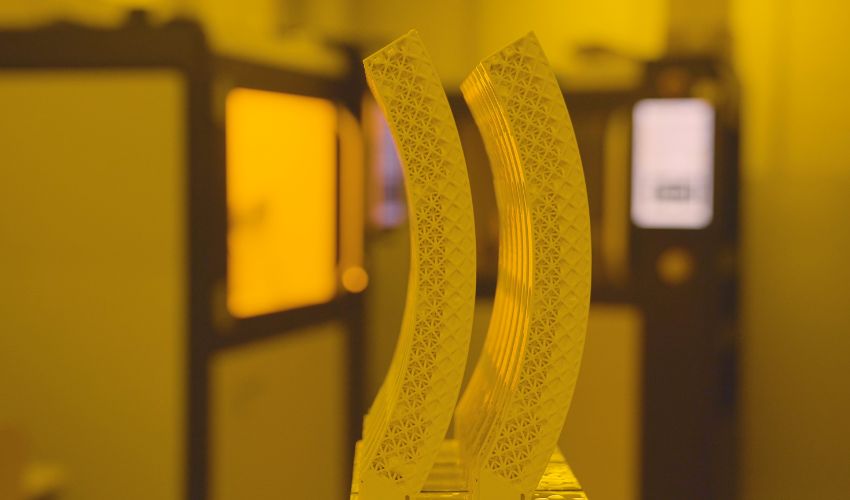 PrintersLithoz Premieres CeraFab S320 at Formnext: Ready for the Series Production of Medium-Sized Ceramic PartsLithoz is committed to delivering high-performance solutions for technical ceramics. The company’s innovative developments – including powerful ceramic materials, LCM technology and the CeraFab System series – are proof that Lithoz is living up to these promises. Now,
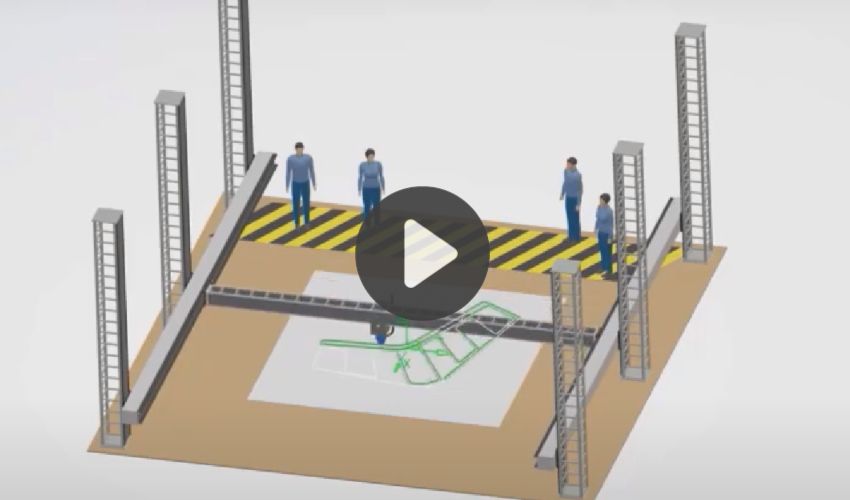 NewsTop 5 Videos: 3D Printing Concrete SimulatorHello and welcome back to another top 5 videos of the week, where we’ve been burning the midnight oil in an effort to bring you the latest and greatest, most interesting and unique, and sometimes just unexplainable, you-just-have-to-watch-it content there…
 NewsUS Army to Work With ICON to Make the Largest 3D Printed Buildings in the WestOnce again, the US military has turned to additive manufacturing. After engaging the services of Boeing, ExOne and other 3D printing companies, the US army has once again partnered with the now famous construction company ICON. In the past, the…
 NewsTop 5: A Talk With SolidCAM About Their Decision To Move Into the AM MarketIt’s Friday again and you know what that means. It’s time for our weekly top 5 videos from the exciting world of 3D printing! We start off this week’s top 5 videos with an interview with Dr. Emil Somekh, Ceo…
 NewsWhat If the Next 3D Printing Material Came from Your Kitchen?Researchers at Chalmers University (Sweden) have developed a biodegradable material for 3D printing made from baker’s yeast, wood cellulose fibers, seaweed alginate, vegetable glycerol, and water. The end result aims to be an alternative to construction materials such as plastic,
 PrintersWho Are the American Metal 3D Printer Manufacturers?Additive manufacturing has spread all over the globe, especially in the United States, where it all started. From 1987 when stereolithography was first introduced by Chuck Hull to the advent of the first metal AM technologies in the 1990s, AM…