Materials
How to Properly Store Filaments for 3D Printing
FDM/FFF 3D printing is becoming increasingly popular, especially for private use. Whether at home or in the office, 3D printing with filaments can not only be a handy way to create everyday objects, it also gives free rein to creativity…
- 3 min read
- Materials
- Six more stories
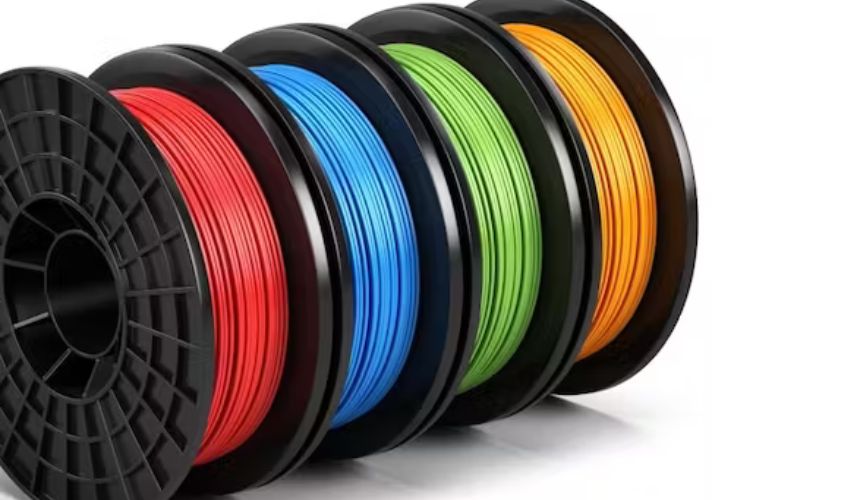
FDM/FFF 3D printing is becoming increasingly popular, especially for private use. Whether at home or in the office, 3D printing with filaments can not only be a handy way to create everyday objects, it also gives free rein to creativity and is fun and enjoyable for everyone – young and old! But that does not mean that there are not challenges. This includes proper filament storage.
The selection of filaments required for printing is extremely broad. Various manufacturers offer filaments made from a wide range of plastics. These days, the range extends from conventional plastics such as PLA, ABS and ASA to PETG, nylon and high-performance plastics such as PEEK and PEKK. But as different as the filaments may be, they all have one thing in common – they must always be stored correctly in order to achieve optimum printing results. In this guide, we will show you the correct way to store filaments for 3D printing.
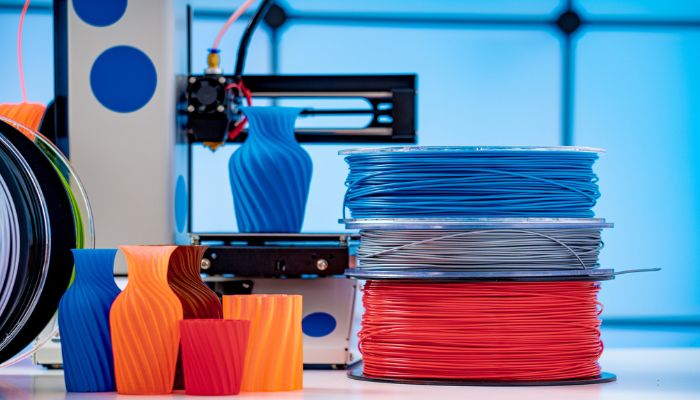
Photo Credits: Cults
Why Is Filament Storage Important?
First, it is important to clarify why filaments for 3D printing need to be stored correctly. Each material has different properties and characteristics, so some plastics such as nylon and PVA are more sensitive to environmental influences than others. Incorrect storage of the different materials can lead to faulty and unsightly printing results.
More from the desk
Six other notes from the rest of the bench.
 MaterialsThe NSF Is Investing in ‘Revolutionary’ 3D Printing MaterialsIn terms of innovations in additive manufacturing, one area that is continuously being explored by not just companies but also government institutions is undoubtedly materials. Though the sector has come far in terms of what is available, there are still…
 Printers3D Potter’s technology facilitates clay 3D printing3D Potter, based in Florida, manufactures dedicated ceramic 3D printers that can use real clay. Their 3D printers use a cardinal axis system, rather than a Delta printer configuration, which allows precise control with minimal effort to be achieved. The…
 NewsGE to Use 3D Printing to Extract Carbon Dioxide From the AirAfter a summer of rising temperatures and catastrophic weather, never before has the climate crisis been so evident. As a result, governments and companies around the globe are searching for solutions including ways to take carbon out of the air…
 GuidesForust Corporation designs interiors with 3D printed woodForust Corporation is a wood technology company that leverages 3D printing to create beautiful and sustainable interior design pieces. The company’s goal is to manufacture with wood but without damaging our planet’s ecosystem. Forust Corp. was created by the founders of&hel
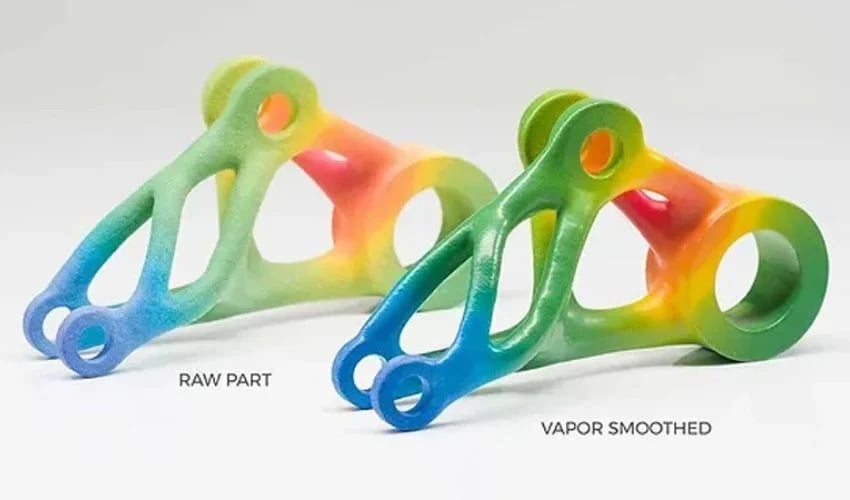 NewsAll You Need to Know About Vapor Smoothing in 3D PrintingMany parts are not immediately usable after 3D printing and, depending on the printing process chosen, require cleaning and finishing. Through this, it is possible to improve an object’s mechanical properties or refine its surface finish. There are a multitude…
 NewsSolidCAM Assists CNC Machine Shops in Adopting Additive ManufacturingAs we know, in the manufacturing industry, additive and subtractive technologies can be key resources when used complementarily. However, in many sectors, there are still barriers to the integration of 3D printing as a production method, whether due to costs,…