News
Formlabs’ Latest Report Shows Increasing Adoption of Additive Manufacturing
Formlabs recently released its first-ever study, the aptly-named “2022 3D Printing Application Report.” The market research was conducted by the company in conjunction with Industry Week and Machine Design in November 2021 and received more than 400 responses. The rep
- 3 min read
- News
- Six more stories
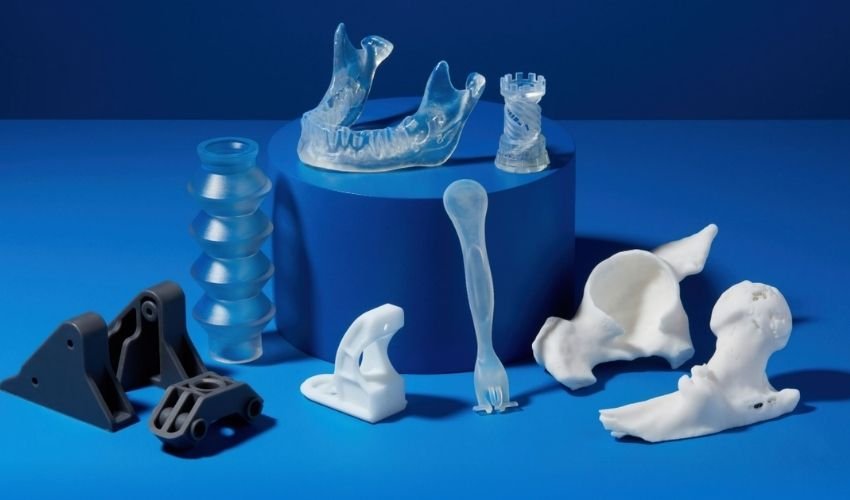
Formlabs recently released its first-ever study, the aptly-named “2022 3D Printing Application Report.” The market research was conducted by the company in conjunction with Industry Week and Machine Design in November 2021 and received more than 400 responses. The report specifically shows how much the adoption and attitude toward 3D printing has changed. Over the past two years, the use of additive manufacturing has continued to evolve, according to Formlabs. This is thanks to new consumer behavior and changing requirements. Additionally, the study clearly showed what we have already started to see, that 3D printers are not only used for the production of protoytypes but for more industrial applications, including end-use parts.
In the introduction of the study, co-founder and CEO of Formlabs, Maxim Lobovsky, explained that the pandemic was a crucial turning point for the digital revolution. He commented, “Over the past few years, we have seen a rapid expansion of digital fabrication applications into manufacturing processes. Accelerated by COVID supply chain disruptions, we’ve seen 3D printing add flexibility, mitigate risk, streamline workflows, and support traditional manufacturing methods in new and exciting way.” Manufacturing in particular has benefited, he continued, with companies steadily expanding their own 3D printer capabilities.
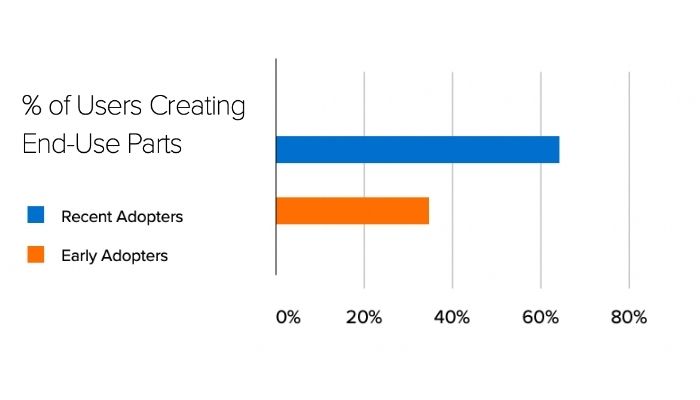
More and more companies are using additive manufacturing for the production of end-use parts (photo credits: Formlabs)
In fact, almost half of the companies surveyed said they had already set up their own teams dedicated exclusively to additive manufacturing. This perhaps gives reason to believe that 3D printing has ushered in and brought together the era of mass production and customization. This combination is enabling more and more companies to move away from prototypes and towards 3D printing end-use parts. In this case, the survey data shows that rapid prototyping (58%) and the creation of models and props (53%) are still important applications, though the boundaries of prototyping are already being greatly expanded. Greater flexibility, more durability and other features are enabling companies to use additive manufacturing to create final products. Indeed, over 60% of existing 3D printing users are already using this for their end products, with one-third of new users also using the technology in this way.
More from the desk
Six other notes from the rest of the bench.
 NewsUnsmashable 3D printed guitar imagined by SandvikSandvik, an expert in metal additive manufacturing, has developed an original 3D printed guitar: it is apparently unbreakable. No matter how much force the musician uses to smash it against the ground, it should not break. Guitar smashing, which began…
 NewsThe use of steel in additive manufacturing is increasing according to SmarTech AnalysisSmarTech Analysis has just published a new study, this time on the steel and additive manufacturing market. This metal is believed to be the most widely used in 3D printing: the number of deliveries in powdered steel grew by 48%…
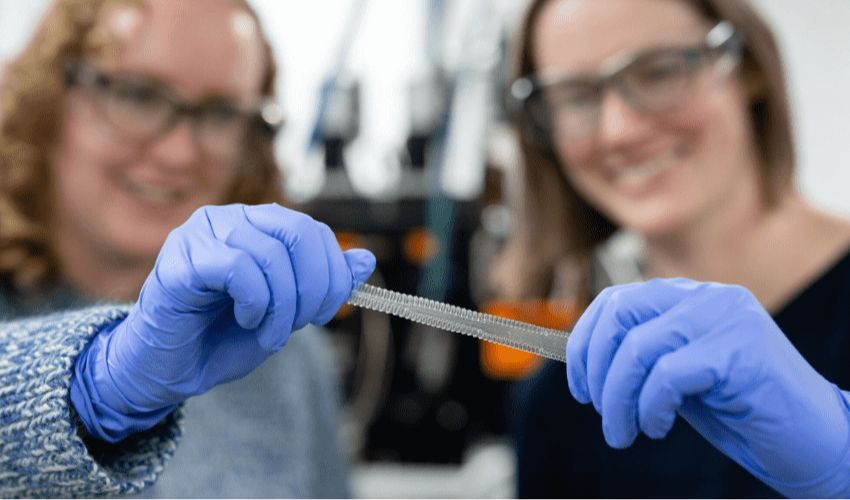 MaterialsRigid or Elastic? The Plastic Material that Changes Properties Thanks to 3D PrintingIn recent years, many university research projects have been developing multifunctional materials through additive manufacturing. In the medical field, for example, it is important to create fabrics capable of regenerating organs or bone structures and design advanced biomedical
 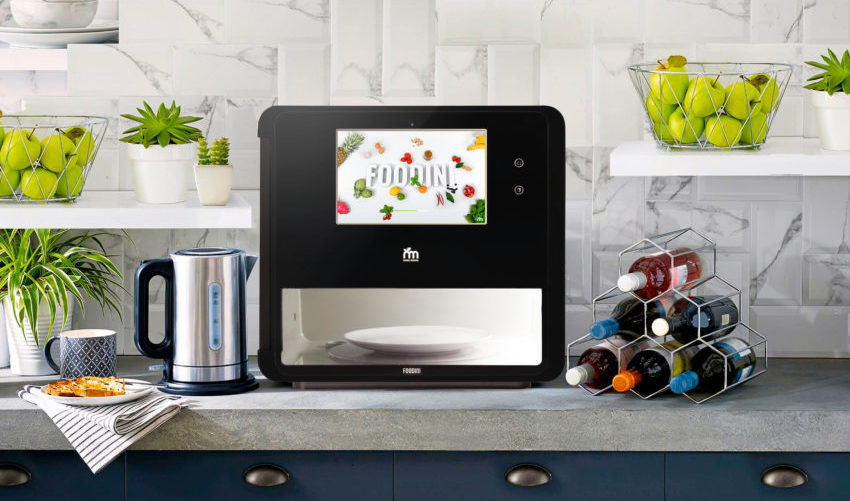 NewsMeet the Foodini, the Michelin-Star Approved Appliance Bringing 3D Printing to the KitchenBrothers, Javier and Sergio Torres, of the Michelin-starred restaurant, Cocina Hermanos Torres, have equipped their kitchen with the Foodini. The Foodini, is a 3D printing kitchen appliance developed by Natural Machines, a Barcelona-based food tech company. The device is the&hell
 SoftwareAll You Need to Know About nanoCAD, the Free Software From NanosoftWhile the various 3D printing processes work differently, they all start in the same way: first, a 3D digital model of the part must be produced. And this can be done in a number of different ways. Probably the most…
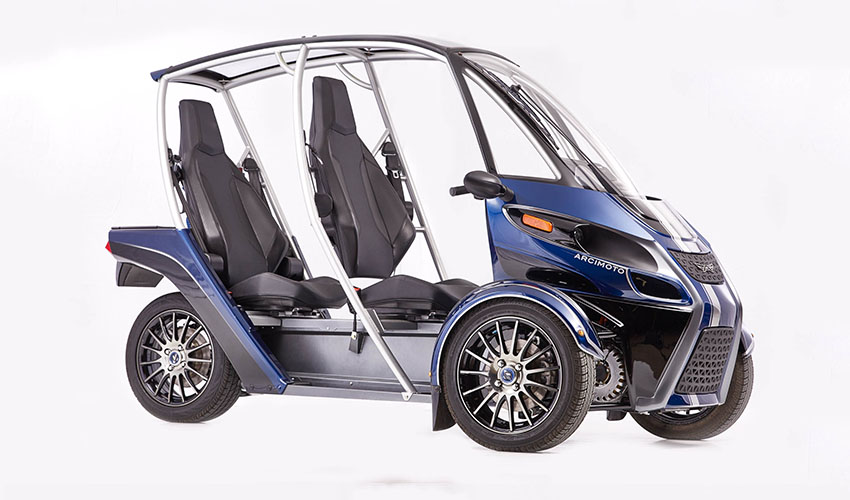 NewsBoosting performance of the Fun Utility Vehicle thanks to 3D printingIn industrial sectors such as automotive, additive manufacturing has an important role to play in designing optimized parts that improve vehicles’ performance. Thanks to design for additive manufacturing techniques, lightweight parts that don’t lose in strength can be fabricated.