Guides
Applications for 3D Printing at the Heart of the Railway Industry
Present in many fields, 3D printing is also making news in the railway industry. The technology offers many advantages to players in the sector, particularly in terms of speed and cost of production. Whether it’s to design armrests, seats or…
- 3 min read
- Guides
- Six more stories
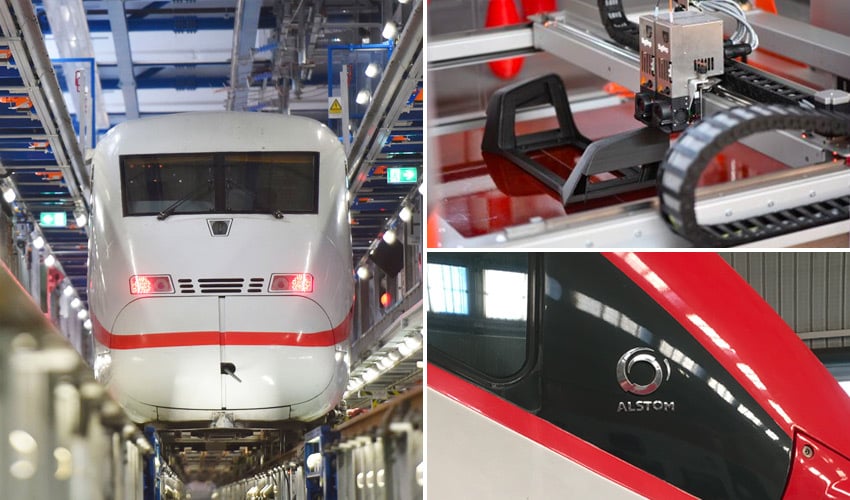
Present in many fields, 3D printing is also making news in the railway industry. The technology offers many advantages to players in the sector, particularly in terms of speed and cost of production. Whether it’s to design armrests, seats or other components for trains, additive manufacturing has proven to be a more than viable alternative on many occasions. In order to better understand the different uses of 3D printing in the railway sector, 3Dnatives proposes today to look back at some of the most outstanding projects in the industry.
Additive Manufacturing for Train Maintenance
You may have already heard of SNCF, a major player in the French railway industry. The public company has integrated additive manufacturing into its activities to design spare parts more quickly and thus avoid long downtimes. Bruno Langlois, Director of Equipment at SNCF, explains: “To ensure train availability, SNCF must be able to change a defective component the same day. However, since trains are made up of a large number of parts, we have to manage a large stock. With additive manufacturing, we could reduce it by creating parts as needed.” In 2021, SNCF announced the integration of 3YOURMIND software to identify and qualify spare parts that could be 3D printed. At the time, the solution identified 10.3% of 3D printed parts that could be made using AM out of more than 30,000 spare parts and reduced delivery times by 85%, statistics that have certainly increased since.

Alstom and 3D printing of spare parts
In 2016, Alstom presented its “Industry of the Future” program, in which additive manufacturing certainly plays a role. The group is indeed convinced of the added value of 3D technologies in the railway sector, especially when it comes to gaining flexibility and reducing downtime that can represent heavy financial losses. In 2021, the French company presented a concrete case study on tramways, more precisely for the Algerian Setif network. Thanks to its 3D printing center, Alstom was able to design drain plugs made of TPU 92A to prevent the headlights from breaking. A dozen parts were printed in 48 hours, reducing fixed costs by 80%. Usually, it takes 45 days to receive a replacement part.
More from the desk
Six other notes from the rest of the bench.
 NewsEco-Sustainable Housing Project, TECLA, has Finished ConstructionWASP and Mario Cucinella Architects have officially finished construction on their first eco-sustainable housing project, TECLA. 3D printed entirely from local raw earth, TECLA originated as a low carbon housing alternative responding to the climate crisis. We have previously cov
 NewsScan the World and its Open Source 3D models of Cultural ArtifactsFor several years, many artists have used 3D printing to create their works. American-Israeli artist, Neri Oxman, for example, is known internationally for her 3D printed designs. In the United States, England and South America, several artists have happily turned…
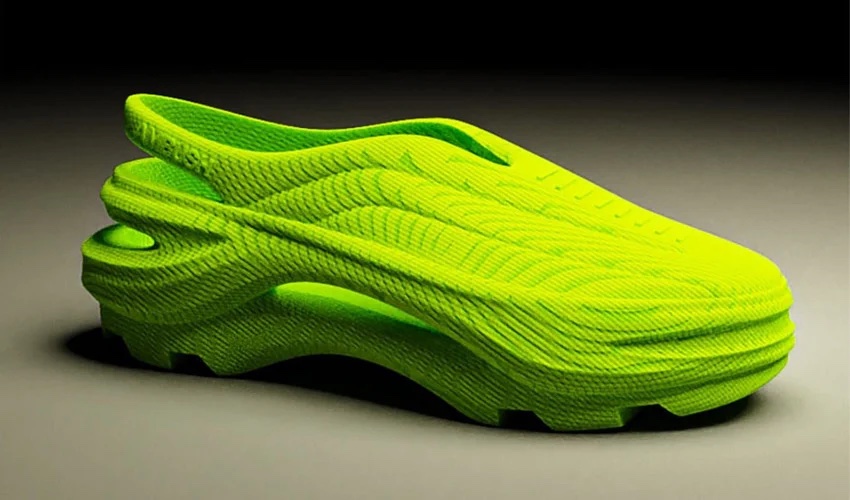 NewsAMBUSH 3D Prints a Shoe That is Wearable in the MetaverseShoe brand AMBUSH is launching a new project that is quite unique in the fashion world: Aapair of 3D printed shoes that can be worn both in the metaverse and in everyday life. The shoes which are called 100S were…
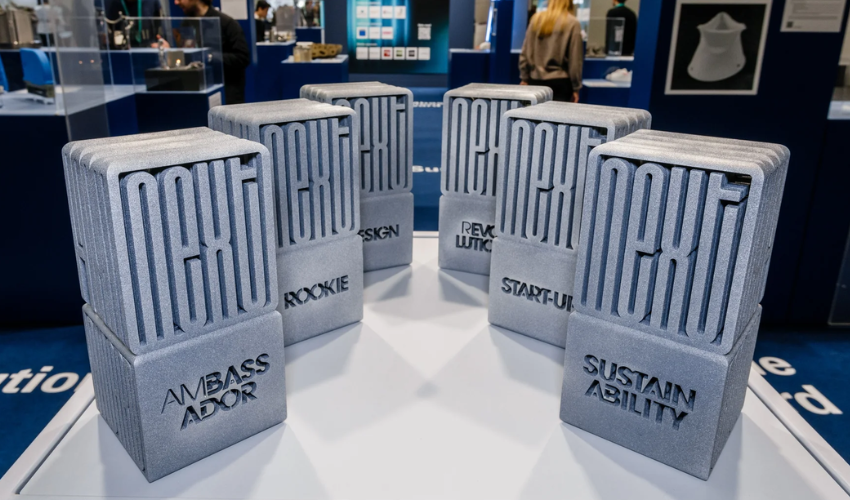 NewsFormnext 2025 Finalists Highlight Cutting-Edge 3D Printing InnovationsThe shortlist for the Formnext Awards 2025 has been unveiled, showcasing some of the most innovative applications and technologies in additive manufacturing. This year’s finalists reflect the industry’s growing emphasis on speed, sustainability, and education, with new 3D printin
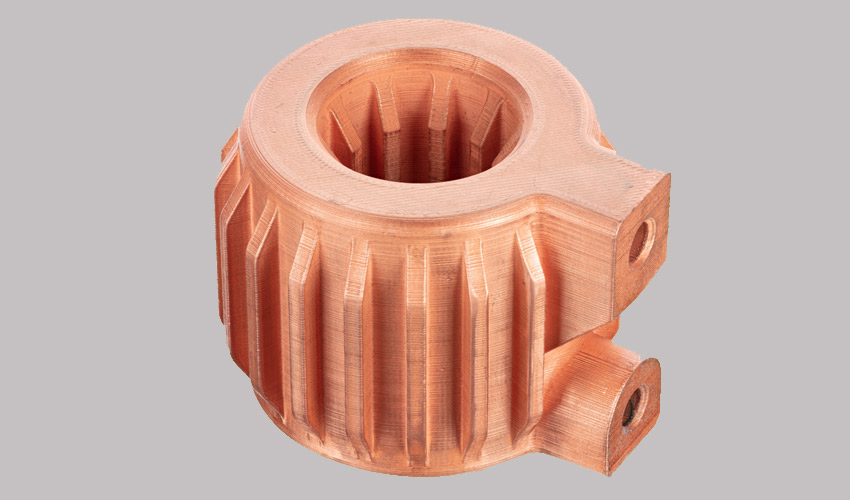 MaterialsDesktop Metal adds pure copper to its range of materialsWhile going public a few weeks ago, US manufacturer Desktop Metal announced the addition of pure copper to its range of materials compatible with its Studio System solution. Known for its excellent thermal and electrical conductivity, copper could enable the…
 MaterialsSoy, a new 3D printing material?At the University of Louisville (UofL) Conn Center for Renewable Energy Research and Department of Mechanical Engineering, a team of researchers claims to have transformed soybean shells into functional 3D printing material. Using waste from soy processing, they were able…