News
Revo Foods and Mycorena Have Teamed Up For Better 3D Printed Vegan Seafood
When it comes to our diets, meat has always been a critical part of meals in cultures worldwide. Indeed, the US has the second highest consumption of meat in the World. However, that has started to change, with per capita…
- 3 min read
- News
- Six more stories
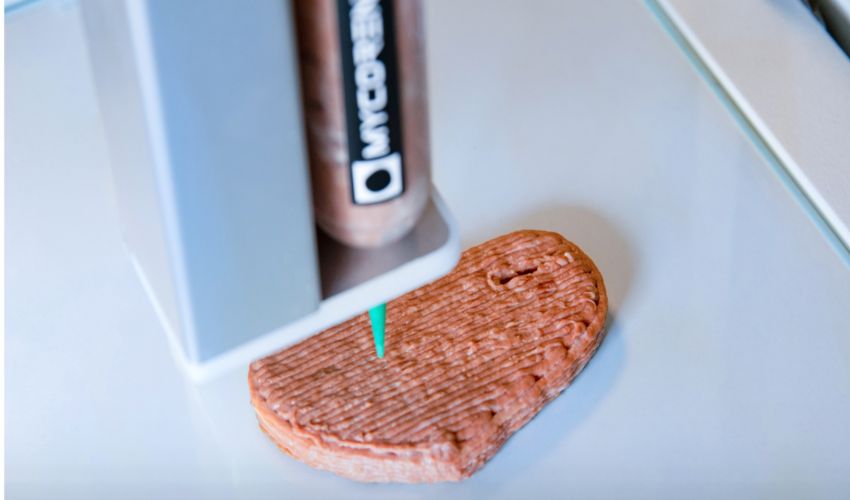
When it comes to our diets, meat has always been a critical part of meals in cultures worldwide. Indeed, the US has the second highest consumption of meat in the World. However, that has started to change, with per capita red meat and poultry consumption expected to decrease in 2022. Furthermore, the increased demand for meat and fish substitutes also shows that society’s consumption is undergoing a change. We have previously reported on Revo Foods, an Austrian company that has been using 3D printing to produce high-end plant-based seafood. In fact, it was the first to launch 3D-printed salmon and tuna. The fact that these products are now sold in more than 3,000 stores across Europe reinforces the need for meat substitutes. For this reason, Revo Foods has now entered into a partnership with Mycorena to benefit from their similar goals.
As a food tech company, Mycorena has always focused on sustainability, pursuing it since their founding in 2017. Their technology is based on mushroom biotechnology, which they use to produce vegan proteins for food – and they do it in a sustainable and resource-efficient way! The Swedish company is therefore looking to partner with Revo Foods to advance research into the use of mycoprotein within 3D food printing to provide new alternatives for seafood consumption.

Revo Foods started making vegan salmon and tuna using 3D printing (photo credits: Revo Foods)
Sustainable and Vegan Consumption of Meat and Fish Thanks to 3D Printing
In the course of the Mycorena and Revo Foods research project, not only seafood but also sliced meats are expected to benefit from the innovation. This is thanks to the meat-like characteristics that Mycoprotein has along with the possibility of different shapes. The result? A completely new product segment that is nevertheless close to meat and that can now be created using 3D printing.
More from the desk
Six other notes from the rest of the bench.
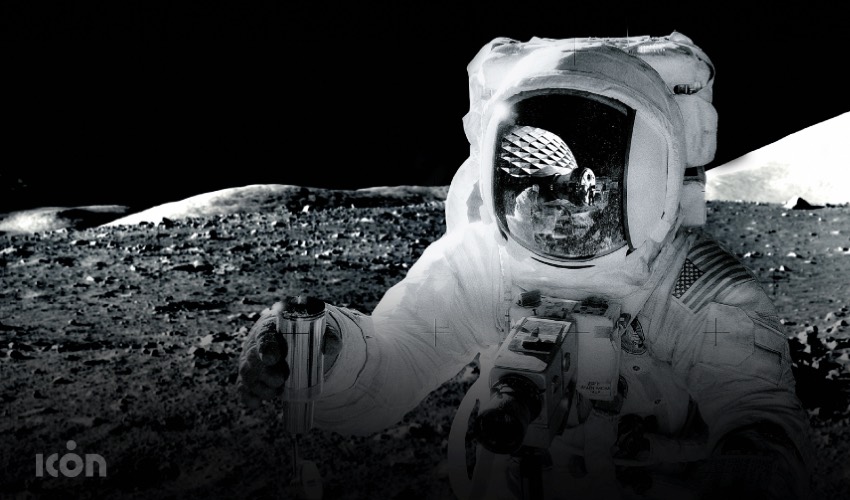 ApplicationsICON will 3D print infrastructure on the MoonSpace exploration has long been an unreachable dream for humankind. However, with technologies constantly advancing, science fiction is closer to becoming our new reality than ever. Today, ICON, an American startup specializing in advanced construction technologies, has announced
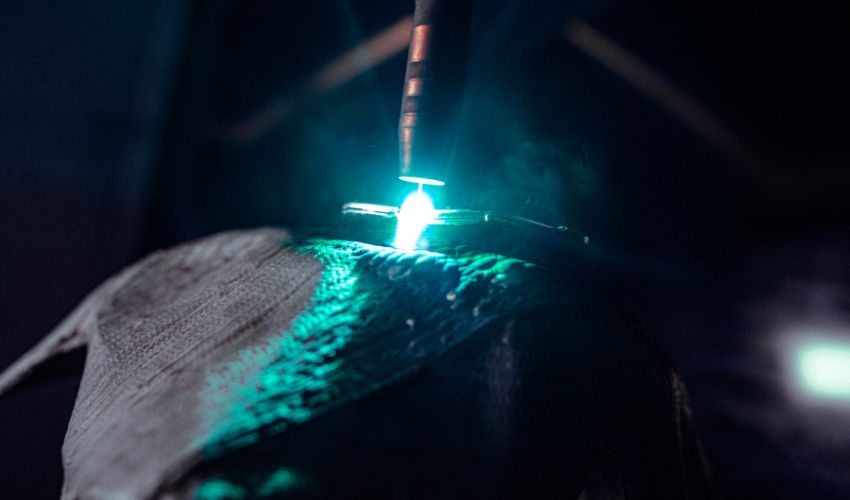 ApplicationsBMW Turns to WAAM to Make Vehicle ComponentsWhen we discuss key industries using additive manufacturing, car manufacturing is undoubtedly on that list. The automotive sector has been an early and adamant adopter of 3D printing technologies with many famous companies (including Ford, Ferrari, Volvo and Aston Martin,…
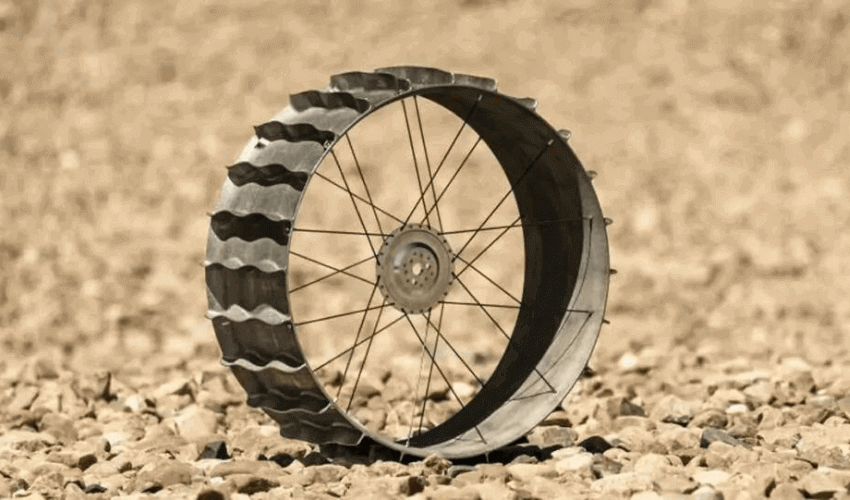 ApplicationsNASA and ORNL Have Used 3D Printing to Create Moon Rover Wheel PrototypeOak Ridge National Laboratory has succeeded in 3D printing a lunar rover wheel based on a NASA design. This has been possible thanks to a newly developed and specialized 3D printer which they used to create parts designed specifically for…
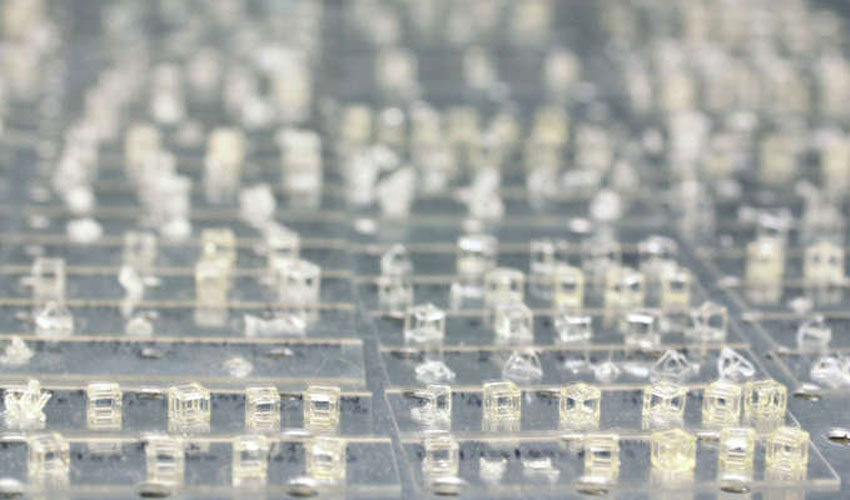 News3D Printing with Holograms to Speed Up the ProcessA study conducted by the Lawrence Livermore National Laboratory (LLNL) in collaboration with MIT, the University of Rochester and UC Berkley, demonstrates how the use of holograms in the 3D printing process can dramatically speed it up. 3D volumetric printing…
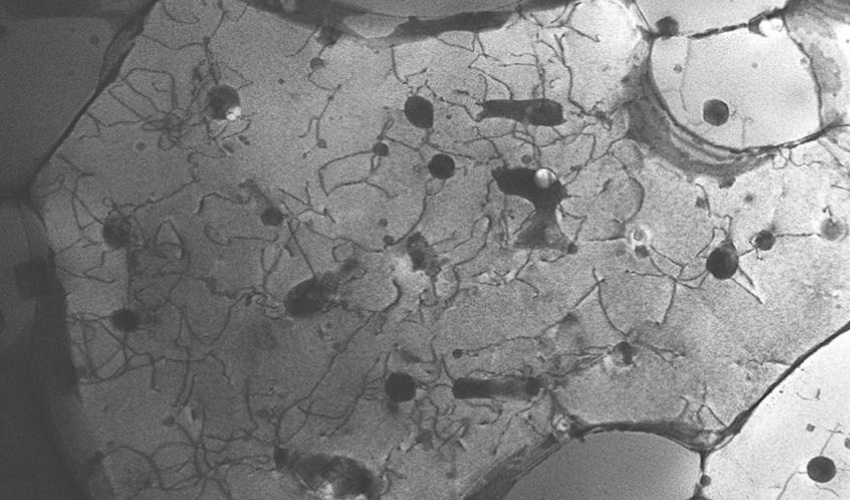 NewsAn Unusual Crystal Has Been Discovered That Strengthens 3D Printed MetalMetal 3D printing continues to advance, particularly in the reinforcement of parts for the aerospace and automotive industries. Recently, researchers highlighted a discovery in 3D-printed aluminum alloys: atomic structures called quasicrystals. These quasicrystals are unusual. Un
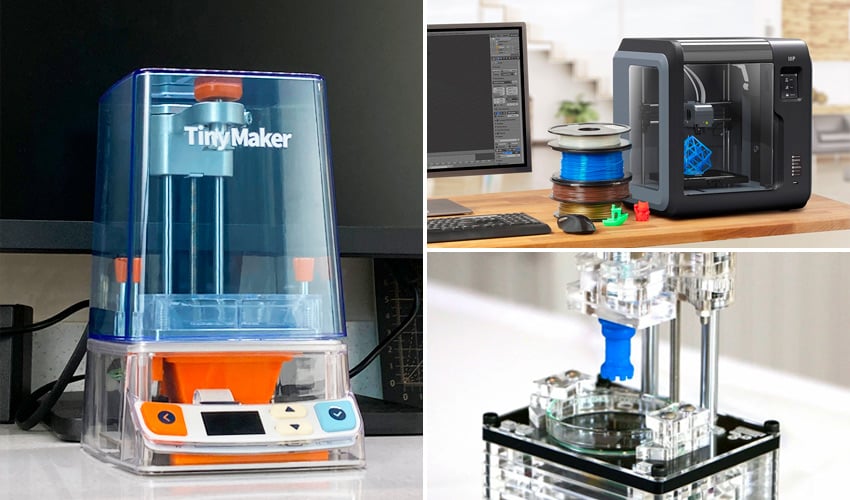 PrintersWhat Mini 3D Printers Are Available on the Market in 2023?3D printing is becoming increasingly popular. Not only is additive manufacturing on the rise at an industrial level, but many are also trying their hand at 3D printing at home. The problem with this is that some printers are very…