Applications
Greta, A New ESA Rocket Engine, Successfully Completes Testing
Additive manufacturing has established itself as a fundamental technology in rocket development, especially in the production of combustion chambers, as it allows for great freedom in terms of geometry. The most recent example of this application is the Greta engine,…
- 3 min read
- Applications
- Six more stories
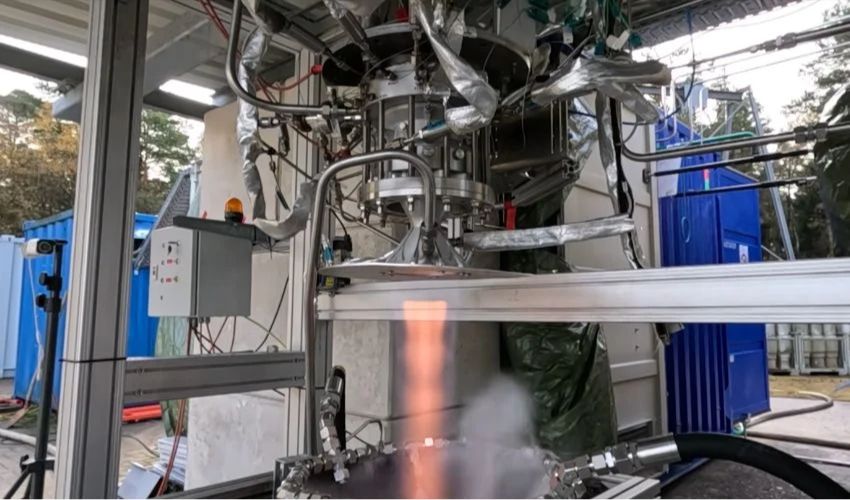
Additive manufacturing has established itself as a fundamental technology in rocket development, especially in the production of combustion chambers, as it allows for great freedom in terms of geometry. The most recent example of this application is the Greta engine, a joint development by the European Space Agency (ESA) and ArianeGroup.
After completing its first test campaign, Greta has demonstrated stable operation during shutdowns and multiple starts. Although manufacturing details are often kept confidential, the ESA has mentioned that “Greta’s 30 cm high combustion chamber was built up in layers by melting metal powders with a laser.” This points to laser powder bed fusion, a technique that ArianeGroup has used in the past.
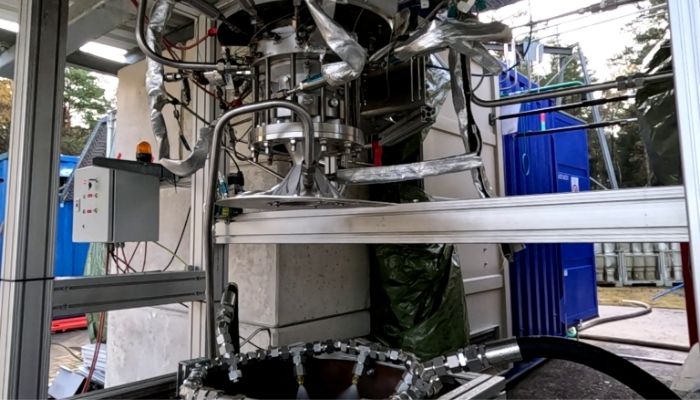
Greta is a 5 kN engine designed for upper stages such as Astris (Ariane 6) or future lunar landers.
What stands out most about Greta is the architecture of its combustion chamber. It incorporates complex channels built directly into the walls of the structure. These channels allow the coolant to circulate just a few millimeters from the combustion zone, where temperatures exceed 2000°C. Achieving this proximity is an engineering challenge that conventional metallurgy would struggle to solve.
More from the desk
Six other notes from the rest of the bench.
 PrintersMeet Photocentric’s JENI: A Serious Challenge to Injection Molding at Industrial VolumesJENI doesn’t look like a 3D printer. It’s a tower, lit from within by a deep red glow, modular sections stacked and racked like server infrastructure. Add a module and it grows. Reconfigure a node and it takes on a…
 ApplicationsAREVO creates the first 3D printed carbon fiber unibody bike frameAREVO is the Silicon Valley company that develops technology to enable direct digital additive manufacturing of ultra-strong, lightweight composite parts for end use applications in high volume. The company announced a partnership with bike manufacturer, Franco Bicycles. Together
 NewsWhat to Expect at RAPID + TCT 2022The biggest North American additive manufacturing event, RAPID + TCT will be taking place this year from May 17th-19th in Detroit, Michigan. This is the 30th year that the event will be held and is a joint project between two…
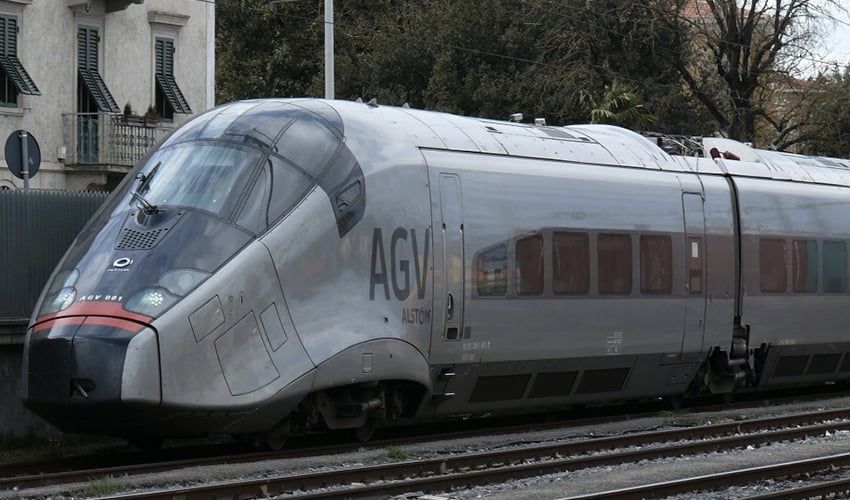 ApplicationsAlstom Turns to 3D Printing to Design Parts for High-Speed TrainsAlstom is a French multinational company that provides sustainable mobility solutions for high-speed trains. One of the company’s fleets, which had been in operation for 10 years, was beginning to deteriorate and was at risk of becoming a safety hazard.…
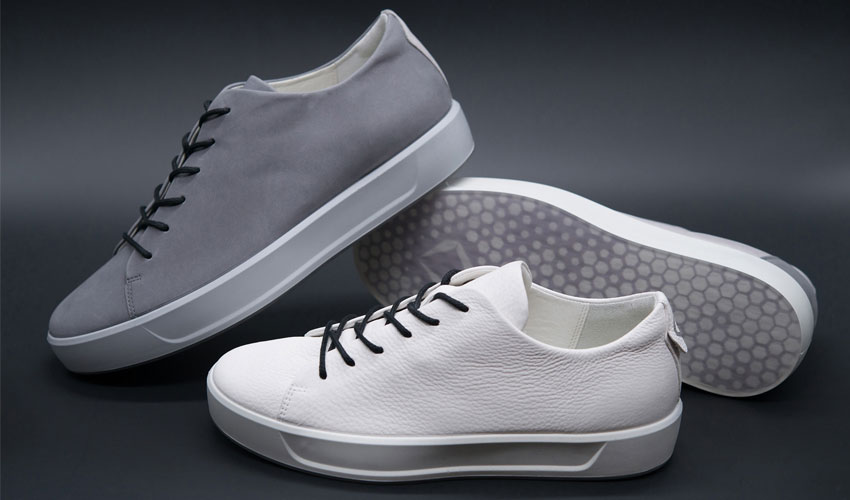 NewsECCO launches mass production of 3D shoesECCO, the Danish shoe manufacturer, announces the launch of a new pilot project, QUANT-U, which brings 3D scanning and 3D printing together to create custom 3D shoes. ECCO is expected to open its concept store in April in the Netherlands to…
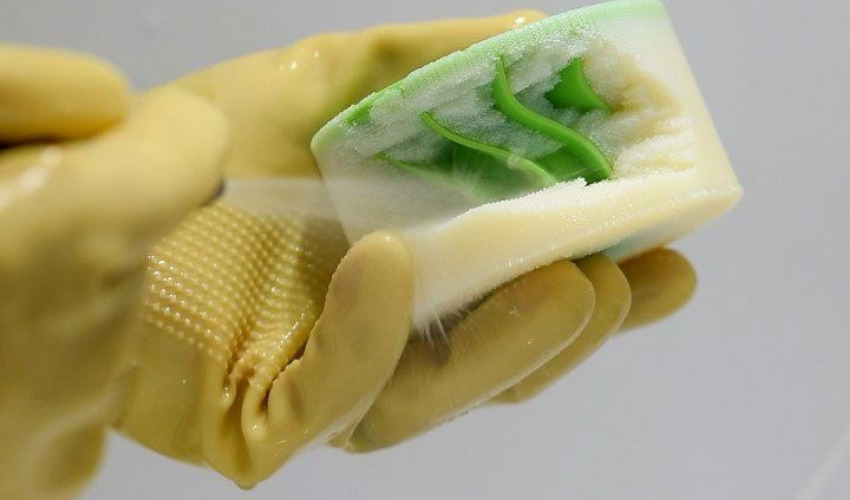 MaterialsArburg Inc. & Oryx Additive Join Forces In Post-Processing PartnershipPost-processing is an essential step in additive manufacturing. While it is the last stage in the manufacturing process, where parts receive their finishing touches such as smoothing and painting, it is also where many projects can bottle-neck and face various…