Applications
GM Invests $81 Million for Additive Build of Cadillac CELESTIQ
Just recently, General Motors attracted a lot of attention in connection with additive manufacturing. With the help of 3D printing, the American automaker was able to produce 60,000 parts for its Chevrolet Tahoe 2022 in just 5 weeks! Now, General…
- 3 min read
- Applications
- Six more stories
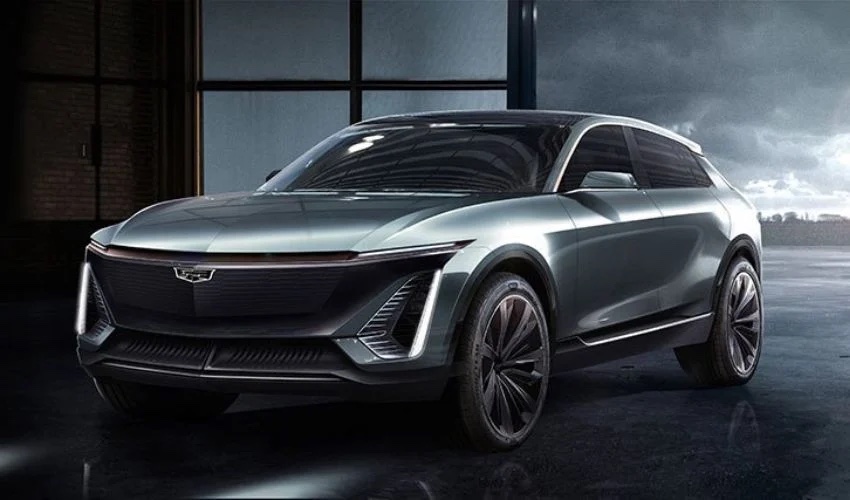
Just recently, General Motors attracted a lot of attention in connection with additive manufacturing. With the help of 3D printing, the American automaker was able to produce 60,000 parts for its Chevrolet Tahoe 2022 in just 5 weeks! Now, General Motors announced a major investment in its Global Technical Center in Michigan to advance the construction and improvement of its famous Cadillac CELESTIQ. The car company, which owns well-known brands such as Chevrolet, Buick, GMC, Cadillac, Baojun, and also Wuling, is now also focusing on making the cars fully electric.
The investment of more than $81 million in the Global Technical Center is made to ensure that the campus is ready for the construction of the Cadillac CELESTIQ, with work already being in full swing! General Motors’ Additive Industrialization Center, which opened in 2020 on the GM Global Technical Center campus, can be seen as the main reason for the successful implementation of additive manufacturing on the Cadillac CT4-V and CT5-V. Those were GM’s first vehicles to benefit significantly from additive manufacturing, as parts such as the shift lever emblem, transmission components and air conditioning ducts, among others, were 3D printed for the vehicles.

The Cadillac CELESTIQ will be built using additive manufacturing at the Global Technical Center in Michigan (photo credits: General Motors)
Using the Ultium Platform For The Construction
When it comes to the additive build of the Cadillac CELESTIQ, GM’s Ultium platform is particular useful as it is GM’s centerpiece when it comes to additive manufacturing. It includes a common electric vehicle architecture, powertrain components, battery cells, modules, and packs as well as Ultium drive units, electric motors, and integrated power electronics. The platform offers the automotive group the advantage of standardizing and streamlining machinery, tooling, and assembly processes, leading to greater flexibility and, at the same time, lower capital investment and greater efficiency when it comes to transforming further assembly plants.
More from the desk
Six other notes from the rest of the bench.
 News3D printed ceramic blocks for a natural ventilation systemBat el Hirsh is a young artist who used ceramic 3D printing to design her new architectural work called Earthenwind. The project consists of 3D printed ceramic blocks assembled together to form a kind of giant screen, protecting from the…
 NewsThe 3D Printers That Stood Out at TCT Asia 2025TCT Asia 2025 ended last week! And what a show it was. While there, we saw some incredible applications while also learning about the most important trends in additive manufacturing in China. But that was not all! We also had…
 NewsUNYQ and IKEA launch 3D printed product line for gamersGiven there are around 2 billion gamers in the world, it was time to create some 3D printed pieces just for them. This is the aim of the new partnership between IKEA and UNYQ – to explore how personalisation and…
 News3D Printed Bus Shelters are being Created in ChinaAdditive manufacturing and 3D printing are currently exploding with popularity and usage in a variety of sectors. Since last year, 3D printing has expanded into producing metal parts, creating whole houses within 24 hours, and carving its niche in manufacturing.…
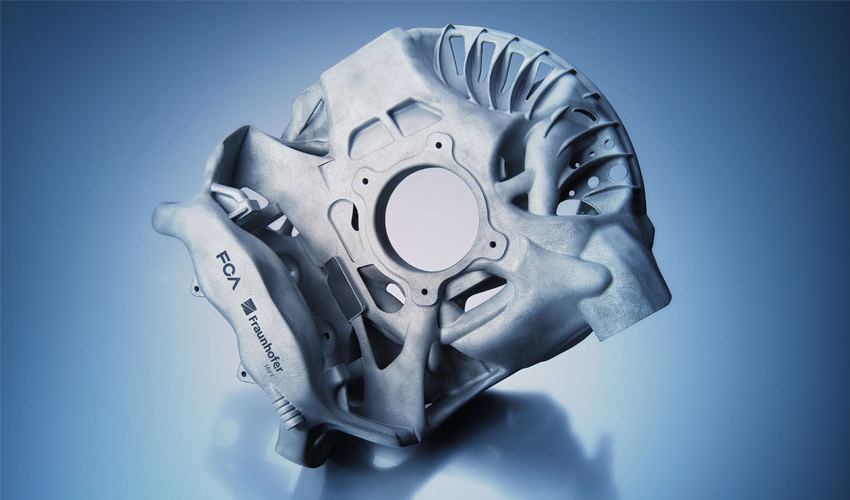 ApplicationsFiat Chrysler Automobiles uses AM to design suspension systemA team of engineers from Fiat Chrysler Automobiles (FCA) collaborated with researchers from Fraunhofer Institute to design a 3D printed wheel carrier with an integrated brake caliper for one of their sports cars. Still in the prototyping stage, this part,…
 NewsTop 5: Could Recycled Filament Be the Future of 3D Printing?It is once again Sunday and with the end of the weekend also comes our weekly top 5 3D printing videos of the week! To start you off, check out Enable 3D’s interview with Reflow to learn more about recycled…