Printers
Laser Scanner vs Structured Light Scanner: which should you choose?
In the 3D printing workflow, 3D scanners are very often an essential step to facilitate the modeling of an object. They make it possible to collect data on the shape and sometimes depending on the 3D scanner, the appearance (such…
- 3 min read
- Printers
- Six more stories
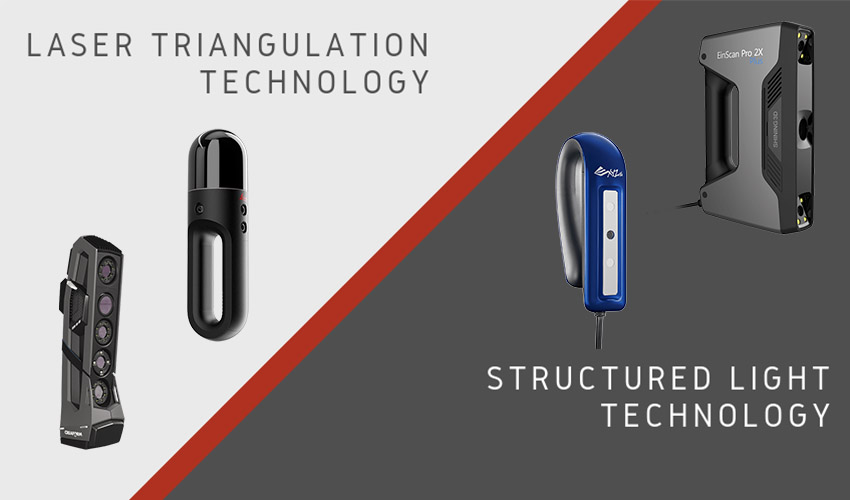
In the 3D printing workflow, 3D scanners are very often an essential step to facilitate the modeling of an object. They make it possible to collect data on the shape and sometimes depending on the 3D scanner, the appearance (such as colours). Therefore, 3D scanning enhances the design process, speeds up and reduces errors in data collection and also saves time and money.
3D scanning can be based on different technologies, each with their own benefits & limitations. In this article we explore the two main technologies used for 3D scanning for 3D printing, in other words, laser triangulation and structured light. So, how do laser scanners compare to structured light scanners? And most importantly, which one should you choose for your project?
Laser Scanners: technology, benefits and limitations
Laser scanners are based on trigonometric triangulation to accurately capture a 3D shape as millions of points. More precisely, they work by projecting a laser point or line onto an object and then capturing its reflection with sensors. Since the sensors are located at a known distance from the laser’s source, accurate point measurements can be made by calculating the reflection angle of the laser light. With the knowledge of the distance of the scanner from the object, the scanning hardware can map the surface of the object and thereby record a 3D scan.
More from the desk
Six other notes from the rest of the bench.
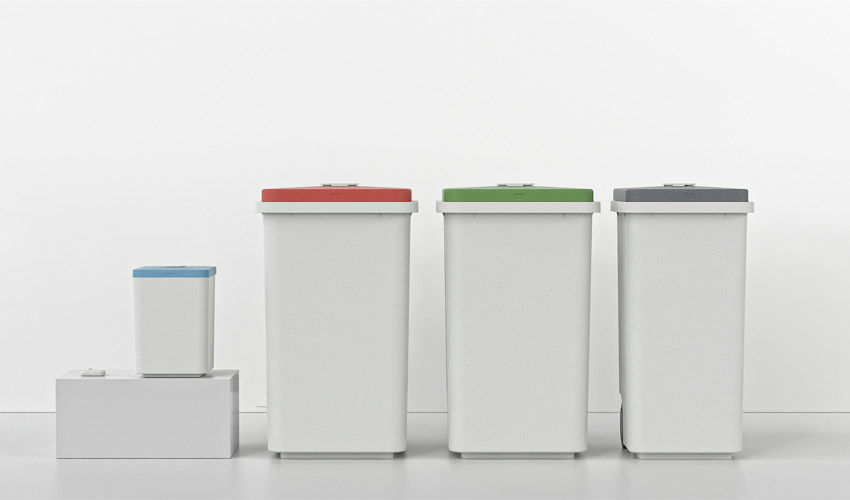 NewsWae, an intelligent 3D printed waste management systemDesigner Daniel Lloyd has imagined a new waste management system designed using additive manufacturing, more particularly stereolithography. Called Wae, it also integrates sensors and ca smart meter to inform users about their waste habits. The objective is to encourage them&hell
 NewsWhat do we know about the deal between the US Air Force and Essentium?Founded in 2013, Essentium provides industrial 3D printing solutions aiming to disrupt conventional manufacturing. Recently, the Texas-based company has announced that they signed a multi-year contract with the United States Air Force. The government agency has been interested in
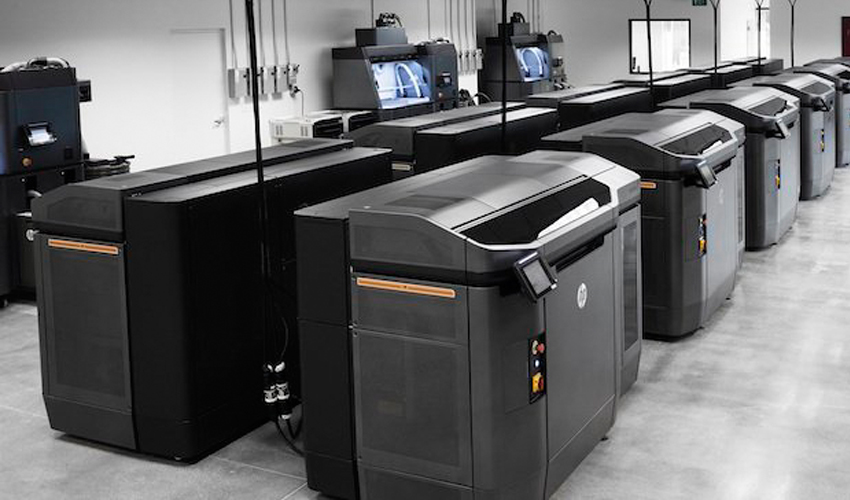 PrintersHP Announced New 3D Printer: Jet Fusion 3D 4210HP has expanded its additive manufacturing selection by announcing their new 3D printer – the HP Jet Fusion 3D 4210. This announcement also included the release of 3 new materials. The printer is designed for industrial-scale 3D production, and aims…
 NewsWhat are the ambitions of Marie Langer, the new CEO of EOS GmbH?Last October, Marie Langer was appointed CEO of the EOS GmbH Group, succeeding her father, Dr. Hans Langer, who founded the German company in 1989. The manufacturer of industrial additive manufacturing solutions quickly made a name for itself on the…
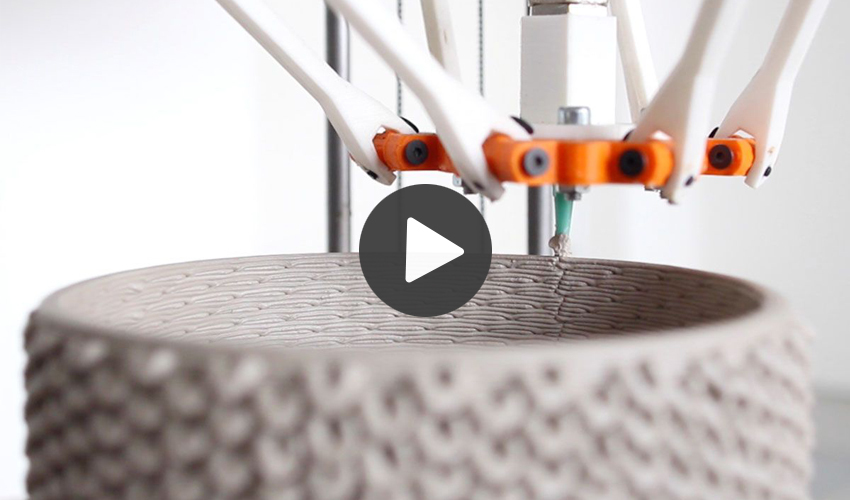 NewsTop 5 Videos: The opportunities of ceramic 3D printingThis week we found the top 5 videos about 3D printing and the way additive manufacturing is changing production. The technology has infiltrated many sectors, from medical to automotive – check our selection of the week to keep up with the innovations! If you enjoy these, you&hell
 ApplicationsHRE3D+, the second-generation of the world’s first 3D printed titanium wheelLast week Rapid + TCT 2019, one of the most important events in additive manufacturing, came to an end. The second-generation of the first 3D printed wheel made of titanium – the HRE3D+ on a 2019 Ford GT – was…