Applications
Formnext Provides a Stage for the Applications and Potential of AM in Aerospace
Like every year, Formnext 2024 was a snapshot of what is currently driving the AM industry and where trends will be heading. While last year’s focus was on automotive and sustainability, this year we saw an increased presence of 3D…
- 3 min read
- Applications
- Six more stories
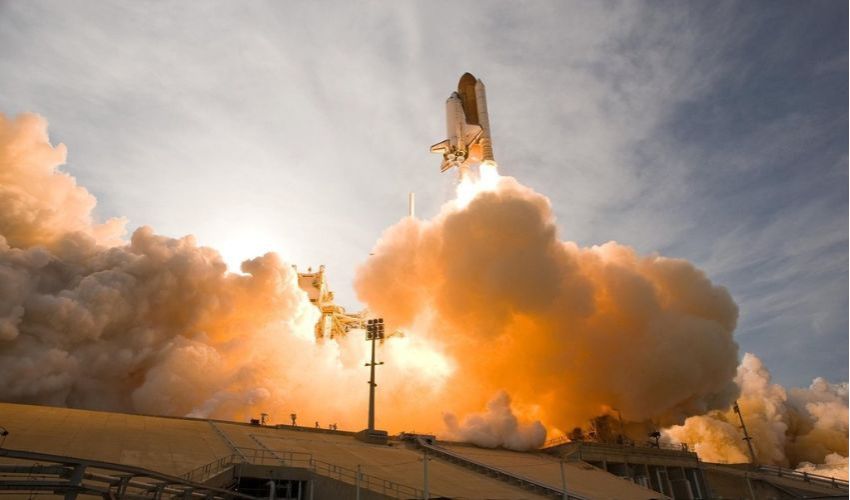
Like every year, Formnext 2024 was a snapshot of what is currently driving the AM industry and where trends will be heading. While last year’s focus was on automotive and sustainability, this year we saw an increased presence of 3D metal printing technologies and aerospace applications. This could be seen directly at the exhibitors’ stands through the use cases and innovative 3D printing systems presented. Additionally, this was evident in the numerous conferences and lectures dedicated to metal processing and aerospace. We have already highlighted the innovative metal applications at Formnext in a previous article, so in the following, we will discuss why AM is increasingly being used in aerospace, what challenges still exist and what solutions can leverage the potential of 3D printing in this field.
Additive manufacturing is primarily used in the aerospace industry for space vehicle components, including parts for rocket propulsion, combustion chambers, injector heads and pump systems. Part production in space, sometimes using space material, is another important area of the field. Examples include runways and building structures made from Martian or lunar regolith.

Photo credits: ICON
AM makes it possible to achieve intricate, complex designs and, in the case of rocket engines, to integrate cooling systems in a single production step. In many application examples, additively manufactured parts lead to increased performance. This is also because in some cases, customized materials with specific properties are used. The advantages mentioned apply not only to the components but also to in-space structures. Additive manufacturing is flexible and on demand. It also ensures high precision with low-to-medium energy consumption. The technology is valued for its material efficiency, as we learned in the presentation by Mohammad Azami from Concordia Aerospace Robotics Lab. Nevertheless, traditional processes such as casting and sintering of regolith concrete are still used to produce components with simple geometries thanks to their speed.
More from the desk
Six other notes from the rest of the bench.
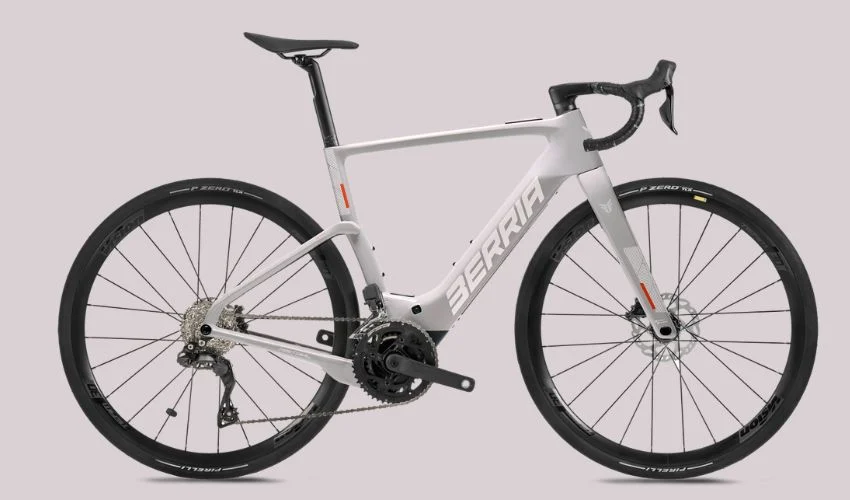 ApplicationsBerria Bike and Mausa 3D Unveil 3D-Printed E-Bike PrototypeThe use of additive manufacturing as a tool for developing and testing new products has become increasingly more popular within high-demand and well-established industrial sectors. Recently, much of this new testing has been used within the bicycle sector. More specifically,&hell
 MaterialsThe NSF Is Investing in ‘Revolutionary’ 3D Printing MaterialsIn terms of innovations in additive manufacturing, one area that is continuously being explored by not just companies but also government institutions is undoubtedly materials. Though the sector has come far in terms of what is available, there are still…
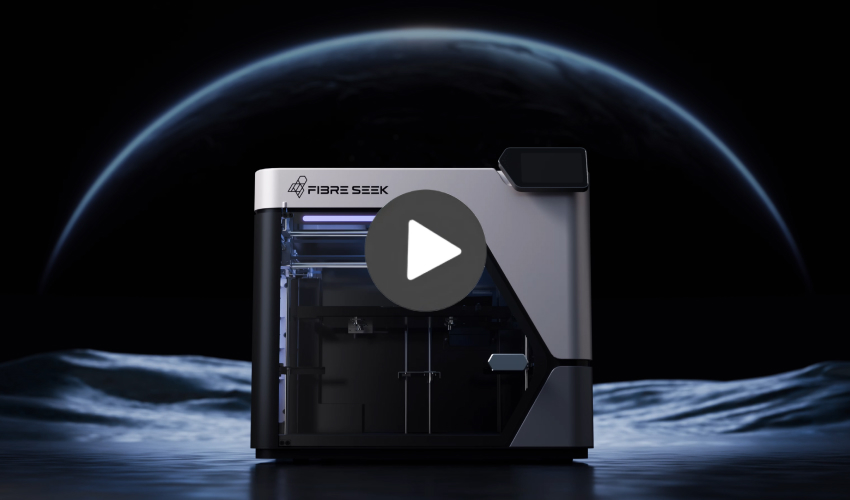 PrintersFibreSeek Launches Fibre Seeker 3: Bringing Aerospace-Grade Composites to the DesktopFibreSeek, an international 3D printing startup born from the core team behind Anisoprint, is aiming to make continuous fibre 3D printing accessible to a much wider audience. Known for pioneering composite extrusion systems used by organisations like NASA and Airbus,…
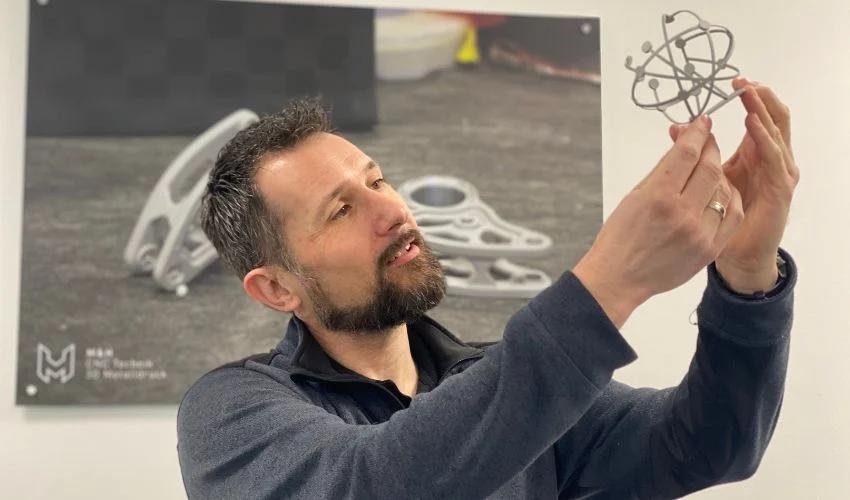 ApplicationsM&H to Supply 3D Printed Turbine Blades for US Power PlantsWith the Inflation Reduction Act (IRA), the USA sealed the increased expansion of renewable energies in 2022. Since then, the available funds have been used to expand green alternatives. Last year, for example, solar systems with a capacity of 33…
 NewsTop 5 Videos: India’s First 3D Printed BridgeWelcome to our compilation of this week’s most compelling 3D printing highlights. This week’s edition begins with an exciting showcase from IIT Hyderabad, unveiling India’s first 3D printed bridge. Next up, AI Waves Channel provides an in-depth look at how&helli
 NewsDigitally Woven Series Re-Recycles Plastic Into 3D Printed CreationsWhen art and design meet 3D printing, there is always a measure of excitement and anticipation to see where form meets function or where reality and vision collide. Indeed, the role of 3D printing within the design world has come far…