News
Digitally Woven Series Re-Recycles Plastic Into 3D Printed Creations
When art and design meet 3D printing, there is always a measure of excitement and anticipation to see where form meets function or where reality and vision collide. Indeed, the role of 3D printing within the design world has come far…
- 3 min read
- News
- Six more stories
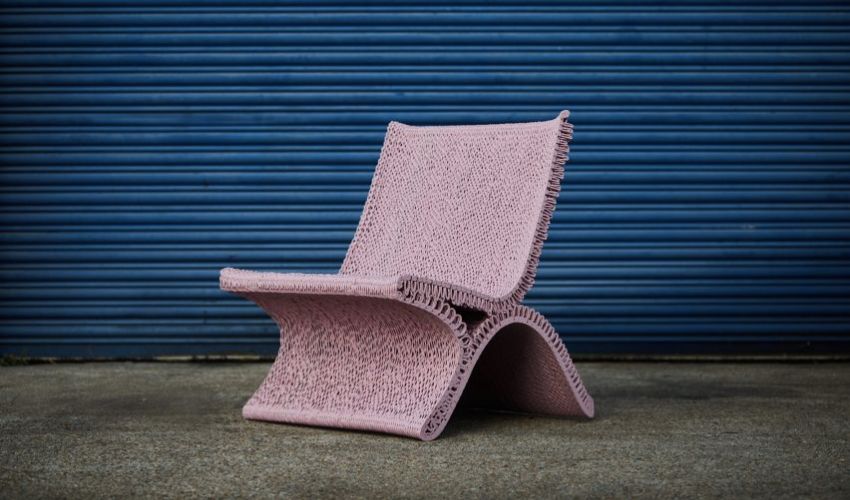
When art and design meet 3D printing, there is always a measure of excitement and anticipation to see where form meets function or where reality and vision collide. Indeed, the role of 3D printing within the design world has come far and made several bold statements along the way. Chiefly among them is the concept of sustainability, which has been incorporated into many projects aimed at zero waste or reusability. Two more names added to that list are British designer Gareth Neal and Dutch studio The New Raw, who partnered together for a collaboration series of 3D printed objects made out of recycled plastics.
The Digitally Woven series, as it is known, is remarkable for two main things. First, the series’ use of ‘thrice-recycled’ plastic as a material demonstrates the reusability and viability of recycled products. And second, the material is extruded in interlocking loops, rather than the standard stacked layers of filament seen in 3D printing. The reason for this may not be evident. But while using and re-using materials over and over is a noble concept, it can pose risks as the structure of the material can break down over time and during reclamation. Thankfully the creators were able to circumvent this risk thanks to their innovative design style. The loops are able to retain their strength because of their interconnected layout, and the thickness of the extruded material. In addition, this method helped lower the overall amount of material needed to complete the project.
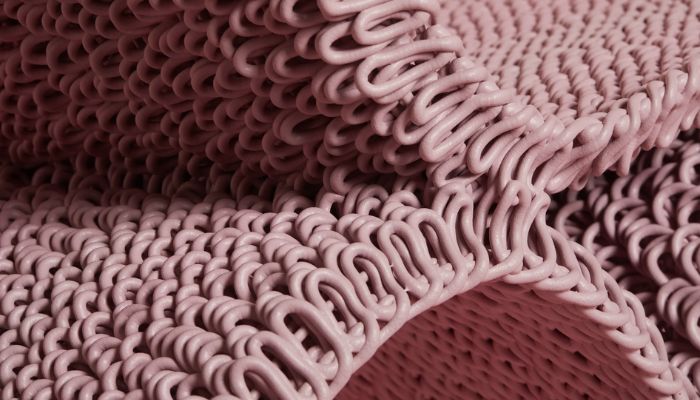
The fully 3D printed design resembles the loops on a knit or woven object.
This looping construction is not without its own reasoning either – as the collab team wanted to explore traditional crafting methods such as weaving and knitting through the medium of 3D printing. Because of the unique structure of the ‘woven’ print, they hoped that they would be able to ignore any small imperfections, as any irregularities would be supported and obscured by the overall structure of the loops. The printed object would therefore save time and reduce waste because any imperfections or misprints would continue to be supported by the strength of the surrounding structure.
More from the desk
Six other notes from the rest of the bench.
 PrintersSicnova: Creators of the JCR 3D PrintersThere are a variety of big players in the industrial 3D printer industry. These include 3D Systems, HP with their Multi Jet Fusion technology, and a number of others. However, is there an option in between desktop 3D printers, and…
 NewsBCN3D announces $3M in funding to boost its leadership in the IDEX 3D printing technologyThe last few months have been full of novelties for the Spanish company BCN3D. After the launch in 2018 of their new 3D printers, the Sigma R19 and the Sigmax R19, they are starting 2019 just as strong. In fact,…
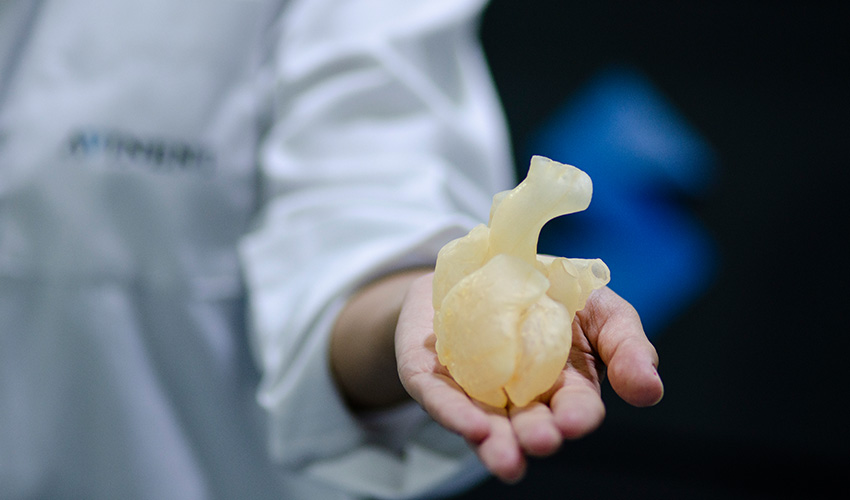 GuidesAVINENT: focusing on the future of tailor-made medical solutionsAVINENT is a Spanish company, specialised for 60 years in the automotive and aeronautics sectors. In 2006, it decided to open its medical division, dedicated to implant development; 6 years later, it integrated additive manufacturing into its design process in…
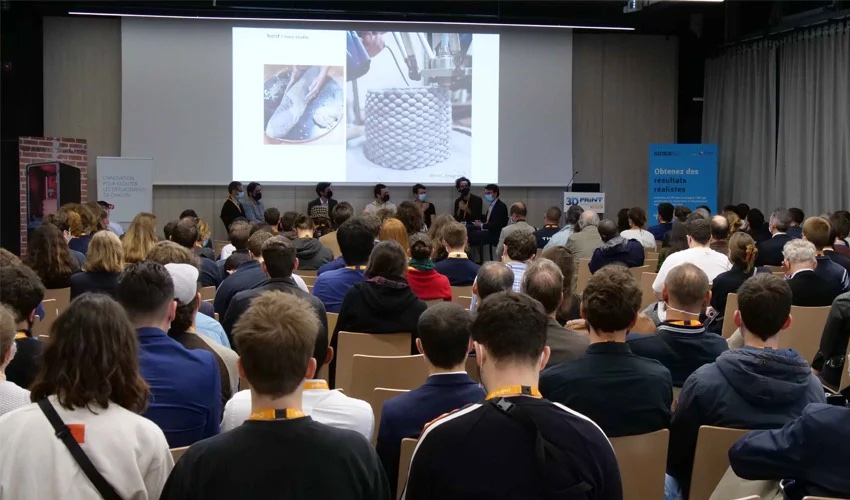 NewsWhat Can You Expect at 3D Print Paris 2022?Trade shows are still an excellent for additive manufacturing users to meet and learn about personalized solutions. 3D Print Paris, a key event for the 3D printing industry, is now back for its second edition, taking place on October 19th…
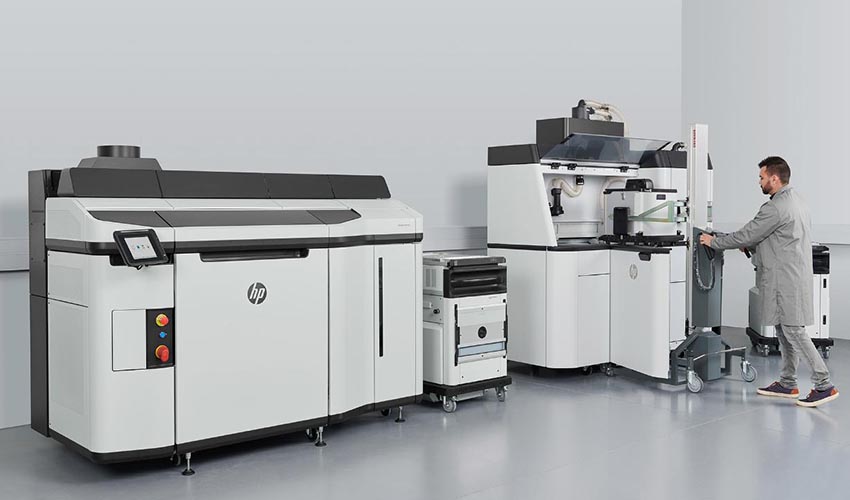 NewsHP reveals new Jet Fusion 5200 3D printing solution and strategic alliancesOne of the largest manufacturers of industrial solutions, HP, is releasing its new 3D printer: the HP Jet Fusion 5200. It unveiled its new AM solution at an event with Siemens today, thus expanding its portfolio with an additional machine.…
 NewsSPE Has Acquired 3Dnatives, Expanding its Expertise in the Additive Manufacturing SectorSociety of Plastics Engineers (SPE) has announced the acquisition of 3Dnatives, the media platform dedicated to additive manufacturing. Founded in 1942 and now operating in 84 countries with over 22,500 members, SPE unites plastics professionals worldwide and is dedicated to&hell