Applications
Desktop Health’s Dental Resin Flexcera Acquires FDA Clearance
Desktop Health, Desktop Metal’s new healthcare business, announced last week that it has received clearance from the U.S. Food and Drug Administration (FDA) for its proprietary resin designed for use in 3D printed dental prosthetics. Though the 3D printing dental…
- 3 min read
- Applications
- Six more stories
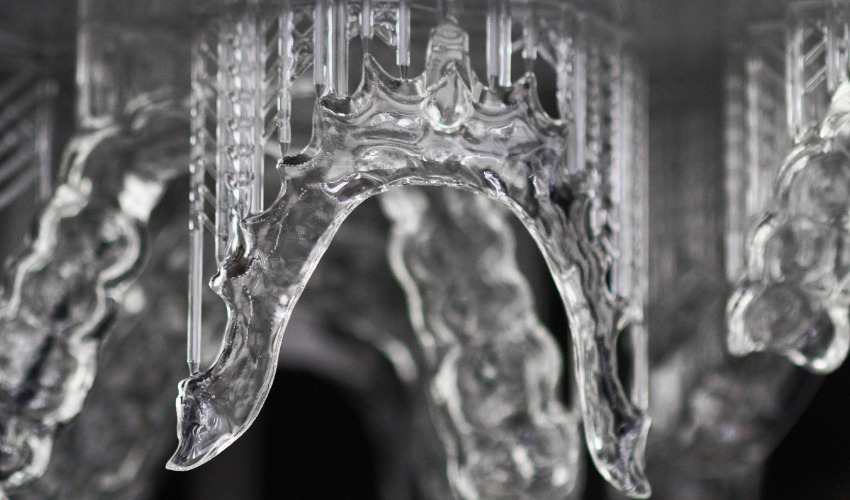
Desktop Health, Desktop Metal’s new healthcare business, announced last week that it has received clearance from the U.S. Food and Drug Administration (FDA) for its proprietary resin designed for use in 3D printed dental prosthetics. Though the 3D printing dental industry has been growing rapidly in recent years, notably in the realm of protheses and molds, it has not been without controversy. Just a few months ago, research from Northwestern University suggested that many supposedly biocomptaible resins, notably 3D printing resins, could be harmful to the female reproductive tract. By earning clearance for the Flexcera Smile and Flexcera Base, medical devices made using their proprietary dental resin, Desktop Health has shown that the ever-growing AM dental industry is still advancing despite setbacks.
Desktop Metal is known as the name suggests for its metal desktop 3D printing, with the stated goal of making metal and carbon 3D printing more accessible to manufacturers and engineers. But clearly metal and carbon fiber are not the only materials used by the company. At the beginning of the year they moved into the resin market with their acquisition of EnvisionTEC. Desktop Health itself was launched earlier this year as a business line focused on accelerating AM solutions in dental, orthodontic and otolaryngology applications.
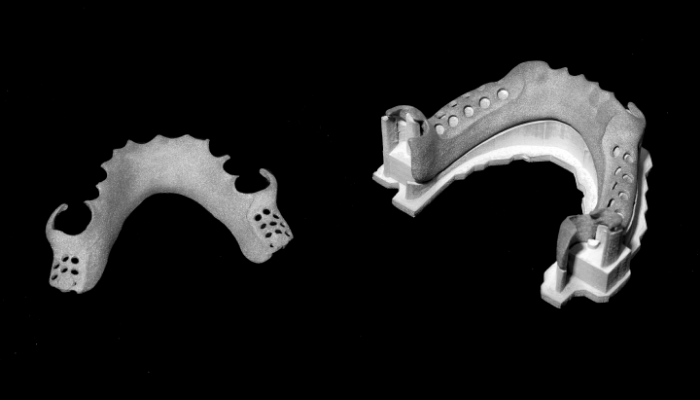
Desktop Health was launched to advance AM dental and orthodontic solutions. (Photo Credits: Desktop Health)
About Flexcera
The global denture market alone is estimated to reach $3.8 billion USD by 2027 in the U.S. and according to the American Association of Oral and Maxillofacial Surgeons, 60% of adults have lost at least one permanent tooth. It is perhaps no surprise to hear then that the US dental 3D printer market is also expected to reach $144 million in 2027, signifying that it is likely that 3D printing will be used more and more to keep up with the ever-increasing demand. Not only that, but 3D printing is uniquely suited to the task, its ability to create forms that are perfectly customizable to the patient at a lesser cost is ideal for prosthetics, especially those designed to fit in your mouth.
More from the desk
Six other notes from the rest of the bench.
 ApplicationsFrom Switzerland, the New Customized Cancer Therapy With a 3ntr 3D PrinterFDM 3D printing as the leader among new technologies is now used to investigate personalized treatments for breast and prostate cancer. 3D printing makes it possible to make fully personalized support and immobilization tools which are very important to ensure…
 SoftwareSlic3r: A Free and Open-Source Slicer to Prepare 3D ModelsAmong the many different 3D printing software available, slicers serve as an intermediary between a 3D model and the 3D printer. More precisely, the slicer cuts a 3D model into a succession of layers that will be 3D printed by…
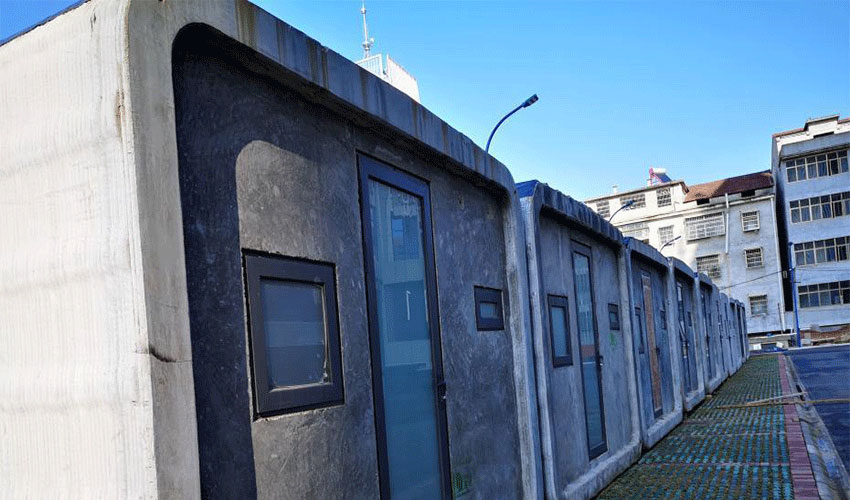 NewsWinsun 3D prints isolation wards to curb coronavirus outbreakIt’s hard these days to miss the coronavirus outbreak – the Covid-19 virus is affecting more and more people around the world. While the disease is spreading mainly in China, it is gradually arriving in Europe, particularly in Italy where…
 GuidesThe Most Impressive 3D-Printed Bridge ProjectsIn the construction industry, additive manufacturing is being widely used today. Whether it’s to build houses, schools, or even bridges, 3D technology offers great benefits. In terms of structures and walkways of urban architecture, 3D-printed bridge projects have multiplied in r
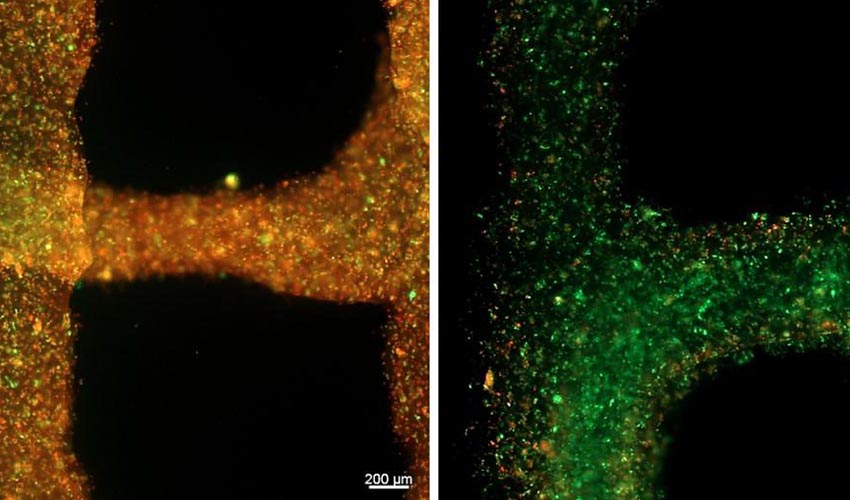 ApplicationsScientists develop oxygen-releasing bioink for bioprintingThe field of bioprinting has experienced multiple breakthroughs in recent years, one of which is the possibility to generate tissue structures using bioinks and 3D bioprinters. One of the main hurdles in this field is keeping these tissues alive. As…
 Guides#Working3D: Six Questions for an Industrial DesignerIn our #Working3D interview series, we tell you about exciting professions within the AM landscape. In this latest interview, we learned how exactly AM can be used in product design. To do this, we spoke to Alex Kimber, industrial designer…