Applications
Fleet Space Has Developed Fully 3D Printed Satellites
From building projects on the moon to 3D printed rocket parts, lately there have been many projects mixing additive manufacturing and space. And with good reason. For space companies, the technology is opening up a whole new world of possibilities.…
- 3 min read
- Applications
- Six more stories
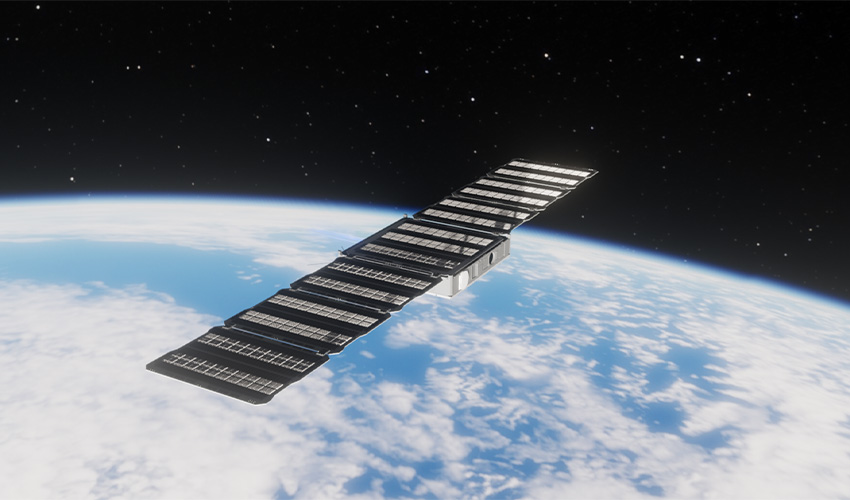
From building projects on the moon to 3D printed rocket parts, lately there have been many projects mixing additive manufacturing and space. And with good reason. For space companies, the technology is opening up a whole new world of possibilities. For example, both NASA and the European Space Agency (ESA) have recently embarked on new projects. ESA partnered with Incus, an Austrian company that specializes in 3D printing solutions based on photopolymerization, while Lockeed Martin and Makerbot have been working on a Lunar Rover Project for NASA. And projects of this type are becoming more and more numerous. Recently, Fleet Space, an Australian satellite developer, announced the future launch of a fully 3D printed satellites.
Called Alpha, this so-called constellation of satellites will sit alongside the Centauri constellation. Launched in about 12 months, the Alpha satellites will be the first to be fully 3D printed, according to the company. Flavia Tata Nardini, CEO and founder of Fleet Space, commented: “Alpha represents a major step forward and the first time a satellite has been created entirely through 3D-printing. By bringing together the creation, deployment and service of space technology this is a clear statement of our intent to become a global leader in space technology, and to support Australia’s ambition to lead this critical field.”
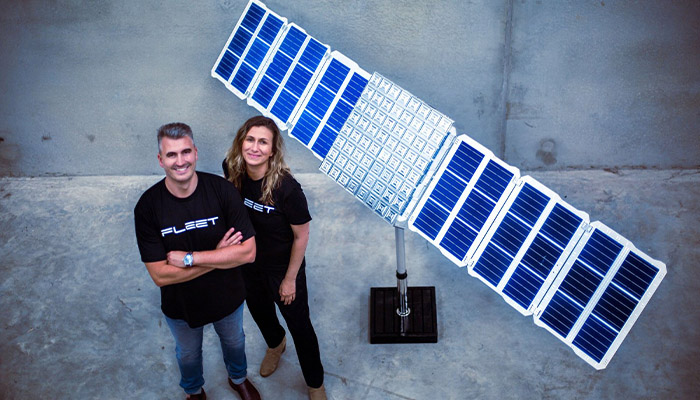
Photo Credits: Fleet Space
The composition of the satellites from Fleet Space
The 3D printed satellites will have up to 64 all-metal antennas. A notable difference from the Centauri line, whose satellites are equipped with only 4 antennas. With the many antennas, advanced digital beamforming technology will allow for a significant increase in customer IoT data throughput and thus serve a larger number of terminals. As for the 3D printing processes used to design the Alpha line, the company has remained tight-lipped.
More from the desk
Six other notes from the rest of the bench.
 NewsAMT Is Set to Launch New Technology and Bring the Digital Manufacturing Factory of the Future to Formnext 2022With Formnext just a week away, many companies are announcing the launch of new additive manufacturing solutions. The international event in Frankfurt is the ideal opportunity to showcase the latest developments in 3D printing technologies, whether for design, manufacturing, mate
 MaterialsRMIT Find New Method of Strengthening 3D Printed ConcreteScientists at Australia’s RMIT University found that 3D printing concrete in helicoidal, or spiral, patterns rather than standard parallel lines, resulted in increased structural integrity of the final piece. This, in turn facilitates the production of taller, more complex and&he
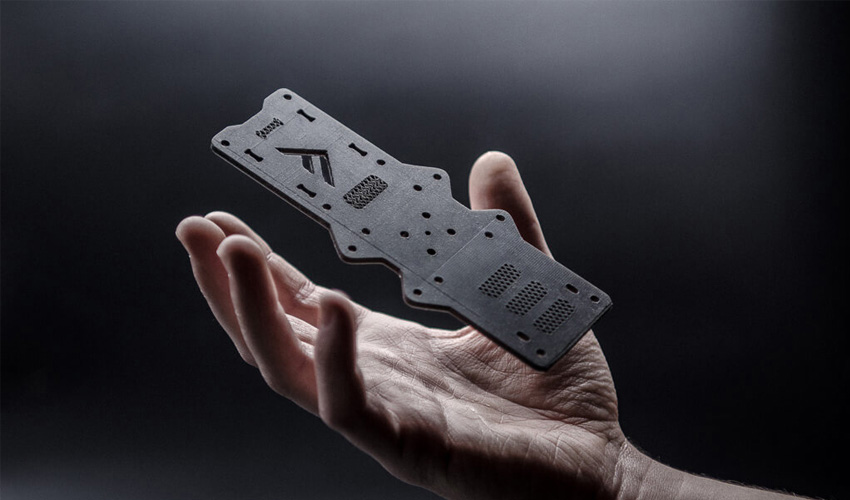 MaterialsFortify combining magnetics and DLP technology for 3D printingFortify is a young company that seeks to revolutionise the long delivery cycle and the often poor material quality of traditional manufacturing processes.The company was founded on research on composite 3D printing by Randall Erb and Joshua Martin at Northeastern…
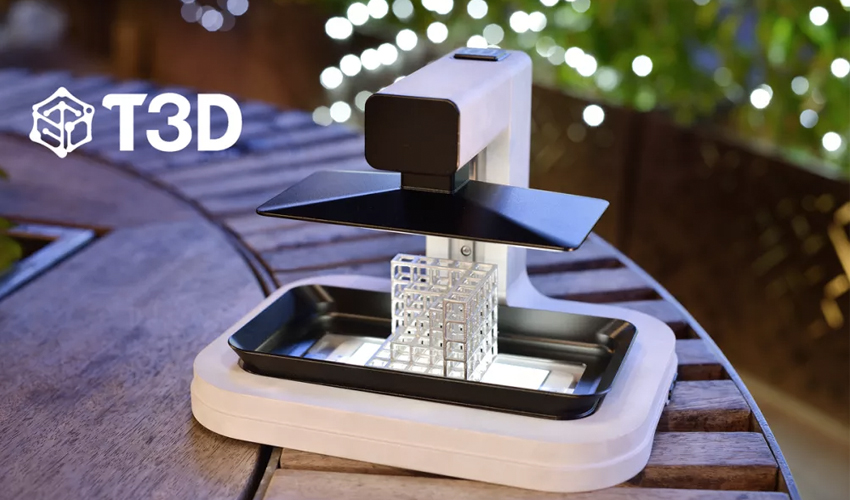 PrintersT3D, 3D printing direct from your mobile phoneThis revolutionary new T3D mini-printer can 3D print in multiple colours directly from your smartphone, and can even do it outside! Riding high on the coat-tails of an extremely successful Kickstarter campaign, T3D is a new Californian 3D-print company. This…
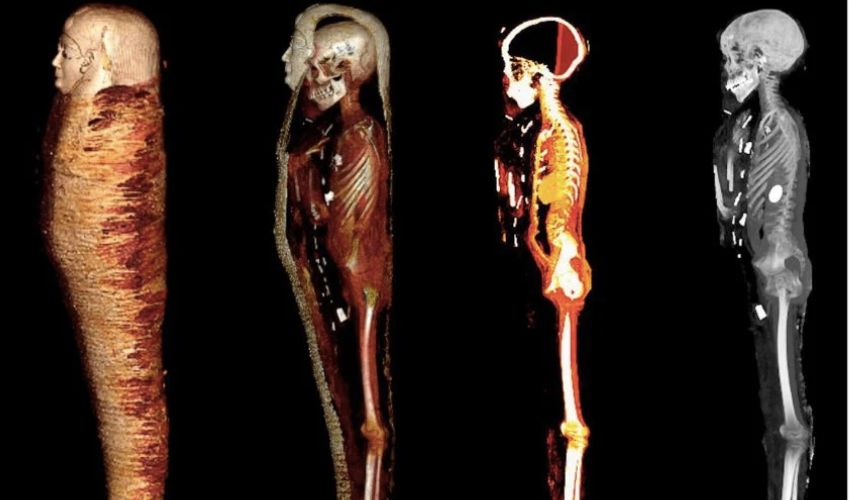 NewsMummy Research Used 3D Printing to Reveal Archaeological SecretsIn ancient Egypt, preparation of the dead was an important occasion, one which would allow the person to pass into the afterlife. Embalmers performed mummification of deceased people, protecting the body from the decay of the human or often animal…
 NewsTop 5 Videos: Dubai’s 3D Printed Martian City in the DesertThis week, discover the Mars Science City project in Dubai! Outside of Dubai, in the desert, the United Arab Emirates wants to build a 177,000 square meter city that will replicate living conditions on Mars. To build the houses, the…