Materials
Fishy Filaments and Fillamentum on Making Sustainable 3D Printing Materials Out of Fishing Nets
With the world continuously warming and experts expressing fear that we may not meet the goals outlined in the Paris Agreements, sustainability is the topic of the hour in almost every industry. Additive manufacturing is certainly no exception. Though 3D…
- 3 min read
- Materials
- Six more stories
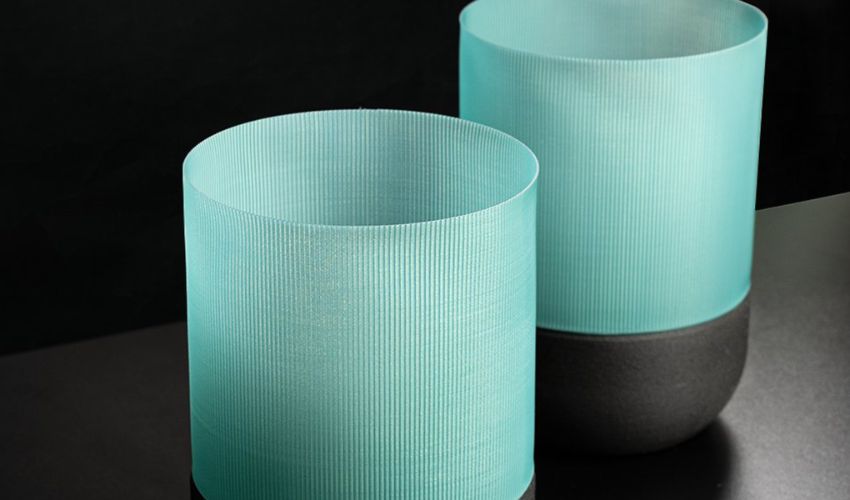
With the world continuously warming and experts expressing fear that we may not meet the goals outlined in the Paris Agreements, sustainability is the topic of the hour in almost every industry. Additive manufacturing is certainly no exception. Though 3D printing often is touted as more environmentally friendly, the amount of plastic that is used has often put that into question. For this reason, we are increasingly seeing a drive to develop more eco-friendly materials. This is the case with Cornish startup Fishy Filaments. They are attacking two environmental concerns at once by recycling polluting fishing nets into nylon filaments, working as well with leading material manufacturer Fillamentum which is also known for its sustainable efforts. We spoke with Ian Falconer, the founder of Fishy Filaments, and Josef Doleček, the CEO and founder of Fillamentum, to learn more about the companies, the importance of sustainable 3D printing materials and their collaboration.
3DN: Could you introduce yourself and your connection to 3D printing?
IF: My name is Ian Falconer. I’m the founder of Fishy Filaments. My academic background is in mining and mineral processing, so materials rather than 3D printing as a manufacturing technology. But I also have around a decade of experience as an engineer in global telecoms infrastructure. Fishy Filaments is synthesis of those two worlds; taking ideas and technologies from both and delivering a new look at providing high performance materials without a global supply chain.
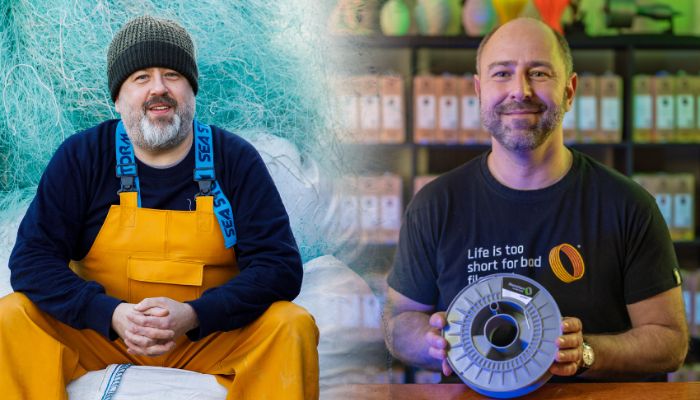
Ian Falconer (left) and Josef Doleček (right)
JD: My name is Josef Doleček, since 2008 I have been working in the field of plastics processing, first as an employee in a plastics company. In 2011, I founded a company for precision extrusion of plastics for the automotive industry. When I first became acquainted with 3D printing, I immediately felt that I could bring my experience in processing polymer materials to this field. And this is a goal I’ve been trying to fulfill since the very beginning of our 3D printing materials business through our 3D printing filament brand Fillamentum.
More from the desk
Six other notes from the rest of the bench.
 NewsCustomised and 3D Printed Insoles from ECCOThe Danish shoe manufacturer, ECCO showcased its customised shoes at Bon Marché Rive Gauche in Paris. For the first time in Europe, visitors will be able to test QUANT-U, a project in collaboration with Dassault Systèmes, which aims to create…
 GuidesHow Siemens Energy and GEFERTEC are Bringing WAAM to Serial Production: A WAAMathon PreviewOn June 11, 2026, the Estrel Hotel in Berlin will host the third edition of WAAMathon, the only conference dedicated exclusively to Wire Arc Additive Manufacturing. Organized by Berlin.Industrial.Group., the event brings together engineers and industry leaders to discuss the&hell
 NewsWohlers Report 2021: Weakened Growth for Additive ManufacturingAs is customary, Wohlers Associates has released its annual report on additive manufacturing trends, outlook and forecasts. The Wohlers Report 2021 this time highlights the impact of the health crisis on the 3D printing market: despite COVID-19, the industry grew…
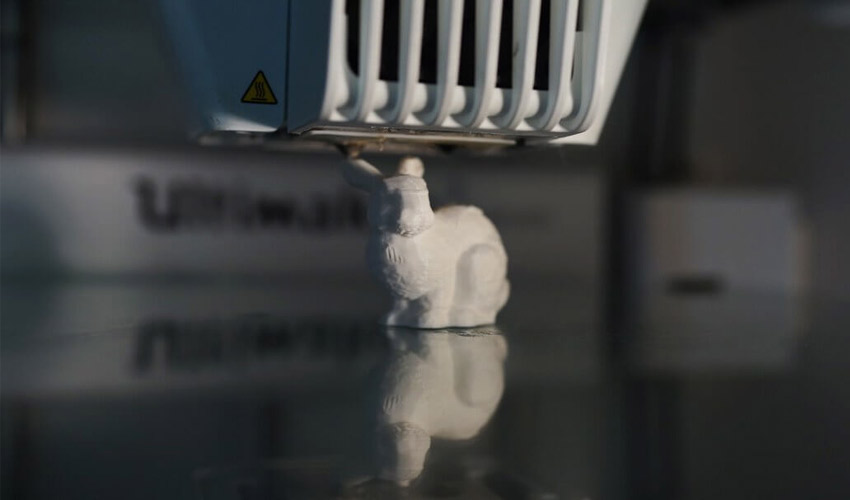 NewsResearchers integrate DNA instructions into a 3D part to facilitate its duplicationWhat if you could 3D print a DNA sequence? This is the idea behind this white rabbit, designed by researchers at ETH Zurich and an Israeli DNA storage company, Erlich Lab. They 3D printed a Stanford rabbit and incorporated all…
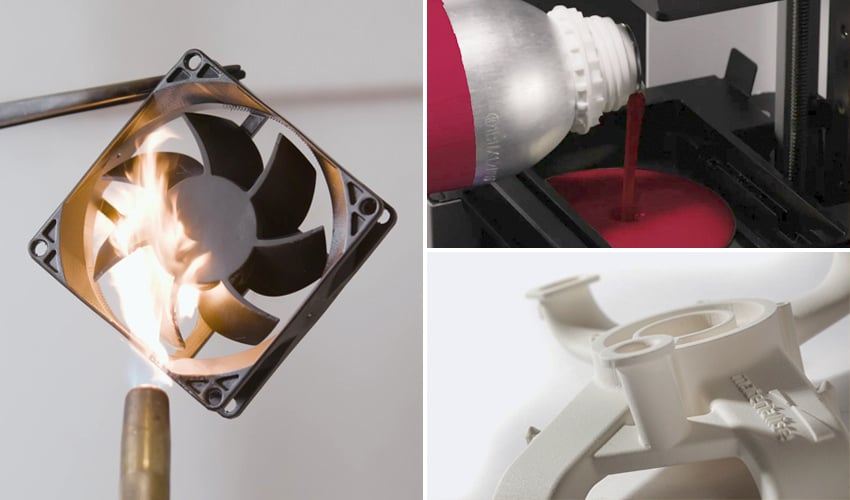 MaterialsWhat Flame-Retardant Materials Are Available for 3D Printing?As defined by Merriam-Webster, if a material is flame retardant, it is “made or treated so as to resist burning.” Or in simpler words, in contrast to flame resistance, where something can operate as normal within fire conditions, anything that is…
 NewsICON Raises $ 9 Million to Create Affordable 3D Printed HousesRemember the American startup based in Texas: ICON? Now the company has presented their project of 3D printed houses, created in few hours and at an unbeatable price. ICON has just announced that a fundraising effort raised $ 9 million. The money will help…