News
Researchers integrate DNA instructions into a 3D part to facilitate its duplication
What if you could 3D print a DNA sequence? This is the idea behind this white rabbit, designed by researchers at ETH Zurich and an Israeli DNA storage company, Erlich Lab. They 3D printed a Stanford rabbit and incorporated all…
- 3 min read
- News
- Six more stories
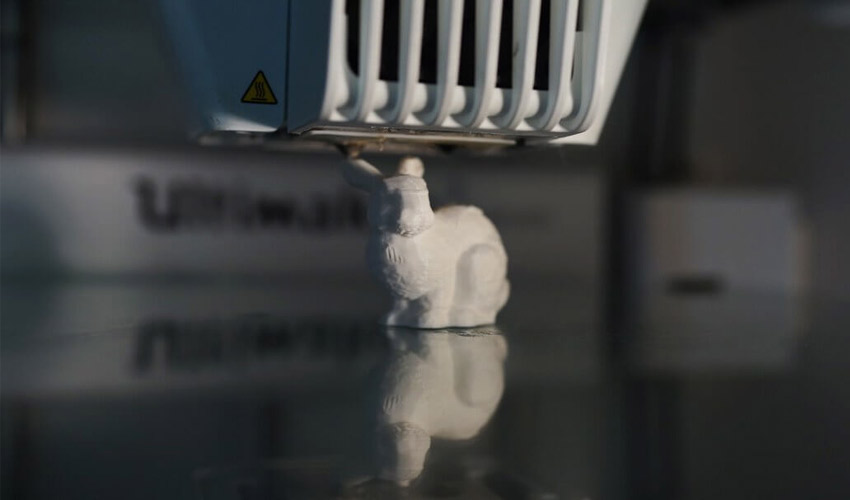
What if you could 3D print a DNA sequence? This is the idea behind this white rabbit, designed by researchers at ETH Zurich and an Israeli DNA storage company, Erlich Lab. They 3D printed a Stanford rabbit and incorporated all the instructions to reproduce it later: no more need for CAD files, STL, or other digital formats. The rabbit is said to contain about 45 kilobytes of information on how to print it, incorporated into tiny glass beads, which in turn would be integrated into the plastic used.
3D printing already had a significant impact on the storage of our objects, allowing us to create on demand, wherever we are, thanks to 3D files. The research work of this team goes further since all the data in the object itself. A particularly interesting advance over time: you might think a rabbit is not very interesting in itself, but imagine if we could do that with works of art, drugs, buildings, etc. The possibilities are wide; the teams add: “You can imagine a system where everything is labelled with small pieces of useful information.”
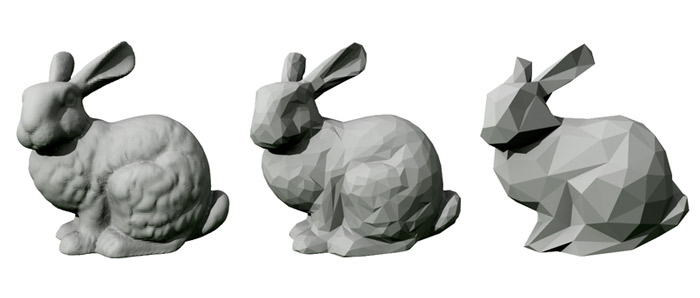
Integrate the rabbit’s DNA into the part
The researchers explain that they used the four nitrogenous bases of DNA (adenine (A), cytosine (C), thymine (T) and guanine (G)) to code the instructions necessary for 3D printing of the rabbit; DNA sequencing can then be synthesized. As the latter is extremely fragile – its deterioration is faster than we think – a solution had to be found to protect it. That is why the researchers locked him in microscopic glass beads that were themselves incorporated into the manufacturing plastic. The printing process could then begin on an Ultimaker machine.
More from the desk
Six other notes from the rest of the bench.
 GuidesYounext and 3D technologies in the service of sportThis summer’s 2018 World Cup ended up with France coming out victories. In relation we met the company Younext, which designs tailored protection devices for sports and more particularly for football. The Spanish company prints 3D customised solutions, whether masks,&hellip
 NewsFormula 1 releases new range of 3D printed perfumesFormula 1 is releasing a new collection of fragrances, the F1 Fragrances Engineered Collection, which includes a range of five luxury scents. Back in 2019, Formula 1 had launched its first line of fragrances using metal 3D printing technology, in…
 GuidesThe Most Surprising 3D Printing Applications at TCT Asia 2025TCT Asia 2025 has wrapped up, but there’s still plenty to talk about! As one of the biggest additive manufacturing events in Asia, this year’s edition showcased some of the industry’s most innovative 3D printing applications. Our team at 3Dnatives…
 News3D Printing Sweeps the OscarsIt is hardly a secret that 3D printing is becoming a key technology in the film and movie industry. From FDM to Material Jetting and everything in between, additive manufacturing technologies allow for the production of beautiful and intricate props…
 ApplicationsGE unveils world’s largest 3D printer for the aerospace industryThere has been nothing but exciting news buzzing over the last few weeks in the 3D printing industry, as companies unveil their latest announcements and projects at the different expos and shows taking place around the world. Following HP’s multiple…
 NewsDutch city set to construct a 3D printed bridge for cyclistsEindhoven University of Technology in the Netherlands has begun construction on an 8-meter, 3D printed bridge for cyclists in the town of Gemert. The Royal BAM Group, a construction company who was established in 1869, will be carrying out this latest…